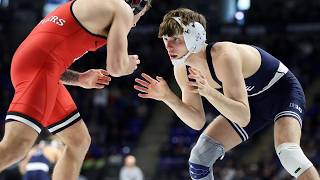
Foot Placement and Width
In the square stance, the feet should be positioned slightly wider than shoulder-width apart. Improper spacing—either too close or too far—compromises balance and mobility. This width provides optimal leverage for lateral movement and forward penetration.
Foot Angle and Knee Alignment
Both feet should be turned outward at approximately 45 degrees, with knees pointing in the same direction as the toes. This foot angle facilitates side-to-side movement while enabling effective push-off for penetration steps. Misaligned knees—turned inward or outward relative to the feet—create positional inefficiency.
Weight Distribution
Weight should be distributed evenly across the entire foot, avoiding concentration on the toes, ball of the foot, or heels. This balanced distribution maintains stability and readiness for rapid directional changes. Continuous knee flexion is essential throughout all standing wrestling exchanges.
Hip Position and Spinal Alignment
The hips should be elevated as if sitting in a chair, rather than protruding posteriorly, which causes excessive forward lean. Proper hip positioning naturally facilitates spinal curvature rather than a rigid straight-back posture. This configuration improves defensive posture and offensive positioning.
Arm Placement and Hand Position
Arms must remain close to the torso; allowing them to drift away creates vulnerability for leg attacks. Hand orientation—whether palms up, down, or neutral—is a matter of personal preference, though a neutral position between extremes offers versatility. This arm positioning serves as both defensive coverage and the foundation for offensive techniques.
Hands Inside the Feet Principle
Both hands should be positioned inside the perimeter of the feet during stance or motion. This spatial relationship simultaneously protects the legs from attacks and positions the wrestler to execute offensive strikes or takedowns. This principle applies equally to square and staggered stance variations.
Head Position and Vision
The head should be held upright rather than lowered, allowing the wrestler to maintain visual contact across the opponent's body. Proper head position enables situational awareness and reaction capability. Young wrestlers often default to lowering the head, a habit that reduces defensive effectiveness.
Square Stance Position
Key Takeaways
- •Foot Placement and Width
- •Foot Angle and Knee Alignment
- •Weight Distribution
- •Hip Position and Spinal Alignment
When you assume the square stance position your feet should remain a little more than shoulder width apart. Also turn your feet out to the side at a 45 degree angle. this will allow you to move side to side and also push off with a *penetration step. Weight should be distributed throughout the entire foot. Not too much on the toes ,balls of feet or back ofd the heels. Always have your knees flexed when assuming the stance position. Knees should be in the same position as the toes. Not too far in or out. Turn your hips up like your sitting in a chair. Back curled as opposed to a straight back.Do not lean over and poke out your butt. Where you place your arms is very important because it is where your defense and your offense stem from. Keep arms in close to the sides of your body. Make sure your hands are positioned inside your feet. This will help in defending an attack. By keeping arms away from body you give the opposition a chance to shoot in at your legs. Hand position is a personal preference. Head should be up in stance position.
Frequently Asked Questions
What does this video teach about square stance?
This video covers foot placement and width, foot angle and knee alignment, weight distribution. It provides detailed instruction from Adams Athletics Training.
How long does it take to learn square stance?
The basic mechanics can be understood in a single session, but developing reliable execution requires consistent drilling over weeks of practice. This 7-part breakdown helps structure your training by isolating each phase of the technique.
What are the key details for finishing square stance?
Both hands should be positioned inside the perimeter of the feet during stance or motion. This spatial relationship simultaneously protects the legs from attacks and positions the wrestler to execute offensive strikes or takedowns. This principle applies equally to square and staggered stance variations.