Introduction to Marcus Blase's Stance
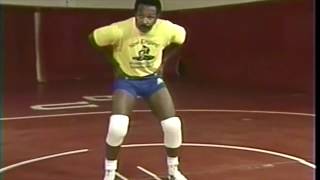
Marcus Blase is noted for maintaining one of the most consistent and solid stances in NCAA wrestling, with minimal deviation from his foundational position. Rather than identifying faults, an analysis of his stance reveals the fundamental principles that contribute to his effectiveness.
Low Position and Hand Placement
A wrestler should maintain sufficient depth in their stance to touch the mat with their hands without lowering their knees further. This low positioning enables rapid hand contact for blocking shots while preserving balance and preventing the arms from becoming vulnerable targets.
Head Position and Neck Development
The head should be positioned low but with eyes forward, similar to pointing the hairline toward the opponent's face. This posture resists snap downs, builds neck strength, and allows the head to serve as a first line of defense against shot attempts without compromising vision or mobility.
Advantages of Two-Foot Positioning
Remaining on both feet throughout the match is mathematically more effective than dropping to a knee, as it preserves offensive and defensive mobility. While knee wrestling may provide defensive utility, the reduction in mobility generally outweighs these advantages in competitive effectiveness.
Intentional Footwork and Patterning
Wrestlers should execute deliberate steps rather than repetitive stutter-step patterns, which can be anticipated and exploited by opponents. Predictable footwork allows astute opponents to time shot placements based on weight distribution patterns.
Elbow Positioning and Hand-Fighting Control
Keeping the elbows in toward the body increases the difficulty for opponents to achieve underhooks and facilitates hand-fighting control. This positioning allows the wrestler to maintain inside control and dictate tie-up engagement without excessive reaching.
Stance Consistency During Shot Execution
Wrestlers should maintain their foundational stance while shooting rather than overextending or diving to reach legs. The ability to reach a leg while preserving knee height and posture indicates that proper hand-fighting and positioning has created a legitimate shot opportunity.
Conservative Tie-Up Approach
Wrestlers should avoid lunging or reaching excessively when initiating tie-ups, as this creates vulnerabilities to opponent counters such as pop-ups or underneath doubles. Conservative approach and connection without overcommitment reduces exposure to offensive responses.
Mechanical Principles and Individual Variation
While adherence to these stance principles correlates with competitive success, individual variation exists among elite wrestlers. The closer a wrestler maintains these mechanical foundations, the fewer positional problems typically arise from postural breakdown.
The Secrets to a Great Wrestling Stance
Key Takeaways
- •Introduction to Marcus Blase's Stance
- •Low Position and Hand Placement
- •Head Position and Neck Development
- •Advantages of Two-Foot Positioning
I got a superchat asking me to detail Marcus Blaze's stance, which leads me to the question: What does it mean to be in a good stance? In this video I go through what I think it means to maintain a good stance, some useful tips, using Marcus Blaze as an example who I think has the most solid, consistent stance in the NCAA. A bit of a different video from me, but I thought I'd give it a shot. Let me know what you think. 0:00 Intro 0:46 General Stance Advice 0:53 A Key Detail 1:21 Head Position 2:08 Knee On The Mat? 2:33 Tie-Ups 2:47 Stepping With Purpose 3:19 Common Issue With Elbow Leaning 3:49 Elbow Positioning 4:05 Stance In Referee's Position 4:16 Don't Overextend Yourself 4:53 Approaching the Hand Fight 5:06 Outro #wrestling #ncaa #folkstyle
Related Techniques
Frequently Asked Questions
What does this video teach about staggered wrestling stance?
This video covers introduction to marcus blase's stance, low position and hand placement, head position and neck development. It provides detailed instruction from Seth Ciasulli.
How long does it take to learn staggered wrestling stance?
The basic mechanics can be understood in a single session, but developing reliable execution requires consistent drilling over weeks of practice. This 9-part breakdown helps structure your training by isolating each phase of the technique.
What are the key details for finishing staggered wrestling stance?
Wrestlers should avoid lunging or reaching excessively when initiating tie-ups, as this creates vulnerabilities to opponent counters such as pop-ups or underneath doubles. Conservative approach and connection without overcommitment reduces exposure to offensive responses.