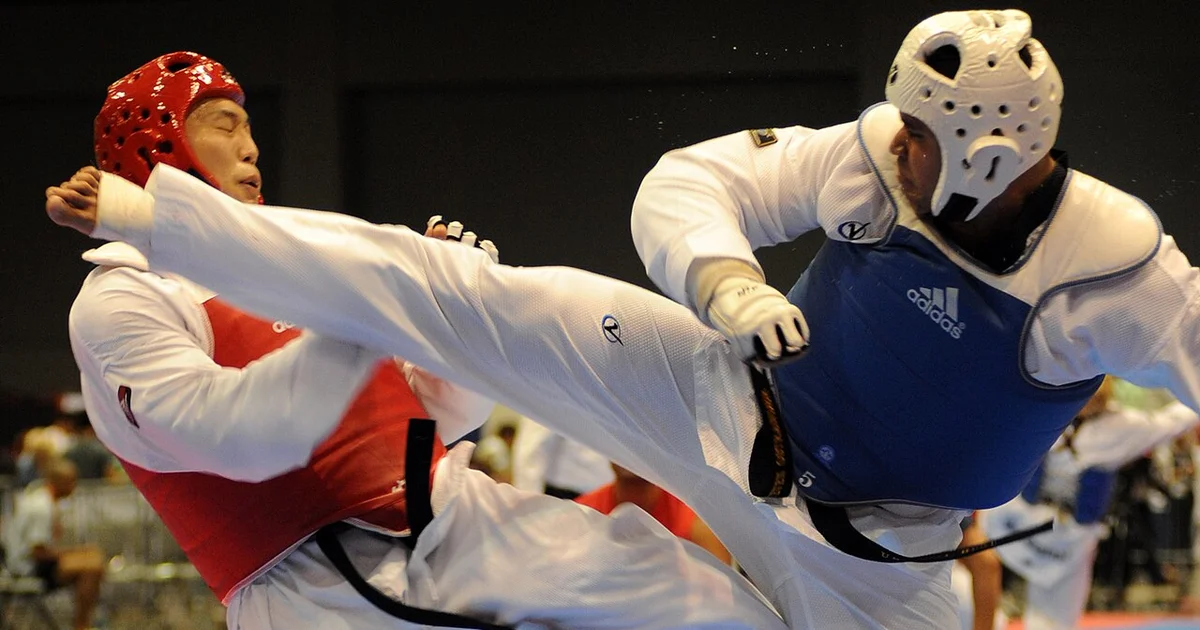
Kyokushin vs Muay Thai: Full-Contact Striking, Head-to-Head
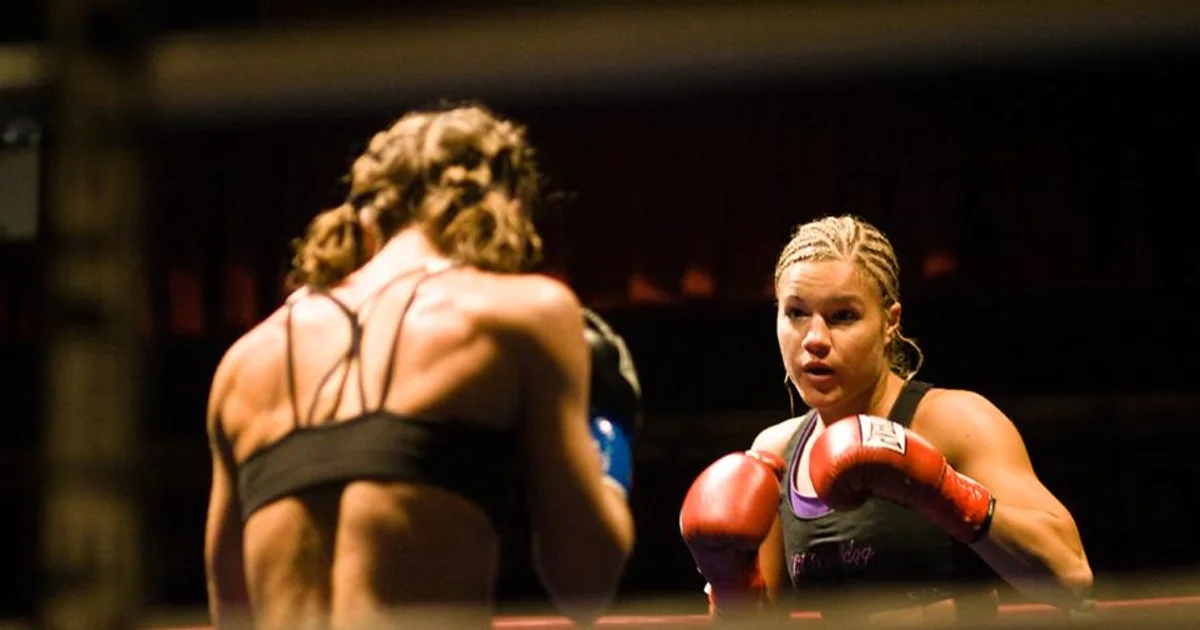
Kyokushin karate and Muay Thai are the two most proven full-contact striking systems in modern combat sports. Kyokushin forbids face punches and elbows but rew…
Read articleArticles about martial arts techniques, training, and the science of fighting.
Kyokushin karate and Muay Thai are the two most proven full-contact striking systems in modern combat sports. Kyokushin forbids face punches and elbows but rew…
Read article
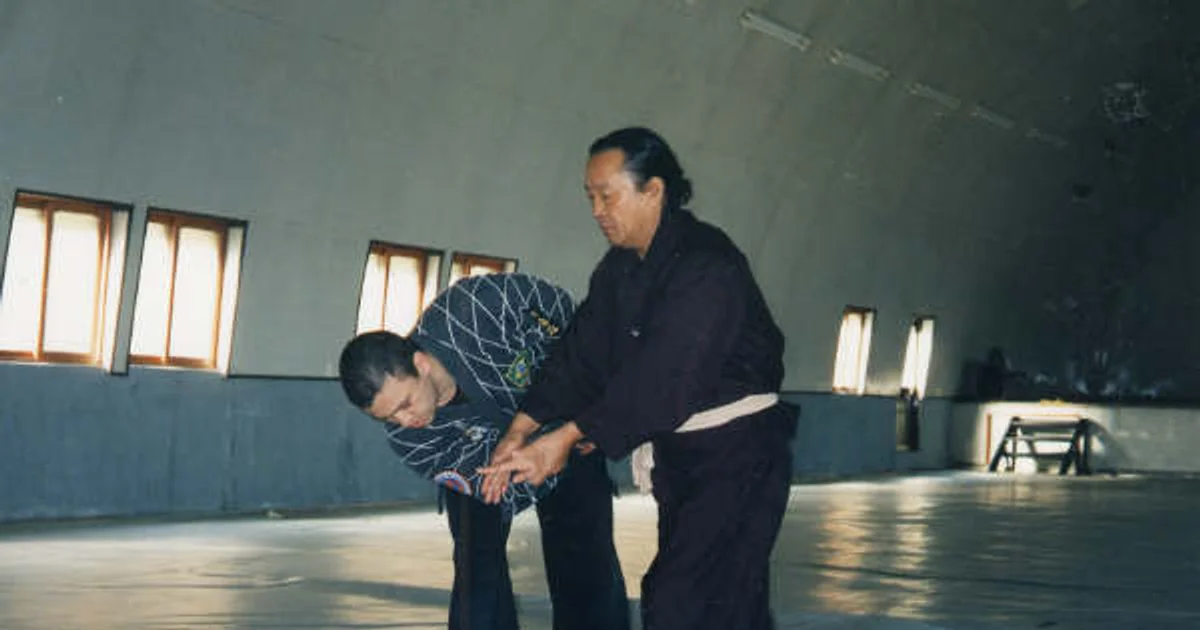
Krav Maga was engineered to stop a street assault; MMA was engineered to win a regulated competition. Both involve strikes, clinch, and takedowns, but they div…
Read article
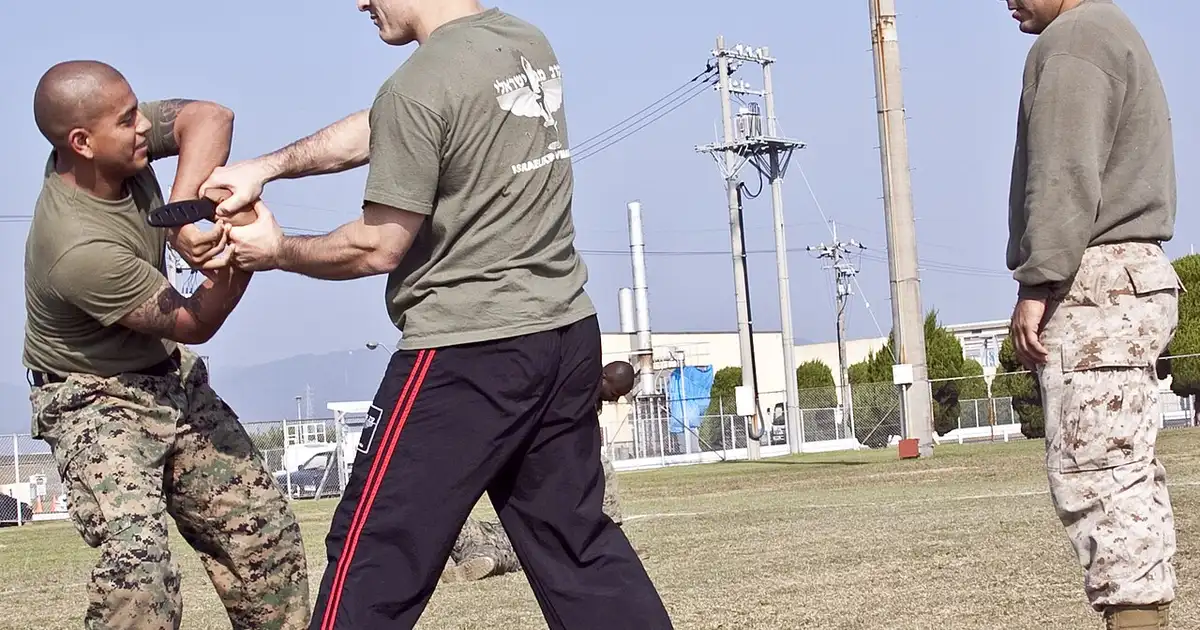
Turn a person's hand outward, past the natural range of the wrist, and their whole structure follows — balance breaks toward the little-finger edge and they go…
Read article
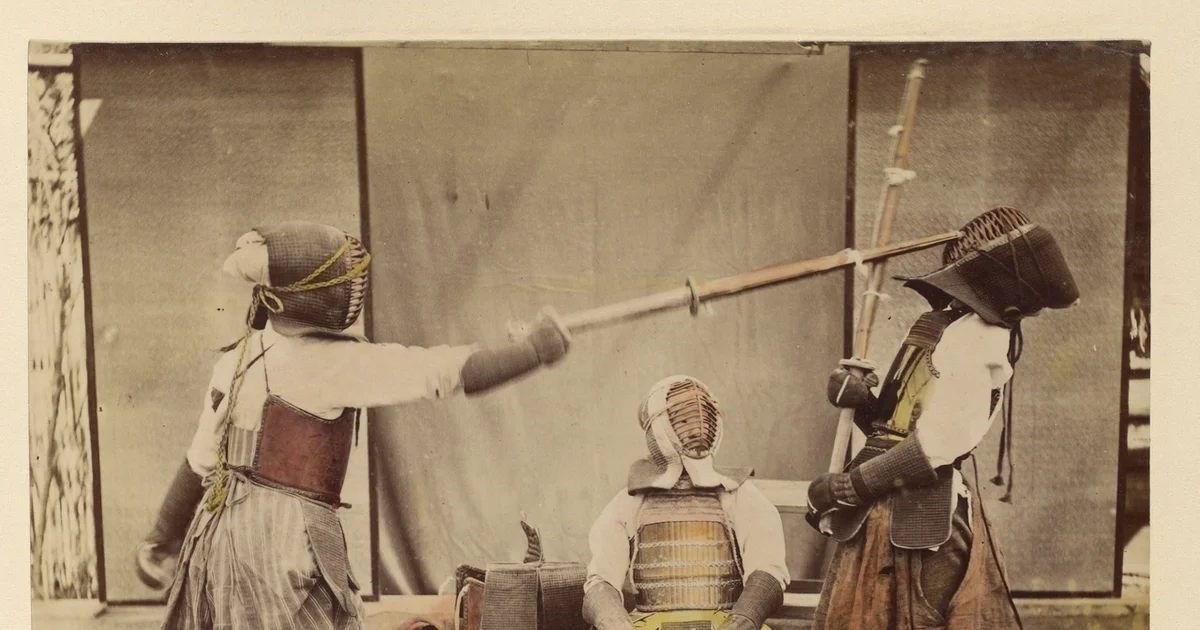
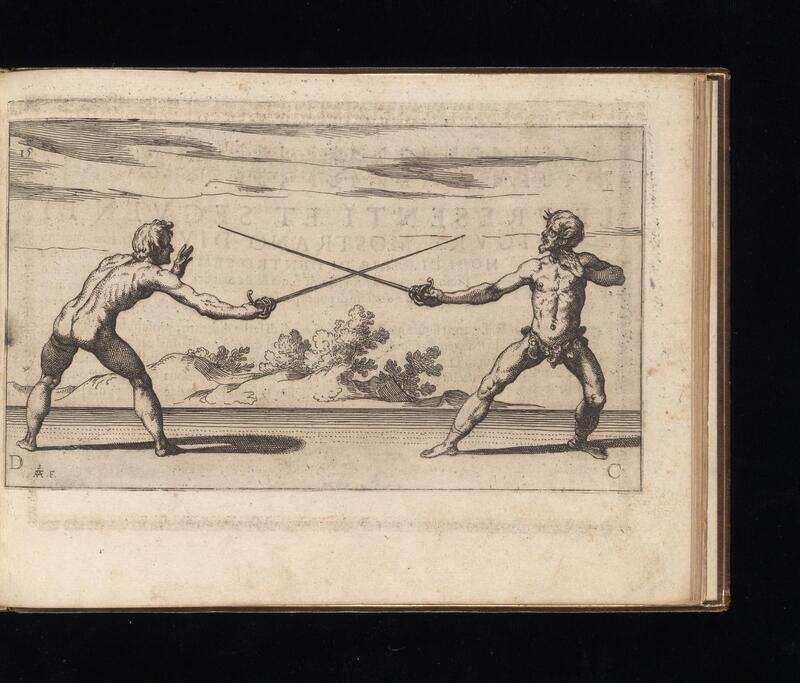
Kendo and sport fencing are the two dominant competitive sword arts alive today — one Japanese, one European, developed in complete isolation from each other a…
Read article
Kendo's scoring system reduces to four valid target zones — men (head), kote (forearm), do (trunk), and tsuki (throat) — and every technique in the syllabus is…
Read article
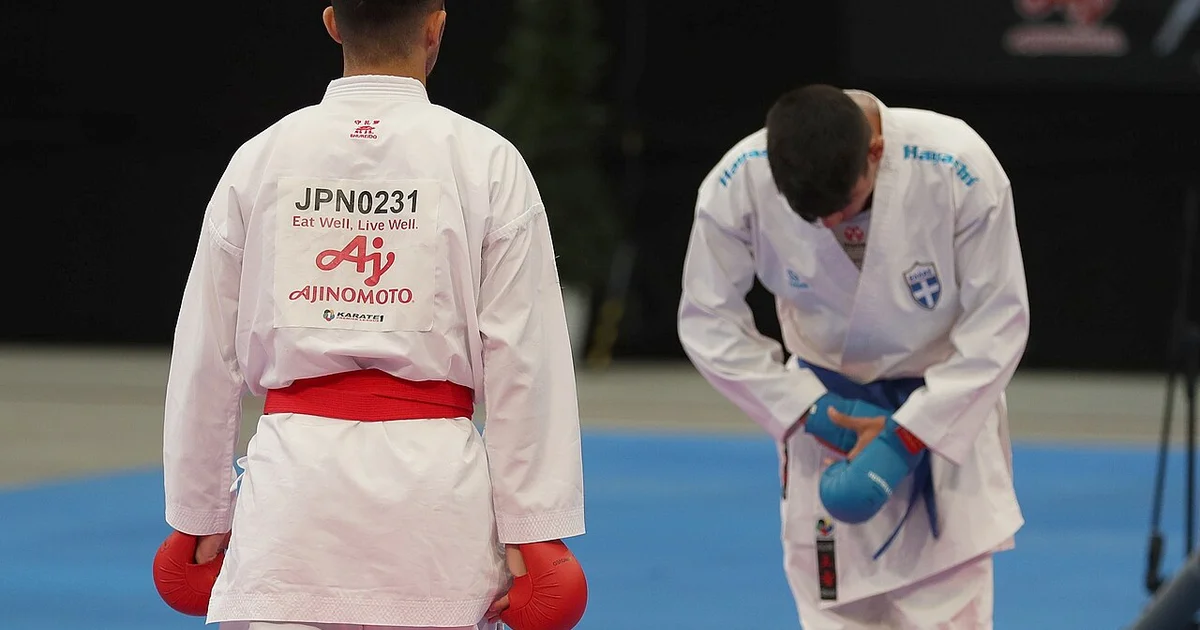
Kumite (組手, "grappling hands") is karate's live partner practice — ranging from prearranged one-step exchanges to free sparring under World Karate Federation (…
Read article
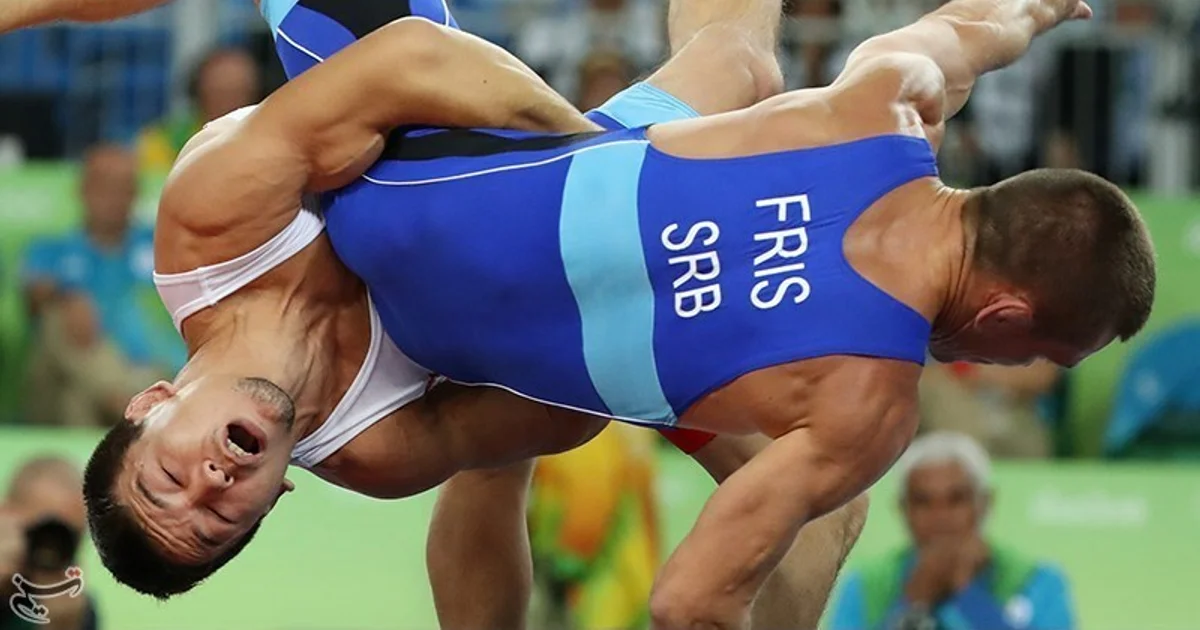
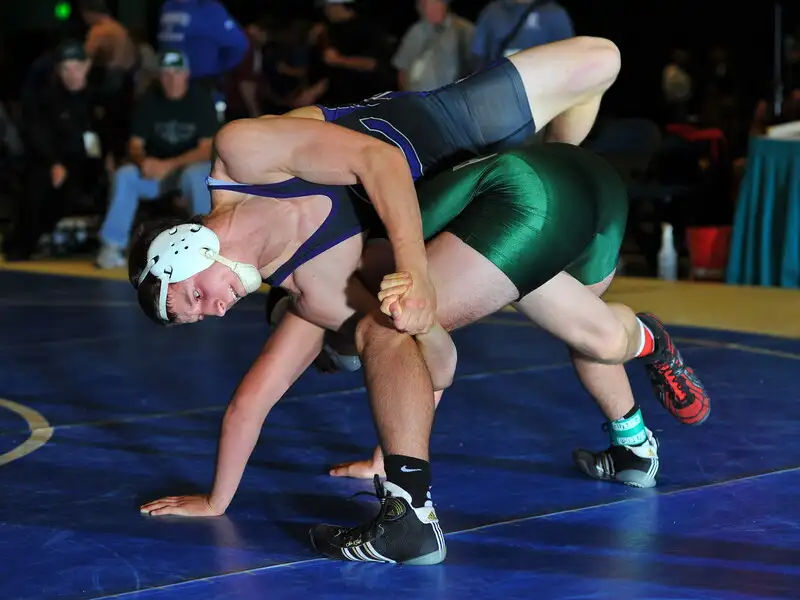
Judo nage-waza and wrestling's leg-attack system both aim to put the opponent on the mat — but the technical paths, gripping logic, and competition rules surro…
Read article
Judo grip fighting — kumi-kata (組み手) — is the tactical battle for dominant hand contact that precedes every throw. The fighter who establishes their preferred …
Read article
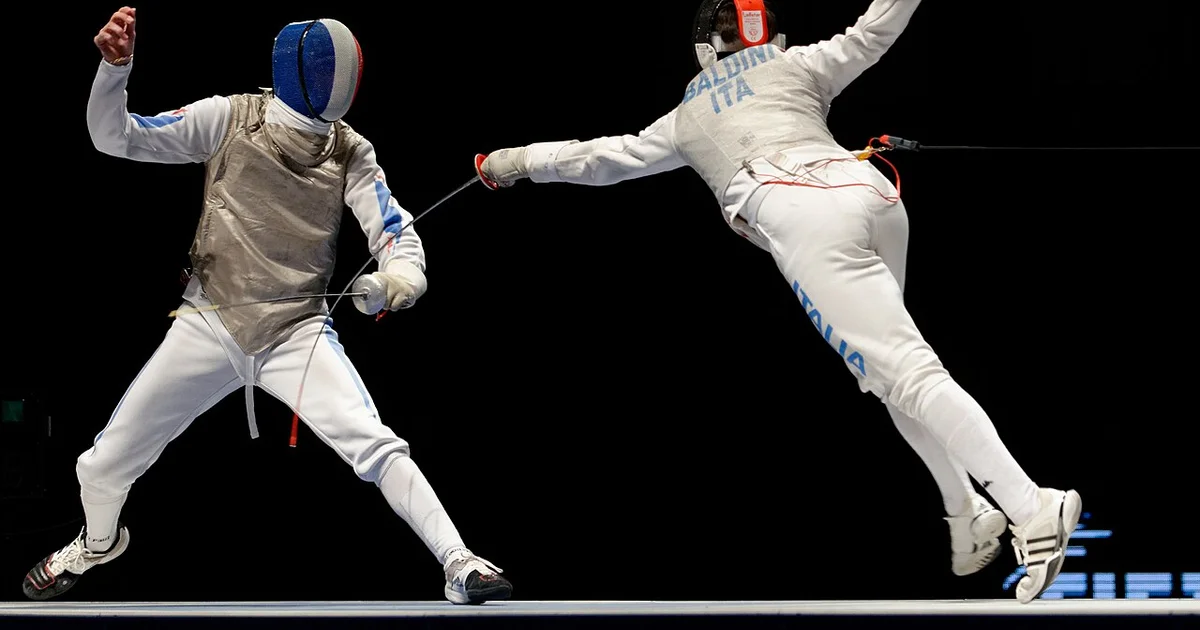
Sport fencing consists of three weapons — foil, épée, and sabre — each with a distinct target area, scoring priority rule, and technique vocabulary. Foil targe…
Read article
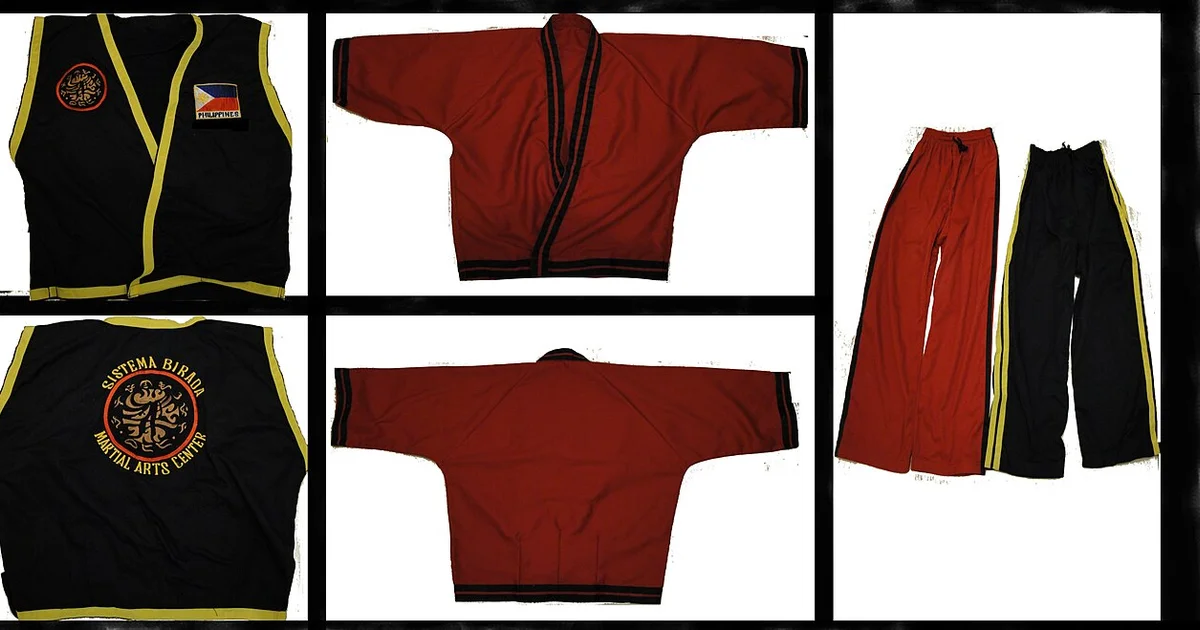
Eskrima, Kali, and Arnis are three names for the same indigenous Filipino fighting system — the only martial art designated the national sport and martial art …
Read article
Boxing and savate are the two oldest systematized striking arts in the Western world, separated by 21 miles of English Channel and a fundamental tactical argum…
Read article
Catch wrestling and Brazilian jiu-jitsu are the two most complete submission grappling systems in the world — and their comparison is not the same question as …
Read article
When a boxer meets a BJJ practitioner under no-holds-barred rules, the dominant historical pattern is clear: the grappler wins if the fight reaches the ground,…
Read article
Aikido and judo share a common ancestor — the standing jujutsu traditions of pre-Meiji Japan — but diverged completely in philosophy, training method, and comp…
Read article
Catch wrestling — formally "catch as catch can" — is a submission grappling system developed in Lancashire, England between the 1850s and 1890s in which all ho…
Read article
Boxing and MMA both rely on punching as the primary mechanism for knockouts, but the technical demands of each sport produce different guard positions, combina…
Read article
Boxing footwork is the coordinated system of step-patterns and weight transfers that controls distance, creates punching angles, and positions the fighter for …
Read article
Boxing's four defensive families — slips, rolls, blocks, and parries — form a complete system for avoiding and redirecting punches. A study of 3,215 profession…
Read article
A BJJ sweep is a guard reversal: the bottom fighter inverts the top-bottom relationship to end on top, earning 2 points under IBJJF competition rules. Sweeps a…
Read article
Leg locks are joint and compression attacks targeting the knee, ankle, and hip from below the waist. The family spans five distinct submission types — heel hoo…
Read article
The guard is the defining position of Brazilian jiu-jitsu. In guard, the bottom fighter controls the engagement despite being on their back, attacking with swe…
Read article
Judo's ground game — ne-waza — divides into three legally distinct categories: osae-waza (hold-downs), shime-waza (strangles), and kansetsu-waza (joint locks),…
Read article
Wing Chun and Jeet Kune Do (JKD) are directly connected through one man: Bruce Lee trained Wing Chun under Ip Man in Hong Kong from roughly 1954 to 1963, then …
Read article
The mount position is the most dominant ground position in Brazilian jiu-jitsu: one fighter sits astride the opponent's torso, knees planted on either side, wh…
Read article
The guillotine choke is a front-headlock submission applied by wrapping one arm around the opponent's neck from the front, with the forearm or wrist pressed ag…
Read article
The clinch in Muay Thai (chap kho, จับคอ) is a set of standing grappling positions in which two fighters maintain body contact at close range, executing knee s…
Read article
The arm triangle and the rear naked choke are both blood chokes — they end fights by compressing the carotid arteries and cutting blood flow to the brain — but…
Read article
The armbar — juji-gatame (腕挫十字固) in judo, chave de braço in Brazilian jiu-jitsu — is the most versatile joint lock in grappling, hyperextending the elbow by pr…
Read article
Pankration (παγκράτιον) was the full-contact combat sport of Ancient Greece, first contested at the Olympic Games in 648 BCE at the 33rd Olympiad. It combined …
Read article
The double leg takedown is the most frequently attempted takedown in both freestyle wrestling and MMA competition — accounting for roughly 32% of all successfu…
Read article
Women's combat sports existed for decades before it reached mainstream audiences, but a narrow group of athletes turned regional events and niche followings in…
Read article
Seven martial arts produce the most documented real-world combat effectiveness across three testable criteria: combat sports finish rates, military and law enf…
Read article
Judo's 67 recognized throwing techniques (nage-waza) produce ippons at very different rates. At Olympic and World Championship level, uchi mata alone accounts …
Read article
Twelve traditional weapons from antiquity remain in active, codified practice today: the katana, bo staff, naginata, yari (spear), arnis sticks, sai, nunchaku,…
Read article
The southpaw stance produces 10 specific attacks that orthodox fighters rarely deploy — not because the motions are impossible in reverse, but because the open…
Read article
The Twister submission has been used to finish exactly one fight in UFC or WEC history: Chan Sung Jung's spinal-crank finish over Leonard Garcia at WEC 48 in J…
Read article
The rear naked choke is the single most effective submission in professional MMA: across the publicly available UFC Stats database (ufcstats.com), it accounts …
Read article
Punches account for approximately 60% of all KO/TKO finishes in UFC history (UFC Stats, ufcstats.com, 2024). Within that group, the rear overhand punch is the …
Read article
Ten professional boxing knockouts stand above the rest when ranked by verified elapsed time from the opening bell to the finishing blow. The fastest documented…
Read article
Not all submissions hurt equally, and not all hurt at the same moment. A 2014 study published in the Orthopaedic Journal of Sports Medicine analyzing competiti…
Read article
The coach behind the champion rarely appears on the poster, but a handful of trainers did more than prepare athletes — they invented the teaching systems their…
Read articleA fight stance is not a cosmetic choice. It determines five physical variables before contact is made: weight distribution, target exposure, striking reach, de…
Read article
Brazilian jiu-jitsu requires a partner for almost every technique — but systematic solo training can build the movement foundation that makes every future mat …
Read article
The jab is the lead-hand straight punch thrown from the guard position — a ballistic extension of the arm along the centre line, snapped back immediately to gu…
Read article
The cross — boxing's rear-hand straight punch — is the sport's primary power weapon, and power punches land at a higher per-throw rate than jabs in professiona…
Read article
The double leg takedown is the most common successful takedown in both freestyle wrestling and MMA, but it fails just as often as it succeeds at high-level com…
Read article
The roundhouse kick is the most frequently thrown kick in combat sports. In World Taekwondo competition, it accounts for 65–72% of all kicks used — a single te…
Read article
The spinning back kick is a rear-facing thrust kick executed after a 180-degree pivot, driving the heel backward into the opponent at full hip extension — one …
Read article
The rear naked choke is the most finished submission in combat sports history — accounting for 39.8% of all UFC submissions across more than 8,000 fights — whi…
Read article
Mixed martial arts has rewritten its rulebook repeatedly since UFC 1 (November 12, 1993) went live with only two prohibitions — no biting, no eye-gouging. The …
Read article
Taekwondo's kicking arsenal covers 19 distinct techniques, from the basic front snap kick (ap chagi) to the airborne 360° tornado kick (gyro dollyo chagi). Wor…
Read article
Combat sports have banned dozens of techniques over the past 180 years — some because they demonstrably cause catastrophic injury, others because they make com…
Read article
At UFC 1 (November 12, 1993), Royce Gracie — representing Brazilian jiu-jitsu — submitted a professional boxer (Art Jimmerson, 29–5), a submission wrestler (Ke…
Read article
The Thai plum clinch (chap kho, จับคอ) is the defining close-range position of Muay Thai and the most effective head-control clinch in striking sports. From it…
Read article
Kung fu (wushu) is an umbrella term for hundreds of distinct Chinese fighting systems with documented roots stretching back to the Zhou Dynasty (1046–256 BC); …
Read article
The four largest karate styles — Shotokan, Kyokushin, Goju-Ryu, and Shito-Ryu — share a common Okinawan root but diverge sharply in stance geometry, sparring f…
Read article
Gi and no-gi Brazilian jiu-jitsu share the same conceptual spine — positional control, leverage over strength, submission finishing — but diverge sharply in te…
Read article
Muay Thai deploys 8 primary impact weapons — two fists, two elbows, two knees, and two feet — governed under 30 traditional techniques codified in the Muay Bor…
Read article
Krav Maga is an Israeli military self-defense system adopted by the FBI, DEA, and law-enforcement agencies in more than 50 countries. Systema is a Russian mili…
Read article
Karate and taekwondo are the two most widely practiced striking arts in the world — the World Karate Federation estimates 100 million practitioners globally; W…
Read article
Wrestling and BJJ are the two dominant grappling disciplines in modern MMA: wrestling controls the transition from standing to ground, and BJJ supplies the pri…
Read article
Sambo and judo share a common ancestor: Kodokan judo, founded by Jigoro Kano in Tokyo in 1882. Soviet sport scientist Vasily Oshchepkov earned his black belt d…
Read article
Muay Thai and MMA stand-up share the same physical tools — punches, kicks, elbows, knees, and clinch — but optimize them for structurally different rule sets. …
Read article
Modern mixed martial arts demands competency across five core technical domains: striking, takedowns, clinch work, ground positions, and submissions. According…
Read article
Martial arts weapons divide into seven distinct families — swords and long blades, polearms, staff weapons, short blades, Filipino martial arts systems, sport …
Read article
Chinese kung fu (功夫) is not a single martial art but a collective term covering hundreds of documented combat systems. The Chinese Wushu Association has catalo…
Read article
Krav Maga is a practical self-defense and fighting system developed for the Israel Defense Forces by Imi Lichtenfeld beginning in 1948. It has no sport competi…
Read article
Kickboxing combinations under K-1 and Glory rulesets add kicks at three height levels and one clinch knee to the standard boxing punch platform, forcing defend…
Read article
Shotokan karate has 26 official kata — pre-arranged movement sequences encoding striking, blocking, and footwork patterns drawn from the Okinawan fighting trad…
Read article
Judo and Brazilian jiu-jitsu share a direct lineage — BJJ descended from judo when Mitsuyo Maeda brought the Kodokan system to Brazil in 1917 — yet their compe…
Read article
Freestyle and Greco-Roman wrestling are both Olympic disciplines governed by United World Wrestling (UWW), but they differ by one foundational rule: in freesty…
Read article
Boxing builds the fastest, densest punching skills available from any striking art; kickboxing adds leg and body kicks to the same punch platform, expanding th…
Read article
Brazilian jiu-jitsu and judo share a direct lineage — BJJ descends from Kodokan judo via Mitsuyo Maeda, who began teaching the Gracie family in Brazil around 1…
Read article
Aikido contains two primary technical categories — nage waza (throwing techniques) and osae waza (pinning/immobilization techniques) — built on a single struct…
Read article
Brazilian jiu-jitsu contains more than 100 named submission holds organized into four mechanical categories: blood chokes, air chokes, joint locks, and leg loc…
Read article
Hung Gar (洪家拳, Hung Kuen in Cantonese) is a Southern Chinese kung fu system from Guangdong province, attributed in traditional lineage accounts to Hung Hei-Gun…
Read article
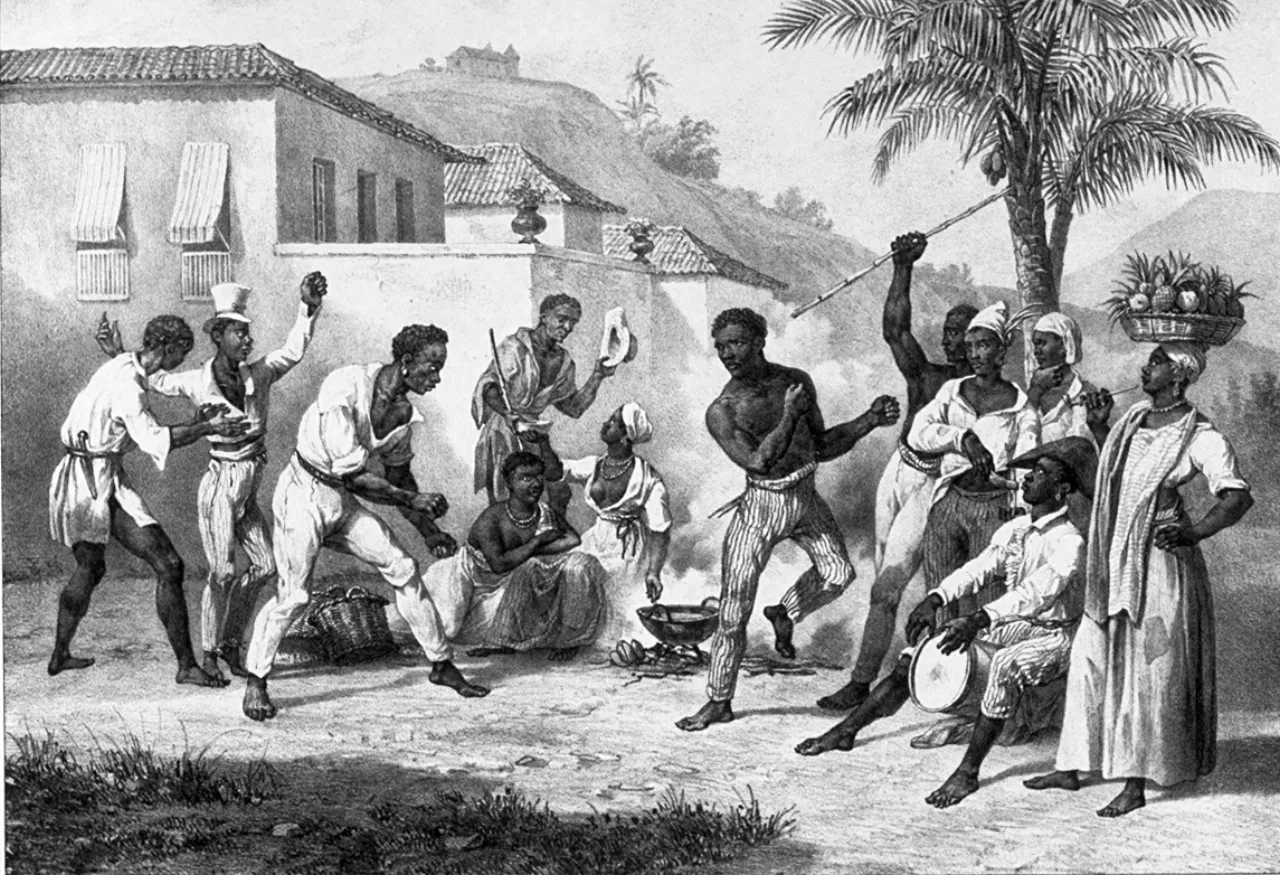
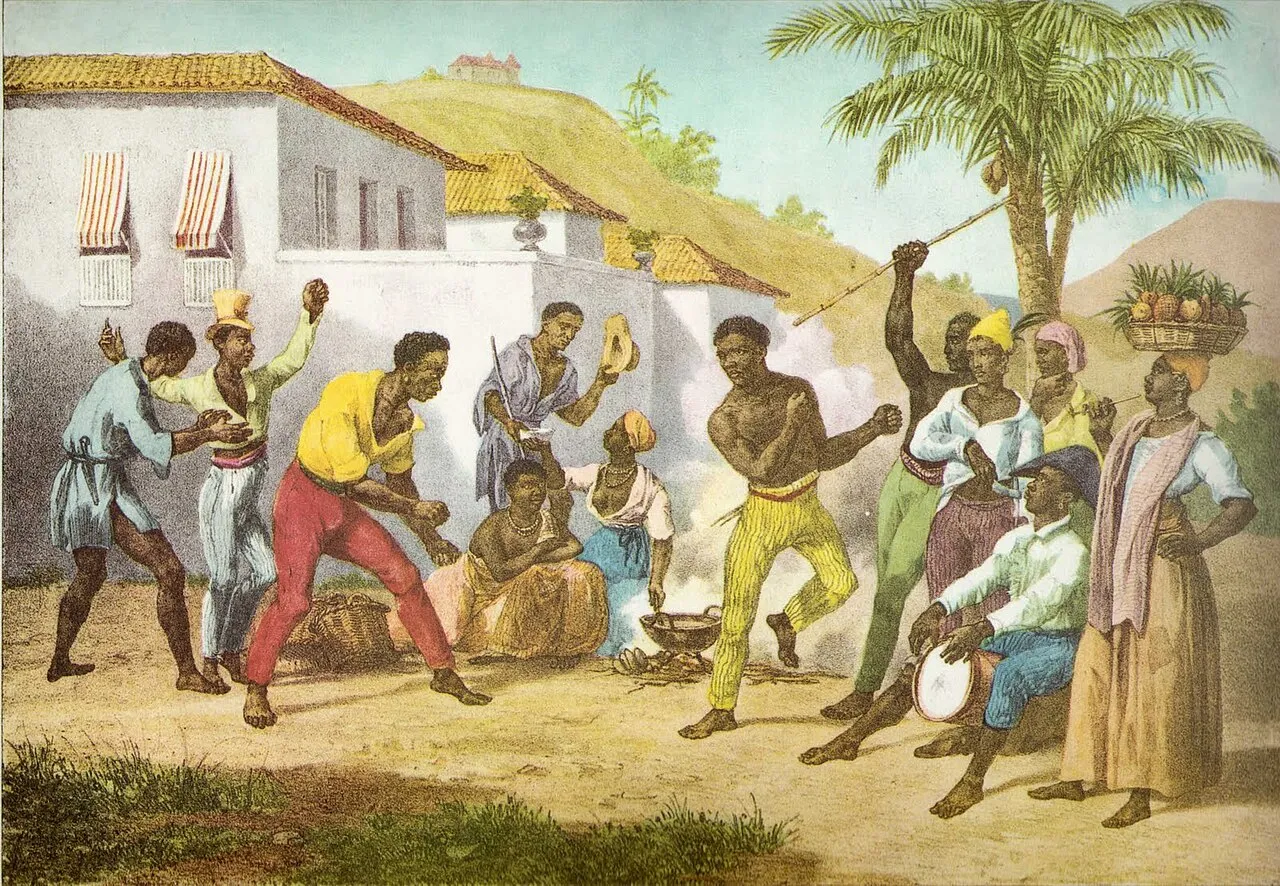
"Dance fighting" describes any movement system that uses rhythm, deception, and aesthetics as core combat or training tools — not as decoration. Capoeira is th…
Read article
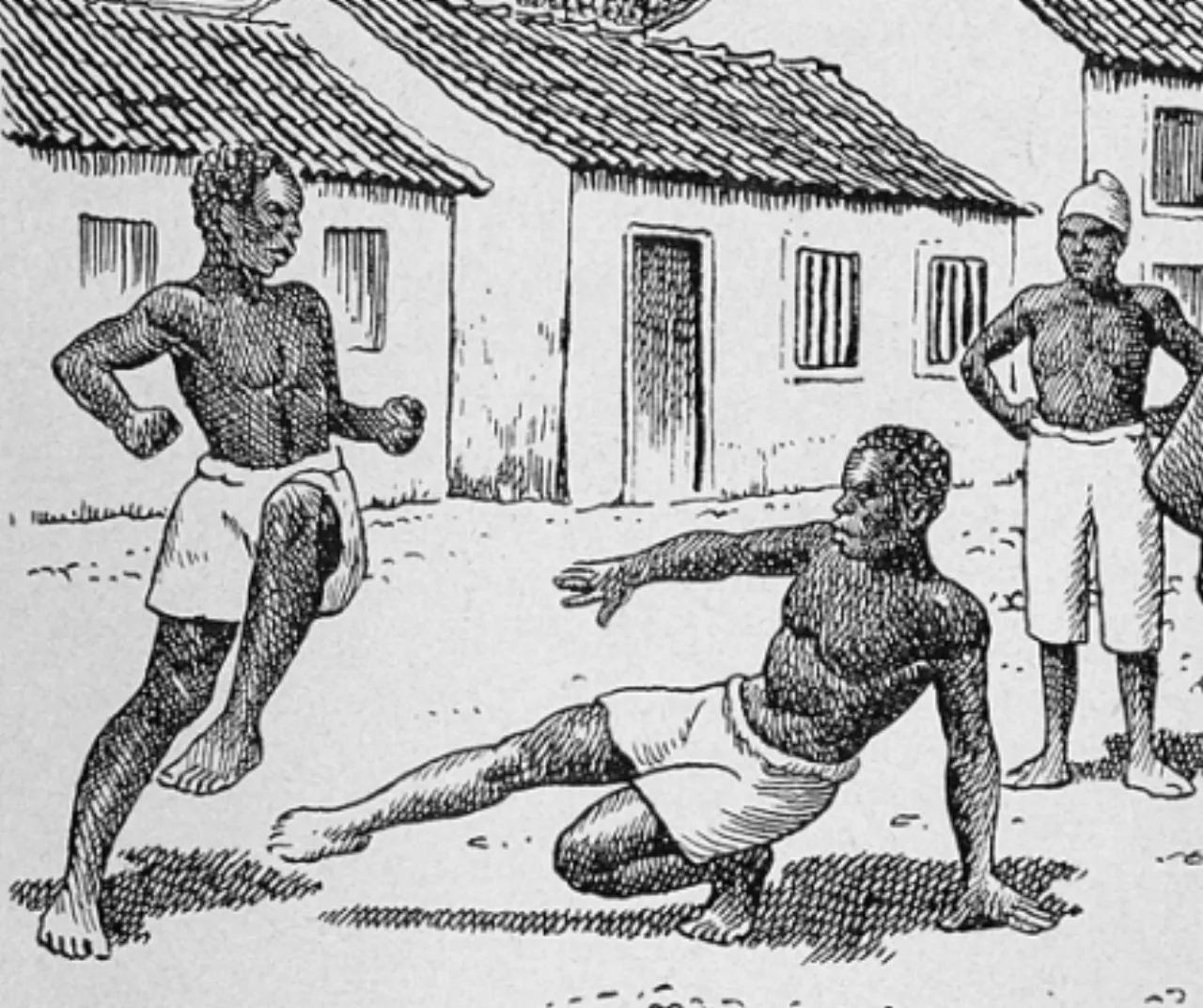
Capoeira's technical vocabulary consists of seven primary attacking kicks, three sweep and takedown categories, eight documented evasion movements, and a floor…
Read article
Capoeira is an Afro-Brazilian martial art combining striking, acrobatic evasion, sweeps, and rhythm-based deception into a continuous moving "game" (jogo) cond…
Read article
Boxing combinations are sequences of two or more punches designed to overwhelm a defender through timing variation, targeting change, and kinetic chain continu…
Read article
A polearm is any weapon combining a long shaft — typically 1.5 to 6 meters — with a specialized head designed to thrust, cut, or hook at distances that defeat …
Read article
Wrestling moves fall into four functional categories: leg attacks (single leg, double leg, ankle picks), upper-body attacks (body locks, headlocks, throws), tr…
Read article
Fight IQ is a gamified martial arts learning system inside Fight Encyclopedia: 44 interactive lessons across 9 fighting classes, 5 ranked puzzles with an Elo r…
Read article
A headscissors is a grappling submission that uses both legs to compress the opponent's head and neck, cutting off blood flow through the carotid arteries or r…
Read article
A fight encyclopedia is a reference work that catalogs fighting techniques, martial arts, fighters, and combat sports history. In 2026, fight encyclopedias exi…
Read article
In 2014, Yodsanklai Fairtex fought Giorgio Petrosyan in a kickboxing rules bout. Yodsanklai was one of the most dangerous Muay Thai fighters alive — a left bod…
Read article
At UFC 270, Ciryl Gane had Francis Ngannou against the cage, pressuring him with strikes. Then Ngannou did something nobody expected from a knockout artist — h…
Read article
In 2012, Buakaw Banchamek threw a single roundhouse kick to the ribs of his opponent in the K-1 World MAX final. The sound was audible over the crowd noise. Hi…
Read article
Judo is the art of throwing. Every judo match begins standing, and the most decisive way to win is to throw the opponent flat on their back with force and cont…
Read article
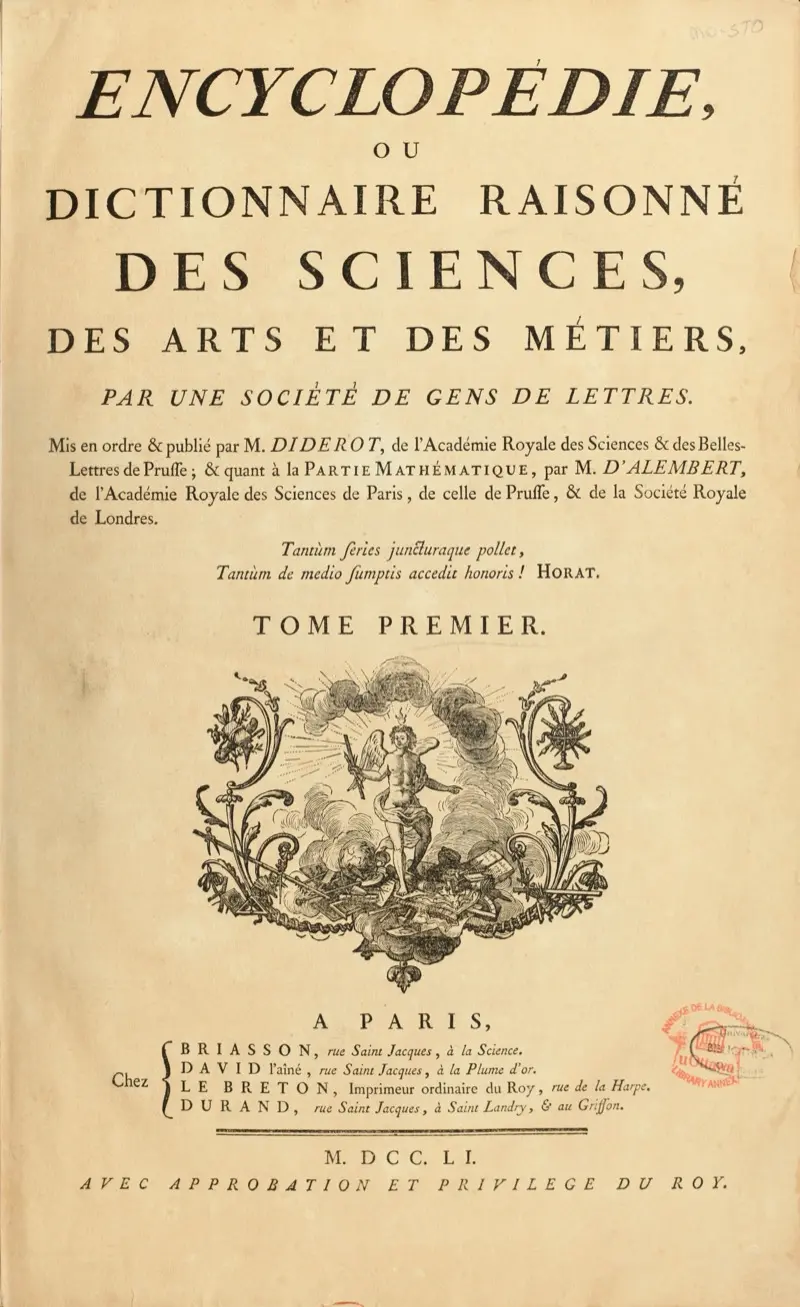
The Encyclopédie by Diderot and d'Alembert (1751) — the first attempt to organize all human knowledge into a single, structured reference. 275 years later, Fig…
Read article
The guillotine choke is the most dangerous submission a wrestler can walk into. Every time a fighter shoots for a takedown — dropping the head and driving forw…
Read article
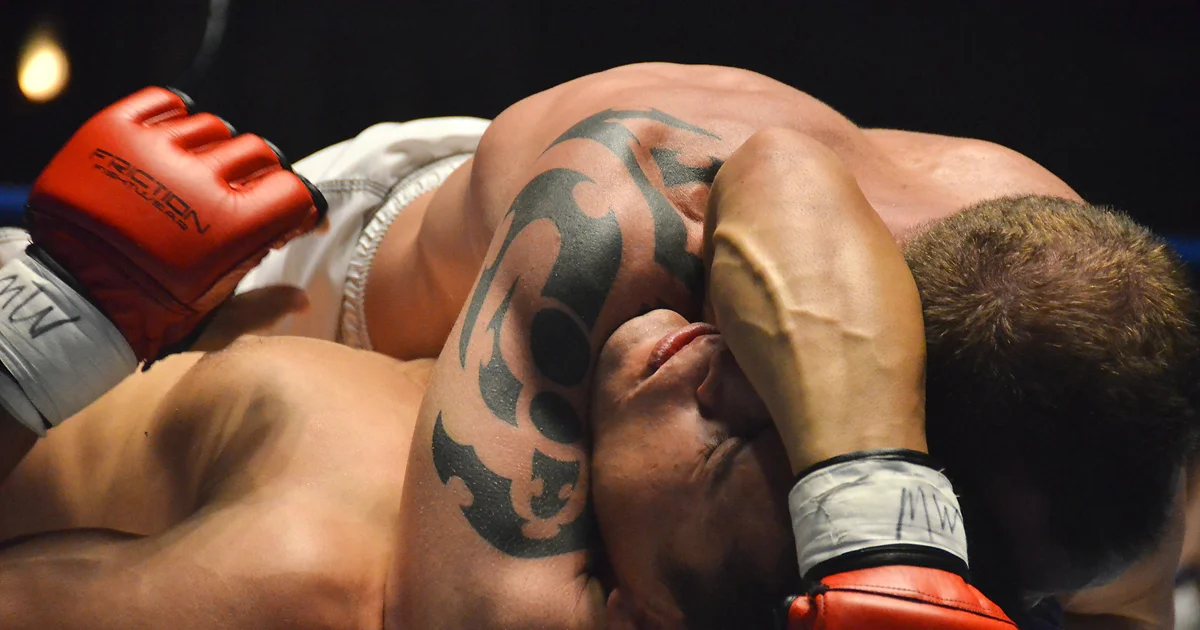
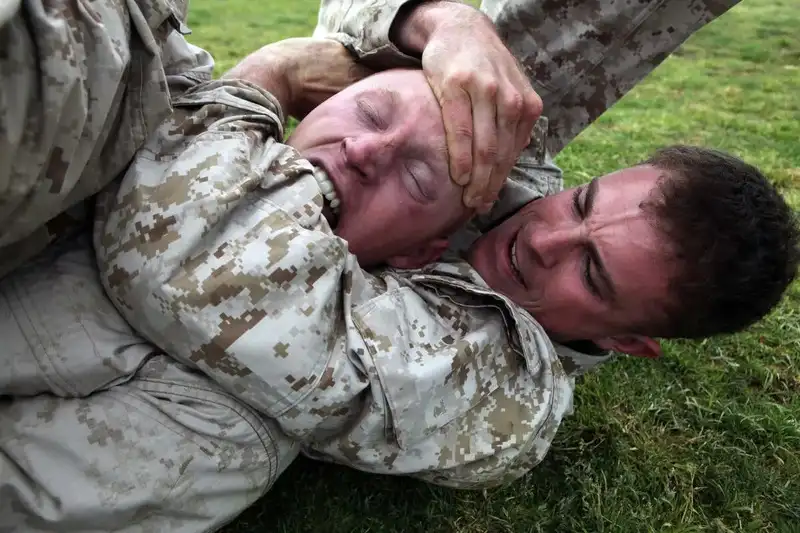
Back control is the most dominant position in grappling. Once an attacker secures the back with hooks and a seatbelt grip, the fight is statistically over — th…
Read article
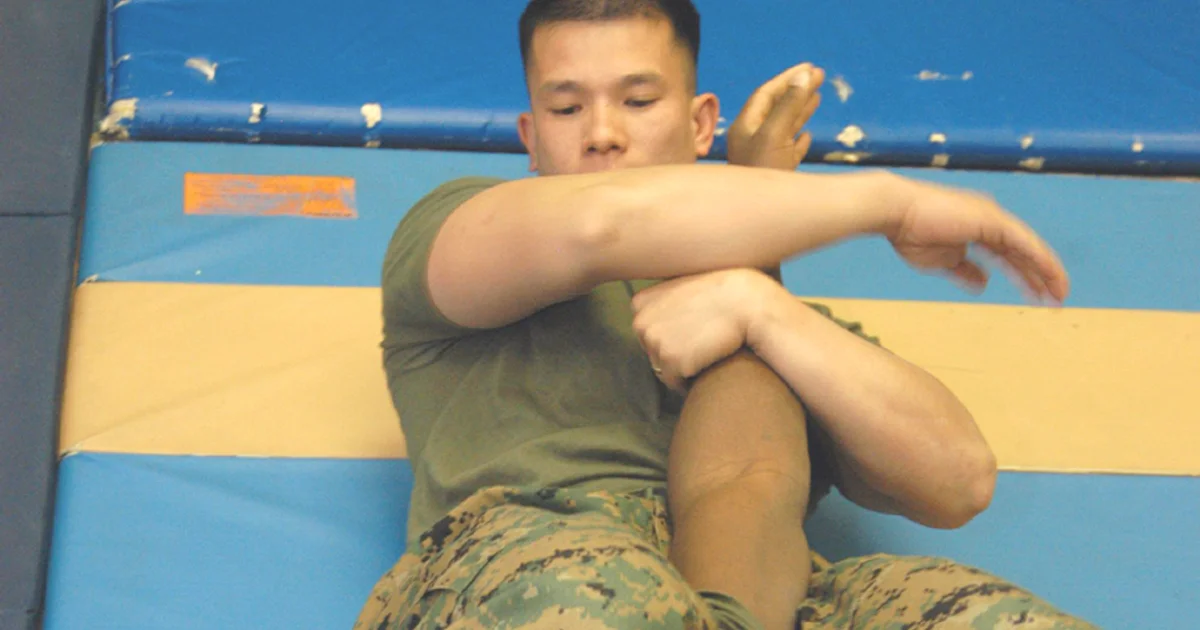
The southpaw stance is the mirror image of orthodox — and the single most disruptive variable in combat sports. Right foot forward, left foot back, right hand …
Read article
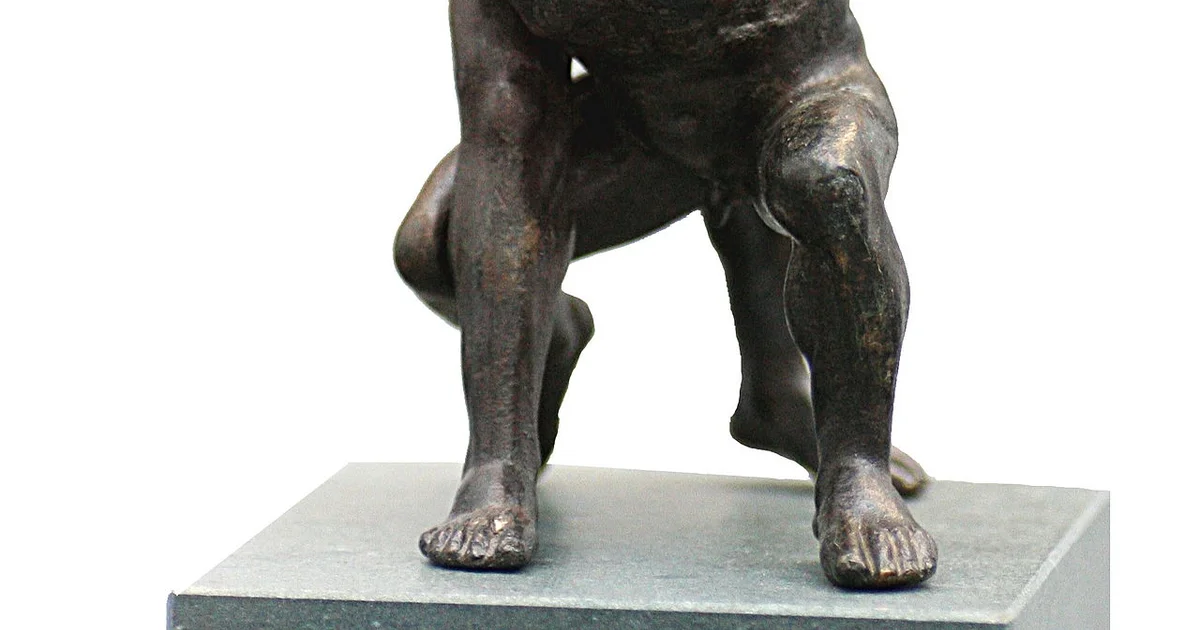
The orthodox stance is the most common fighting position in combat sports. Left foot forward, right foot back, left hand leading, right hand loaded. Approximat…
Read article
The cross counter is a boxing technique where the fighter simultaneously slips an incoming jab while throwing a rear straight over the top of the opponent's ex…
Read article
The Imanari roll is a forward rolling entry from standing that threads the attacker's legs around the opponent's lead leg, landing directly in ashi garami — th…
Read article
In fencing, there is a moment that separates beginners from masters. It is not a faster lunge or a stronger parry. It is a circle — a small, almost invisible r…
Read article
In 1825, a baker's son opened a door on a narrow Paris street and invited men inside to learn how to fight with their feet. He banned eye gouging, headbutting,…
Read article
The rear naked choke is the single most successful submission technique in the history of combat sports. Across 8,457 UFC fights, it accounts for 635 finishes …
Read article
The spladle is a wrestling pin and compression submission that forces the opponent's legs apart while controlling the head, creating extreme pressure on the ha…
Read article
In martial arts, a handful of techniques carry a person's name instead of a technical description. The Kimura is not called "reverse ude garami" in most gyms. …
Read article
A heel hook that was illegal for decades in the world's largest BJJ organization — until 2021. An elbow strike banned for twenty-four years in MMA — legalized …
Read article
A scissor takedown that broke a champion's leg in 1980. A slam that paralyzed a grappler at a local tournament. An elbow strike so controversial it was illegal…
Read article
Somewhere right now, a 70-year-old karate master in Okinawa is performing a technique that has no written record. He learned it from his teacher, who learned i…
Read article