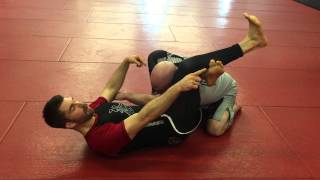
Introduction to Triangle Choke Fundamentals
This instructional guide covers triangle choke applications from multiple positions, addressing common setup mistakes and variations. The triangle remains one of grappling's most versatile submissions when understood across different contexts rather than as a single technique.
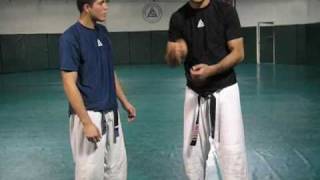
Triangle from Standing with Double Wrist Control
From double wrist control, execute a simultaneous punch and pull motion to create space for the hip displacement. Leap the hips upward while clearing the opponent's forearm, then secure the back of the neck with a scooping grip to maintain control during the transition.
Positioning and Finishing the Standing Triangle
Pull the opponent tightly onto the chest while biting down with one leg and stacking the other leg close. Position the knee on top of the opponent's shoulder and cross the legs to complete the submission, ensuring both knees face the same direction rather than pointing outward.
Triangle from Guard with Sleeve and Collar Control
Establish a double attack by holding the material behind the bicep while securing a cross collar grip. Hip out in a scissor sweep motion, pressing the shin into the opponent's bicep to force them to pull the arm away.
Completing the Gi Guard Triangle
As the opponent extracts their arm, follow the motion and circle around to complete the triangle setup. Maintain sleeve control, position the knee on the opponent's shoulder, bite down with the legs, and squeeze to finish the submission.
Triangle from Modified Guard Position
Establish control by holding the opponent's wrist while pressing the shin into their bicep and keeping downward pressure on their shoulder. When the opponent attempts to regain posture, open the hip and shoot the leg through to set up the triangle finish.
Alternative Finish When Opponent Defends Posture
If the opponent maintains a tight defense and refuses to turn back into the attacker, straighten the leg and punch it inside the opponent's arm to establish the bite. Spin to complete the triangle from this outside-arm position.
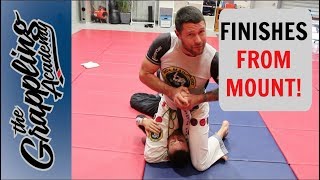
Triangle Choke from Mount Position
In mount, use the same punch-and-pull concept on the wrist while keeping one arm pressed against the opponent. Step and sit on top of one arm, then post on the floor and slide the hips upward while pushing deeper behind the neck.
Mount Triangle Finishing Position
Rather than turning square to face the opponent, remain positioned to one side to keep the knees aligned in the same direction. This positioning ensures tighter leg control and a more efficient finish of the triangle choke.
Triangle Chokes from Almost Everywhere | A Mini-Seminar
Key Takeaways
- •Introduction to Triangle Choke Fundamentals
- •Triangle from Standing with Double Wrist Control
- •Positioning and Finishing the Standing Triangle
- •Triangle from Guard with Sleeve and Collar Control
Perhaps the most powerful submission technique there is in Jiu-Jitsu is the Triangle Choke. It's no wonder why it is the favorite of so many (me included). It is a great equalizer vs a larger, stronger opponent. When we saw Royce Gracie catch Dan Severn in this move in 1994, even people who knew what Sankaku Jime was were shocked and impressed by this move. This is a bit of a longer video, but I wanted to focus on not just the mechanics of this technique, but the versatility of it from a wide variety of positions and setups. Far from a comprehensive list of every way to hit the triangle, this video should have something for all levels of practitioner. Thank you to everyone for helping this channel reach 100,000 subscribers just a couple days before this video! You are all so awesome, and I am overwhelmed by the support! Please like, share and subscribe. Check out Patreon.com/KnightJiuJitsu for more detailed instruction weekly. Follow me on Instagram @knight_jiu_jitsu_ Get the gi I am wearing here: https://shop.dafirmabjj.com/product.sc?productId=173&categoryId=1
Related Techniques
Frequently Asked Questions
What does this video teach about triangle from standing?
This video covers introduction to triangle choke fundamentals, triangle from standing with double wrist control, positioning and finishing the standing triangle. It provides detailed instruction from Knight Jiu-Jitsu.
How long does it take to learn triangle from standing?
The basic mechanics can be understood in a single session, but developing reliable execution requires consistent drilling over weeks of practice. This 9-part breakdown helps structure your training by isolating each phase of the technique.
What are the key details for finishing triangle from standing?
In mount, use the same punch-and-pull concept on the wrist while keeping one arm pressed against the opponent. Step and sit on top of one arm, then post on the floor and slide the hips upward while pushing deeper behind the neck.