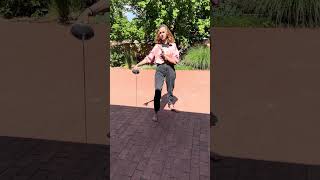
Introduction to Prime Parry
The parry of prime is the first fundamental defensive position in classical fencing, executed in the high line with the weapon hand elevated. This foundational technique protects the upper torso and establishes the fencer's defensive framework. Mastering prime parry is essential before advancing to more complex parrying sequences.
Hand and Blade Positioning
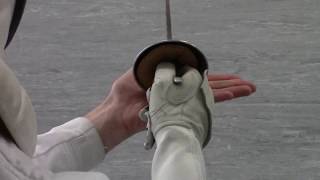
The fencing arm maintains a bent elbow with the hand positioned at eye level, palm facing inward. The blade angle slopes downward at approximately 45 degrees, creating a protective barrier across the upper body. Proper hand height ensures maximum coverage of the prime line while maintaining mobility for counterattacks.
Footwork and Stance Mechanics
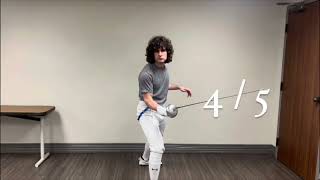
The fencer maintains a balanced en-garde position with weight distributed equally between both legs. Feet remain shoulder-width apart with the lead foot pointed toward the opponent and the rear foot at a 90-degree angle. This stable foundation allows seamless transitions into offensive and defensive movements.
Defensive Contact and Blade Work
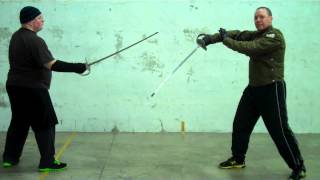
The parrying action involves a controlled half-circle motion that redirects the incoming attack away from the body. Contact should be made with the lower half of the blade, utilizing leverage to safely deflect the opponent's weapon. The wrist remains firm but not rigid, allowing subtle adjustments to counter varying attack angles.
Transitioning to Riposte
Immediately following a successful parry, the fencer executes a riposte—a swift counterattack that capitalizes on the opponent's momentary imbalance. The blade extends in a straight line toward a valid target area with explosive extension of the arm and legs. Timing and economy of movement determine the effectiveness of the riposte.
Distance and Spatial Awareness
Maintaining proper distance allows the fencer to parry incoming attacks while preserving space for the riposte. The fencer must continuously read the opponent's position and adjust accordingly to prevent overextending or allowing penetration. Controlling the bout's distance is fundamental to executing consistent prime parry-riposte combinations.
Common Errors and Corrections
Dropping the hand, tensing the shoulder, or rotating the torso excessively compromises the parry's effectiveness and telegraphs intentions. The wrist should remain neutral without excessive pronation or supination during the parrying motion. Practitioners should focus on relaxed precision rather than muscular force to maintain proper mechanics under pressure.
Repetition and Drills
Consistent drilling of prime parry-riposte combinations under controlled conditions builds muscle memory and reactivity. Fencers should practice both static parries and dynamic responses to increasingly varied attack patterns. Gradual progression from slow, deliberate movements to competitive speed develops reliable technique that performs under tournament conditions.
Fencing - prime parry riposte
Key Takeaways
- •Introduction to Prime Parry
- •Hand and Blade Positioning
- •Footwork and Stance Mechanics
- •Defensive Contact and Blade Work
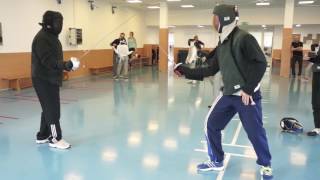
Team PDFA training day 17/02/2016
Frequently Asked Questions
What does this video teach about parry of prime?
This video covers introduction to prime parry, hand and blade positioning, footwork and stance mechanics. It provides detailed instruction from Paul Davis.
How long does it take to learn parry of prime?
The basic mechanics can be understood in a single session, but developing reliable execution requires consistent drilling over weeks of practice. This 8-part breakdown helps structure your training by isolating each phase of the technique.
What are the key details for finishing parry of prime?
Dropping the hand, tensing the shoulder, or rotating the torso excessively compromises the parry's effectiveness and telegraphs intentions. The wrist should remain neutral without excessive pronation or supination during the parrying motion. Practitioners should focus on relaxed precision rather than muscular force to maintain proper mechanics under pressure.