Parry Sixte Riposte
0
Parry of Sixte·Kingston Fencing Club
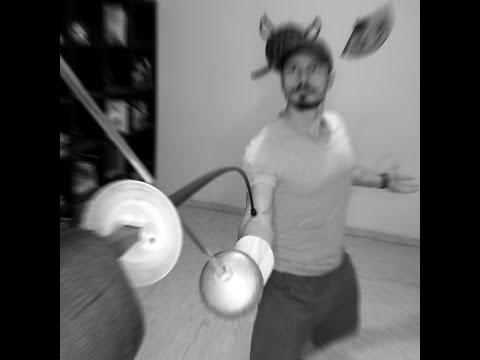
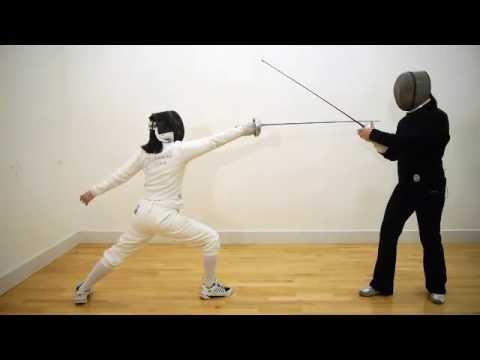
Oksana Larson, a coach at Kingston Fencing Club, coaches Richard and experienced foilist, counter parry sixte riposte.
Translation: Sixth parry
The Parry of Sixte deflects attacks in the outside high line with the hand in supination, covering the outside shoulder and upper arm area. [1] Sixte is the modern counterpart to tierce and is the standard outside parry in French-school fencing. [1] It provides excellent coverage against disengagement attacks. [1]
The Parry of Sixte remains a core technique in modern competitive fencing and historical swordsmanship. [1]
Used in FIE international fencing competition
No images yet for this technique.
Sign in to suggest an image.
Oksana Larson, a coach at Kingston Fencing Club, coaches Richard and experienced foilist, counter parry sixte riposte.
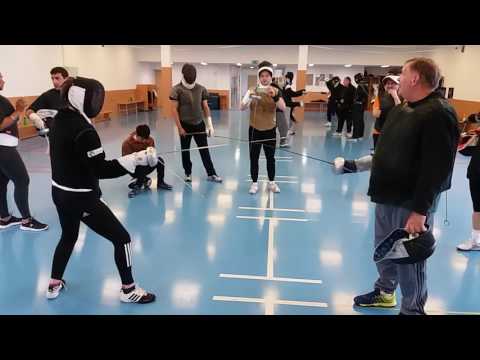
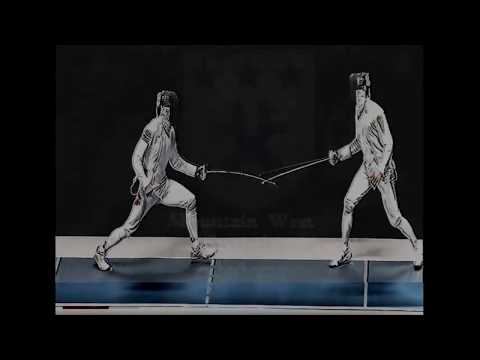
FIE coaching Budapest 17
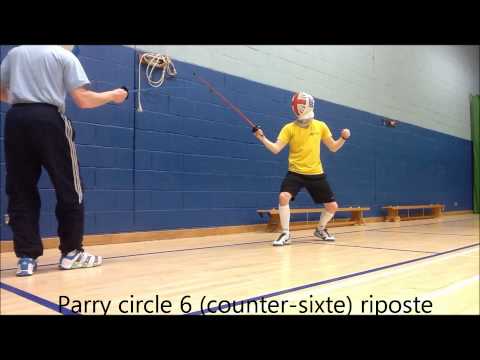
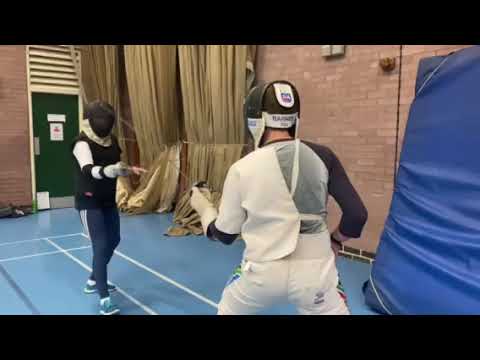
Fencing - how to do parry circle 6 (aka counter-sixte)
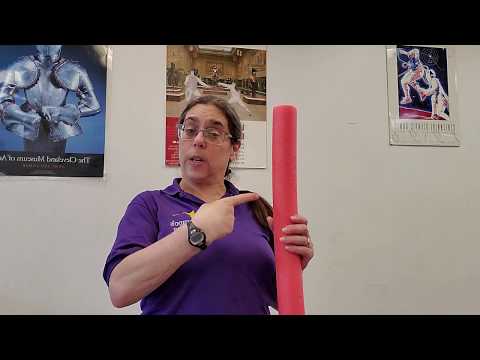
Join Coach Kass from Cyrano's Place as she shows you ways to drill parry 6 with inexpensive materials. Train like a cham…
Support ———————————— 🧴 HTLT Supplements: https://www.htltsupps.com/?ref=fitness__ignite 🚶 Healthy Lifestyle: https://w…
In these videos BFA Fencing Coach instructor Priscille Lepoutge presents the technical requirements to pass grade 1 Coac…
This video covers the circular 6 parry, and the riposte from a parry 5 position, and a version of the stop thrust I lear…
Practice at the Spindletop Cavaliers' old practice facility in Port Arthur, before Hurricane Rita destroyed it.
Follow me on: PATREON - https://www.patreon.com/MalaguttiFederico Instagram - https://www.instagram.com/federicom…
The parry of sixte is a high-line outside defense executed by moving the blade away from the body's centerline to intercept an opponent's attack. Cyrano's Place emphasizes that sixte, alongside quarte, constitutes a primary high-line parry, with sixte specifically deflecting threats to the outside (away from the belly button). The technique is drilled systematically at multiple distances—extension, advance, and lunge—to build consistency and competitive confidence. The French Fencing Factory and Kingston Fencing Club focus on sixte as a circular parry, which proves more effective than lateral parries at speed by rapidly placing the blades to the side, minimizing the risk of being hit during the defensive action. Both sources stress the importance of engaging the opponent's blade promptly once the attack commits, particularly during a lunge. The French Fencing Factory instructor demonstrates pairing sixte with immediate riposte, using the strong part of one's blade against the weak part of the opponent's blade to gain control. Kingston Fencing Club's brief footage reinforces the repetitive drilling methodology, counting rhythmically through multiple executions. All instructors implicitly agree that sixte is a fundamental, high-percentage defense requiring consistent practice to achieve automatic execution.
Synthesized from 3 instructors
No instructional courses yet for this technique.
Sign in to suggest a course.
Risk of injury to the person this technique is applied to
Defensive parrying technique
Skill level needed to execute this technique reliably
Whether this technique is allowed under major competition rule sets
Fencing (Pollock, Grove & Prevost, 1902)
description, historyOrigin: sourced from Pollock, W
description, historyOrigin: sourced from Pollock, W
Requires good arm extension
Quick reflexes
Balance and footwork
The parry of sixte protects the outside high line — the blade moves from inside to outside. Along with quarte, it forms the primary parry pair in foil fencing. (Fencing technique manuals; Biomechanics of Human Motion)
Federico Malagutti recommends starting from the Pota di Ferro guard (Italian for 'iron door'), which provides good balance and is an ideal position to begin the entire parry and riposte action.
According to RecSport Education, this maneuver should be practiced regularly if you want to make it effective in a bout, and you should be extra careful when attempting it in épée matches since the head is a valid target.
The Parry of Sixte deflects attacks in the outside high line with the hand in supination, covering the outside shoulder and upper arm area. Sixte is the modern counterpart to tierce and is the standard outside parry in French-school fencing.
The Parry of Sixte was codified in European fencing treatises from the 16th century onward. Italian and French schools developed the technique into its modern form through centuries of refinement.
Unified MMA: legal — Legal defensive technique; WBC/Boxing: legal — Legal — blocking and evasion are core boxing skills; WKF: legal — Legal — blocking is a fundamental karate skill; Kyokushin: legal — Legal; WT: legal — Legal; WAKO: legal — Legal; K: legal — 1/GLORY — Legal; IFMA: legal — Legal
Danger rating 1/10. Defensive parrying technique
The standard setup chain: En garde → Preparation → Parry of Sixte → Recovery.
Standard counters include: Counter-parry / Distance management / Stop-hit.
Common variants: Direct parry of sixte; Indirect parry of sixte; Compound parry of sixte.
Used in FIE international fencing competition
Top errors to watch for: Over-extending / Telegraphing the action / Poor recovery.
The Parry of Sixte is also known as Shikusuto, Sixte, Parry 6, Sixth Parry, Parade de Sixte.