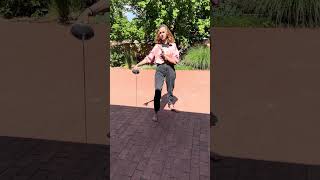
Introduction to Prime Position
The Parry of Prime forms the foundation of Italian épée defense, protecting the upper inside line from shoulder to chest. This fundamental position requires the sword hand to remain at waist height with the blade angled upward at approximately 45 degrees. Mastering Prime establishes proper distance and hand positioning for executing effective ripostes.
Blade Alignment and Distance
Correct blade alignment in Prime demands precise control of the forte, or strong third of the blade, positioned to intercept incoming attacks. The fencer maintains optimal distance by keeping the arm slightly bent and the hand relaxed to absorb incoming force. This positioning allows for immediate transition into offensive movements without excessive hand repositioning.
Executing the Parrying Motion
The parry itself requires a small, controlled circular motion that deflects the opponent's blade from center line to the outside. Rather than meeting force with force, Italian technique emphasizes using the blade's natural leverage to redirect energy efficiently. The parrying motion originates from the wrist and fingers, preserving arm stability and ready position.
Timing and Blade Contact
Proper timing dictates that contact occurs during the opponent's lunge extension, when their blade momentum is greatest. The fencer should engage the opponent's blade in the weak section (foible), where leverage provides maximum control. This critical timing window ensures the riposte can be executed without telegraphing movement.
Transitioning to the Riposte
Immediately after successful parry, the fencer initiates the riposte by extending the arm along the same line of the deflection. The riposte must execute with explosive speed before the opponent can recover from their lunge. Italian épée style emphasizes direct, economical movement that capitalizes on the opponent's momentary vulnerability.
Footwork Integration
Coordinating footwork with the parry-riposte combination maintains proper distance and balance throughout the exchange. A small advance or lateral shift during parry preparation can angle the body away from the incoming threat. The feet remain grounded during the parrying motion, ensuring stability before launching the riposte with possible forward movement.
Common Errors and Corrections
Overcommitting with excessive hand movement or blade crossing the center line represents the most frequent technical flaw among students. Hesitating after parry prevents effective riposte execution and allows the opponent to recover. Maintaining blade contact throughout the parry-riposte sequence ensures control and prevents the opponent from disengaging.
Drills and Progressive Practice
Begin with static parries against a non-moving opponent before advancing to parrying moving attacks. Partner drills should progress from slow, controlled lunges to realistic attack speed and distance. Repetition builds the reflexive response necessary to execute Prime parries and ripostes during competitive fencing.
How to Parry-Riposte in the Italian Epée Style
Key Takeaways
- •Introduction to Prime Position
- •Blade Alignment and Distance
- •Executing the Parrying Motion
- •Timing and Blade Contact
The music for this video is available for purchase and free streaming at achilleus.bandcamp.com/track/pineapple-pizza
Frequently Asked Questions
What does this video teach about parry of prime?
This video covers introduction to prime position, blade alignment and distance, executing the parrying motion. It provides detailed instruction from Achilleus.
How long does it take to learn parry of prime?
The basic mechanics can be understood in a single session, but developing reliable execution requires consistent drilling over weeks of practice. This 8-part breakdown helps structure your training by isolating each phase of the technique.
What are the key details for finishing parry of prime?
Overcommitting with excessive hand movement or blade crossing the center line represents the most frequent technical flaw among students. Hesitating after parry prevents effective riposte execution and allows the opponent to recover. Maintaining blade contact throughout the parry-riposte sequence ensures control and prevents the opponent from disengaging.