Introduction to Sixte Parry Mechanics
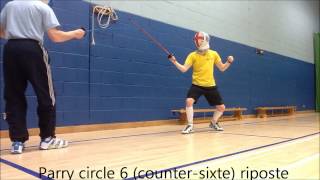
The parry of sixte is a fundamental defensive position in épée fencing, characterized by the blade positioned high and to the right of the body. This parry effectively protects the upper right quadrant and shoulder line, making it essential for handling overhead and diagonal attacks. Mastering sixte parry mechanics forms the foundation for pressure-resistant defense.
Grip and Hand Positioning
Proper hand alignment is critical for executing an effective sixte parry. The hand should be held at chest height with the thumb on top of the grip, maintaining a relaxed but controlled position. The blade angle must remain consistent to create a solid defensive line against incoming attacks.
Blade Angle and Coverage
The blade in sixte parry should be angled approximately 45 degrees, creating optimal coverage of the high outside target area. This angle prevents the opponent's blade from sliding through to the shoulder while maintaining proper distance from the body. Consistent blade positioning ensures reliable defense against direct and compound attacks.
Managing Pressure and Force Distribution
When facing aggressive attacks, the fencer must absorb pressure through proper arm mechanics rather than rigid tension. Allowing slight flexibility in the elbow and wrist enables effective force distribution along the blade. This dynamic approach prevents the parry from being overwhelmed by stronger opposition.
Transition and Riposte Preparation
A successful parry is incomplete without immediate offensive readiness. After deflecting the opponent's blade, the fencer should prepare for riposte by maintaining blade contact and controlling the opponent's weapon. This transition creates offensive opportunities while maintaining defensive security.
Common Errors and Corrections
Fencers often position the hand too high or too low, compromising coverage of critical target areas. Additionally, excessive tension in the arm reduces the parry's effectiveness under pressure. Awareness of these common mistakes enables deliberate correction and improved defensive reliability.
Drills for Pressure Resistance
Systematic practice against varying attack speeds and force levels develops the fencer's ability to maintain sixte parry under pressure. Repetitive drilling with progressive resistance builds muscle memory and confidence in defensive execution. Consistent training transforms sixte parry into an instinctive, reliable defensive reflex.
Epee Fencing - Improve your sixte parry to better handle pressure!
Key Takeaways
- •Introduction to Sixte Parry Mechanics
- •Grip and Hand Positioning
- •Blade Angle and Coverage
- •Managing Pressure and Force Distribution
Support ———————————— 🧴 HTLT Supplements: https://www.htltsupps.com/?ref=fitness__ignite 🚶 Healthy Lifestyle: https://www.gregdoucette.com/?ref=fitness__ignite ———————————— Follow Me On ———————————— Instagram: https://www.instagram.com/fitness__ignite IGTV: https://www.instagram.com/fitness__ignite/channel TikTok: https://www.tiktok.com/@fitness__ignite ———————————— #fencing #escrime #exercise #biceps #parry #sixte #muscle #arms #structure #posture #motivation #fit #fitness #trend #viral #gymtok #fypシ #fyp #longhead #musclemindconnection #sport Music: www.bensound.com
Frequently Asked Questions
What does this video teach about parry of sixte?
This video covers introduction to sixte parry mechanics, grip and hand positioning, blade angle and coverage. It provides detailed instruction from FitnessIgnite.
How long does it take to learn parry of sixte?
The basic mechanics can be understood in a single session, but developing reliable execution requires consistent drilling over weeks of practice. This 7-part breakdown helps structure your training by isolating each phase of the technique.
What are the key details for finishing parry of sixte?
Fencers often position the hand too high or too low, compromising coverage of critical target areas. Additionally, excessive tension in the arm reduces the parry's effectiveness under pressure. Awareness of these common mistakes enables deliberate correction and improved defensive reliability.