Back Bend Takedown by John Danaher
0
Body-Lock Takedown to Back·BJJ Fanatics
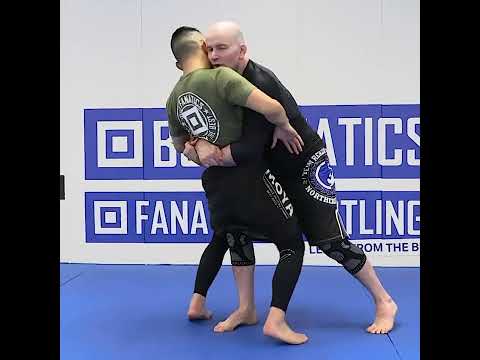
Back Bend Takedown by John Danaher https://bjjfanatics.com John Danaher teaches how to do the Back Bend takedown Jiu Ji…
Translation: body-lock takedown to back
Modern MMA clinchwork technique. [1]
Core MMA clinch technique. [1]
MMA clinch methodology. [1]
Used in UFC and professional MMA competition
No images yet for this technique.
Sign in to suggest an image.
Back Bend Takedown by John Danaher https://bjjfanatics.com John Danaher teaches how to do the Back Bend takedown Jiu Ji…
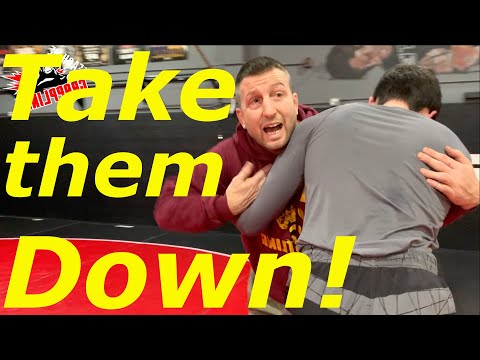
This video I teach my morning class a basic series I like from the pummel position. Check out the details and you are s…
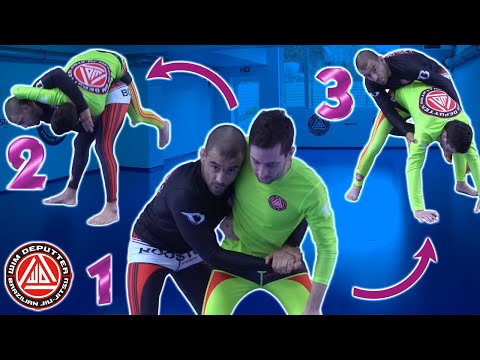
Hip Throw Setup And Back Take Combo From Body Lock - In this video I go for over some options from the Body Lock positio…
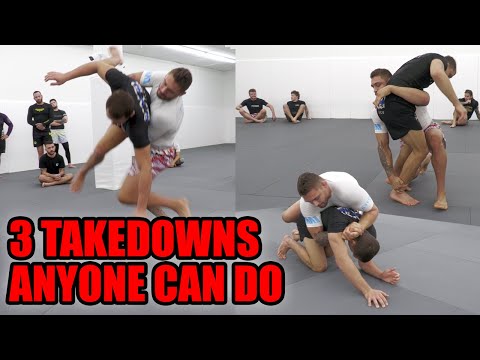
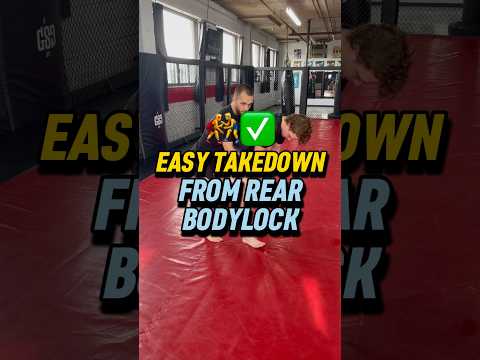
Nicky Rodriguez shows a couple of takedown options from the rear standing body lock that anybody can do. Instructional…
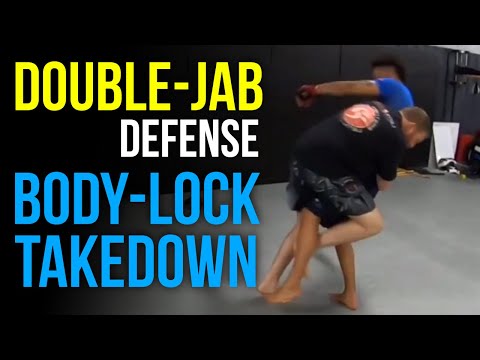
The double jab punch combination is one of the most effective punching attacks to setup the cross or other strikes. L…
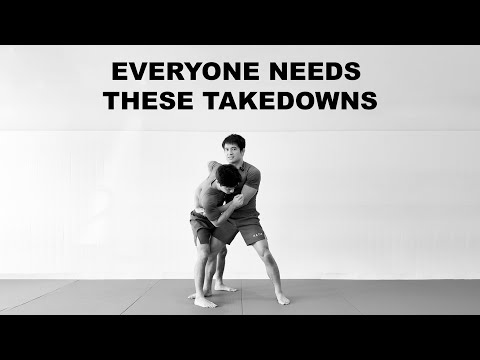
When building skills in the standing position, the first place every practitioner should start is the body lock takedown…
The body-lock takedown to back is a fundamental clinch technique executed from a double-under or rear body-lock position, with instructors emphasizing distinct entry and finishing methodologies. Coach Brian (TeachMeGrappling) stresses the importance of pummeling to secure the double-under grip, maintaining an upright posture with elbows flared to prevent headlock vulnerability, and using either an S-grip or palm grip on the back of the neck. He details defensive counters: if the opponent head-blocks, a double snap with both hands to the shoulders can transition into a headlock, while if they drop their elbows, a hip-drop bear hug becomes viable. Wim Deputter (BJJ) approaches the technique through hip-throw mechanics, emphasizing head-inside-neck positioning and hip connection to avoid faceplants, then transitioning to back control by walking forward while maintaining waist grip. The B-Team's Nicky Rod demonstrates practical breakdown methods: stepping in front of the opponent's knee to place hands on the mat, then circling to break them down, before transitioning to a half-guard position to attack the back and chokes. He also shows a suplex variation with deeper hand placement and hip insertion. TRITAC Martial Arts presents the technique as a reactive response to striking defense, using parry entries followed by body lock and leg trip mechanics before ground-and-pound application. All instructors agree on maintaining close hip connection and controlling the head during execution, though they diverge on grip specifics, entry angles, and post-takedown positioning.
Synthesized from 4 instructors
No instructional courses yet for this technique.
Sign in to suggest a course.
Risk of injury to the person this technique is applied to
Clinch technique with control emphasis
Skill level needed to execute this technique reliably
Whether this technique is allowed under major competition rule sets
Mixed Martial Arts: The Book of Knowledge (Penn, Cordoza & Krauss, 2007)
description, historyOrigin: sourced from Penn, B
description, historyOrigin: sourced from Penn, B
Strong neck and grip
Good body control
The body lock to back take — instead of completing the takedown to top position, the attacker maintains the body lock and drags the opponent down while taking the back. Combines takedown and back control in one sequence. (MMA competition records; BJJ instructionals)
According to Kata Jiu Jitsu, reaching your chest forward is the biggest mistake—it leaves you vulnerable to your opponent stepping in front and blasting you. Instead, keep your posture upright and controlled.
Kata Jiu Jitsu emphasizes you should pull yourself into your opponent, not pull them to you. This preserves their posture upright and gives you better control as you step your hips in.
Bring your hips in close, then pop with your hips while bumping your rear leg forward to lift their feet off the ground. Once their feet lift, shelf them onto your rear leg and control the descent.
Kata Jiu Jitsu stresses that learning how to fall properly and not be stiff is the most critical and overlooked part of takedown training. Without this foundation, training partners often get anxious and defensive during live takedown work.
The Body-Lock Takedown to Back combines a body-lock takedown with an immediate back-take, maintaining the body lock throughout the descent and transitioning directly to back control.
Modern MMA clinchwork technique.
Unified MMA: legal — Legal — clinching is integral to MMA; IJF: legal — Legal — kumi-kata (grip fighting) is fundamental to judo; IBJJF: legal — Legal — standing grip fighting and clinch work permitted; IFMA: legal — Legal — the clinch is a core element of Muay Thai, clinch dominance is highly…; WBC/Boxing: restricted — Holding is technically a foul — referee breaks clinch, excessive holding resu…; K: restricted — 1/GLORY — One attack from clinch allowed, then referee breaks; WAKO: restricted — Clinch generally broken by referee — limited or no clinch fighting in most fo…; UWW: legal — Legal — clinch is fundamental to wrestling, the primary position in Greco-Roman
Danger rating 4/10. Clinch technique with control emphasis
The standard setup chain: Striking range → Clinch → Body-Lock Takedown to Back.
Standard counters include: Underhook / Knee / Separation.
Common variants: Against cage; Open space.
Used in UFC and professional MMA competition
Top errors to watch for: Losing head position / Over-extending.
The Body-Lock Takedown to Back is also known as Body-Lock Takedown to Back, Body Lock to Back Take.