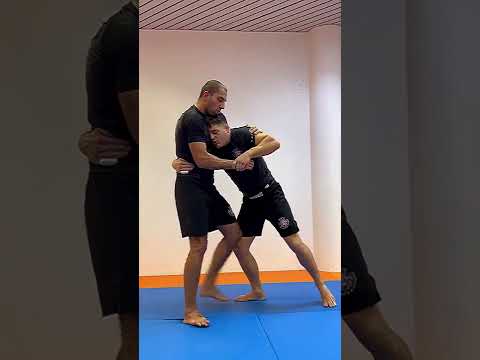
Body Fold Takedown Entry Details Gracie Jiu Jitsu Self Defense Short
0
Тейкдаун с прегъване на тялото·Peter Mettler Martial Arts
Translation: тейкдаун с прегъване на тялото
Тейкдаунът с прегъване на тялото използва клинча, за да прегъне тялото на противника напред върху поставен крак, събаряйки го на земята. [1]
Документирано от Ренцо Грейси и Джон Данахър в рамките на техния систематичен подход към джиу-житсу. [1]
Основна техника по грапъл, доказана на най-високо ниво. [1]
Грейси джиу-житсу; линия на Ренцо Грейси. [1]
Използван в UFC и професионални MMA състезания
No images yet for this technique.
Sign in to suggest an image.
sorry i have perental controls just sad ps i used to do it the gracie way
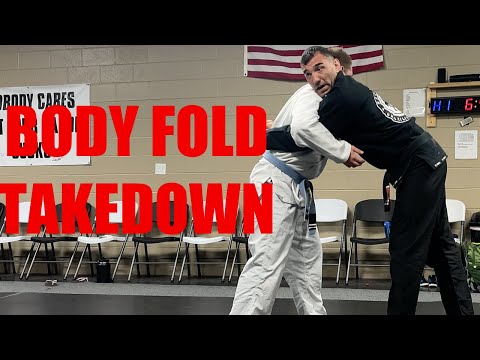
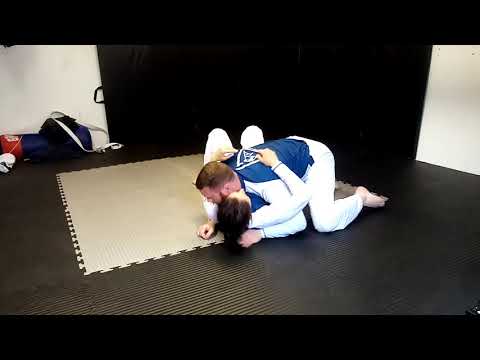
How to setup and use the basic body fold takedown
Rotation 3 - Intermediate - Clinch (brown stripe) - TSP program
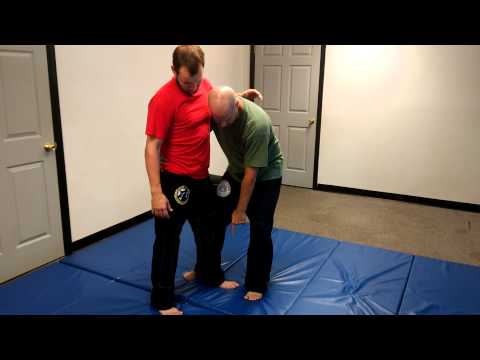
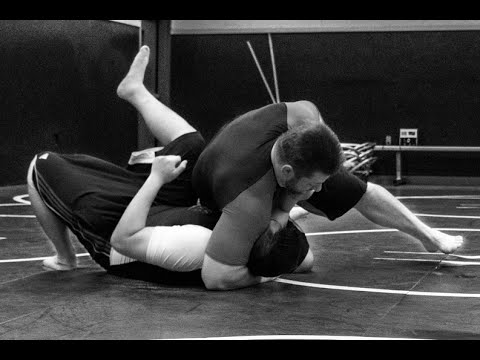
Body Fold - The First throw my 3 time Olympic Competitor Wrestling Trainer showed us. Utmost control, zero risk, perfect…
Andy and Elwira practice the fight simulation drill from lesson 14 of the Gracie Combatives program.
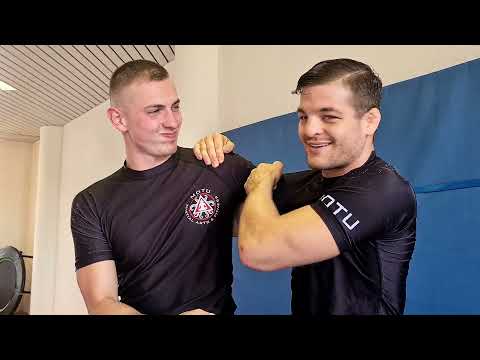
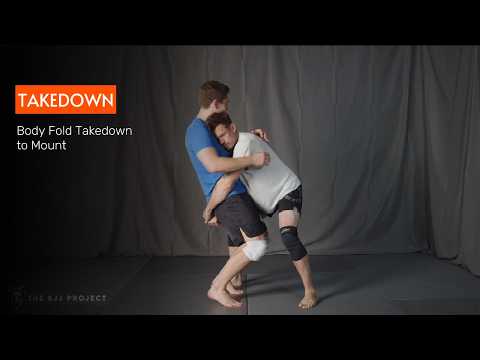
Body fold takedown from double unders - structure-based control to mount for BJJ. No strength required, focuses on prope…
M.G.C. Self-Defense Lesson #14: Body Fold Takedown
The body fold takedown is a fundamental clinch takedown executed from an over-under grip position, where the practitioner secures one underhook and one overhook on the opponent. According to Bigger is Better, the technique works best when the opponent stands their ground rather than pushing forward, making it preferable to hip tosses in certain defensive scenarios. The execution begins by pummeling to establish a secure two-handed grip across the opponent's back or by connecting hands around the torso. From PlayColeGRACIEJJ's perspective, the technique is particularly effective when the opponent attempts to punch, as their natural lean-back creates the body arch needed for the fold. The practitioner then drops their level, pulls the opponent's hips close, and uses their shoulder and chest to fold the opponent's upper body backward while maintaining hip contact, ultimately passing to mount position. Peter Mettler Martial Arts emphasizes the importance of maintaining contact from head to toe, stepping with the knee positioned near the opponent's heel, and keeping an upright posture to prevent the opponent from using head control as a counter. The leg placement is critical—the knee behind the standing leg drives into it to control balance. All instructors agree that proper hand positioning (shovel or Indian grip behind the back), tight hip connection, and controlled backward driving motion are essential, though they emphasize different entry details and situational applications.
Synthesized from 4 instructors
No instructional courses yet for this technique.
Sign in to suggest a course.
Risk of injury to the person this technique is applied to
Позиционна техника
Skill level needed to execute this technique reliably
Whether this technique is allowed under major competition rule sets
Mastering Jujitsu (Gracie & Danaher, 2003)
description, historyOrigin: sourced from Gracie, R
description, historyOrigin: sourced from Gracie, R
Добър хват и контрол над тялото
Peter Mettler explains that stepping around and bending forward is the most common mistake—when you're bent forward, your opponent can grab your head and take you down. Instead, maintain an upright position and stability so that if your opponent tries to grab your head and bend you, they cannot because you're too stable.
Peter Mettler recommends using a shovel grip, pulling behind your opponent's back lock and then pulling their hip towards your hip for very good control. The BJJ Project emphasizes using a monkey grip rather than a C-clamp or gable grip, as flared elbows will compromise your position if your opponent pushes back.
The BJJ Project teaches that you must lock up the hip line at the tailbone and never rely on just hugging the waist—if your opponent pushes their butt back while you're only hugging the waist, you will lose control. Additionally, keep your head position on their crosshairs (ear to their shoulder) and add weight downward into their feet to prevent them from stepping backward.
The BJJ Project stresses that you want the takedown first, then the mount, making sure you end up in the middle of your opponent's body rather than on their hips or shoulders. This positioning prevents you from ending up with their feet in front of you and ensures you secure a strong mounted position.
Тейкдаунът с прегъване на тялото използва клинча, за да прегъне тялото на противника напред върху поставен крак, събаряйки го на земята.
Документирано от Ренцо Грейси и Джон Данахър в рамките на техния систематичен подход към джиу-житсу.
Унифицирани правила за MMA: легална — Разрешено — клинчът е неразделна част от MMA; IJF: легална — Разрешено — куми-ката (борба за хват) е фундаментална за джудото; IBJJF: легална — Разрешено — борбата за хват в изправена позиция и работата в клинч са позволени; IFMA: легална — Разрешено — клинчът е основен елемент на Muay Thai, доминацията в клинча се о…; WBC/Бокс: ограничена — Задържането технически е нарушение — съдията разбива клинча, прекомерното зад…; K: ограничена — 1/GLORY — Разрешена е една атака от клинч, след което съдията разбива; WAKO: ограничена — Клинчът се разбива от съдията — ограничен или никакъв клинч бой в повечето фо…; UWW: легална — Разрешено — клинчът е фундаментален за борбата, основна позиция в гръко-римск…
Оценка на опасност 3/10. Позиционна техника
Стандартната верига за подготовка: Клинч → Тейкдаун с прегъване на тялото.
Стандартните контри включват: Изправена стойка / Стек / Удушване „Фон Флю.
Чести варианти: Стандартен тейкдаун с прегъване на тялото.
Използван в UFC и професионални MMA състезания
Основни грешки, за които да внимавате: Лош хват / Бързане с техниката.
Тейкдаун с прегъване на тялото е известна също като Body Fold Takedown, Прегъване от клинч, Предно подпъхване.