Introduction to the Body Fold Takedown
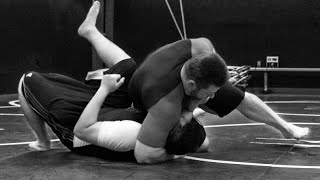
The body fold takedown is an effective alternative to the hip toss, particularly when an opponent resists by maintaining distance or backing away. While hip tosses work well against forward pressure, the body fold addresses scenarios where the opponent keeps their hips withdrawn.
Understanding the Over-Under Position
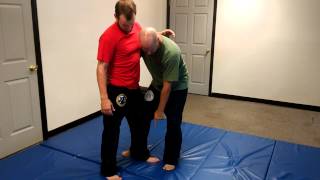
The over-under position is a neutral 50/50 grip where each athlete has one underhook and one overhook on their opponent. In the gi, practitioners can grip the belt with the overhook for stability and control. This position creates natural opportunities for both hip tosses and body fold takedowns.
The Limitations of Hip Tosses
Hip tosses are most effective when an opponent drives forward into the practitioner. When an opponent stands their ground, keeps their hips away, or retreats, the hip toss becomes difficult to execute since the practitioner must first stop their backward movement and close distance.
Securing Double Underhooks Through Pummeling
From the over-under position, transition to double underhooks by pummeling. Keep the underhook side tight during the pummeling exchange to prevent the opponent from re-pummeling. Swim both hands inside and connect them together at the opponent's back.
Positioning and Hip Connection
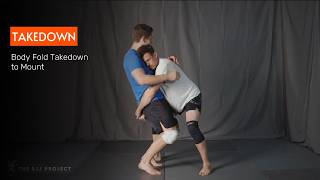
After securing the grip, choose a side and step in that direction while driving the grip across to the opponent's far hip. Position the head in the center of the opponent's chest, then pull them close and tuck the hips in tightly for maximum control and leverage.
Executing the Takedown
Drive backwards using leg power and head pressure while maintaining the tight hip connection. The motion should be controlled and folding in nature, bringing the opponent to the ground by compressing them backwards against the practitioner's body.
Safe Hand Placement on Mat Contact
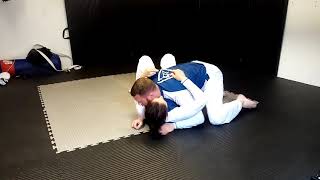
As contact with the mat approaches, separate the hands to avoid crushing the fingers between bodies. The hands should base out lightly for balance and stability without reaching or extending the arms, which could result in arm injuries during the landing.
Body Fold Takedown
Key Takeaways
- •Introduction to the Body Fold Takedown
- •Understanding the Over-Under Position
- •The Limitations of Hip Tosses
- •Securing Double Underhooks Through Pummeling
How to setup and use the basic body fold takedown
Frequently Asked Questions
What does this video teach about body fold takedown?
This video covers introduction to the body fold takedown, understanding the over-under position, the limitations of hip tosses. It provides detailed instruction from Bigger is Better.
How long does it take to learn body fold takedown?
The basic mechanics can be understood in a single session, but developing reliable execution requires consistent drilling over weeks of practice. This 7-part breakdown helps structure your training by isolating each phase of the technique.
What are the key details for finishing body fold takedown?
Drive backwards using leg power and head pressure while maintaining the tight hip connection. The motion should be controlled and folding in nature, bringing the opponent to the ground by compressing them backwards against the practitioner's body.