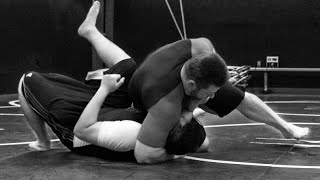
Introduction to the Body Fold Takedown
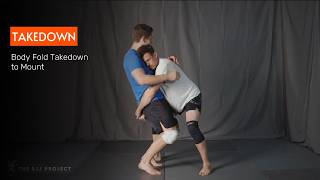
The body fold takedown serves as a reliable alternative to the leg hook takedown when an opponent attempts to punch from the clinch position. This technique exploits the natural arch that occurs when an opponent leans back to create distance for a punch, allowing the practitioner to amplify this backward fold and drive them to the ground.
Clinch Setup and Hand Positioning
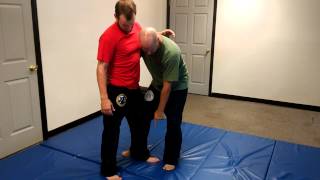
From the clinch, the practitioner maintains their head position facing inward while positioning their hips slightly to the outside. One hand wraps the opponent's waist while the front hand secures the opponent's back wrist using a thumbless grip, establishing complete upper body control.
Lowering Level and Creating the Fold
The practitioner drops their level slightly while maintaining upper body stiffness, using the shoulder and chest to fold the opponent's upper body backward. Simultaneously, the hands pull the opponent's pelvis inward, creating a controlled backward arc that breaks their balance past the 45-degree angle.
Completing the Transition to Mount
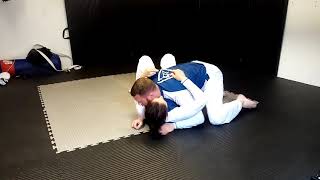
As the opponent collapses, the practitioner steps through and releases, sliding directly into full mount position. The practitioner avoids falling backward like a tree; instead, they sit down deliberately to control the descent and maintain pressure throughout the transition.
Partner Responsibilities During Execution
The partner receiving the technique must actively contribute by leaning back slightly while maintaining core strength, ensuring the practitioner executes the move rather than relying on passive falling. This approach develops proper technique and prevents unnecessary strain on either partner.
Proper Body Mechanics and Injury Prevention
The fold should engage the entire body—not just the arms—with the shoulders and upper body driving the movement rather than the neck. Practitioners must avoid using their head to force the fold, as this strains the neck muscles and compromises technical efficiency.
Solo Drilling and Technique Integration
When drilling alone, the practitioner establishes body control with one hand on the opponent's chest while keeping hips close, then executes the full-body fold followed by the step-through into mount. This slow-motion practice develops the smooth, coordinated movement necessary for effective application.
Tactical Application and Timing
The body fold takedown is most effective when the opponent actively attempts to punch, as this timing amplifies the natural backward arch and reduces their defensive capability. The technique's speed and efficiency make it ideal for catch-and-counter scenarios in live training.
Fallback Options and Technique Interchangeability
If the body fold fails to develop—often due to the opponent maintaining a narrow stance—the practitioner can immediately transition into the leg hook takedown. Both techniques work synergistically from the clinch, with the body fold offering speed and the leg hook providing reliability.
Body Fold Takedown(GRACIE WAY)
Key Takeaways
- •Introduction to the Body Fold Takedown
- •Clinch Setup and Hand Positioning
- •Lowering Level and Creating the Fold
- •Completing the Transition to Mount
sorry i have perental controls just sad ps i used to do it the gracie way
Frequently Asked Questions
What does this video teach about body fold takedown?
This video covers introduction to the body fold takedown, clinch setup and hand positioning, lowering level and creating the fold. It provides detailed instruction from PlayColeGRACIEJJ.
How long does it take to learn body fold takedown?
The basic mechanics can be understood in a single session, but developing reliable execution requires consistent drilling over weeks of practice. This 9-part breakdown helps structure your training by isolating each phase of the technique.
What are the key details for finishing body fold takedown?
The body fold takedown is most effective when the opponent actively attempts to punch, as this timing amplifies the natural backward arch and reduces their defensive capability. The technique's speed and efficiency make it ideal for catch-and-counter scenarios in live training.