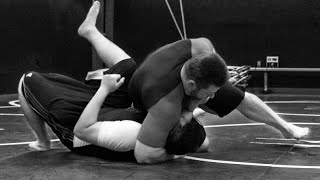
Introduction to the Body Fold Takedown
The body fold takedown is one of the most fundamental throws in wrestling and grappling arts. Wrestling coaches teach this technique to beginners first because of its simplicity and effectiveness. It requires minimal falling knowledge and can be executed with gentle control over the opponent.
Hook Position and Hand Placement
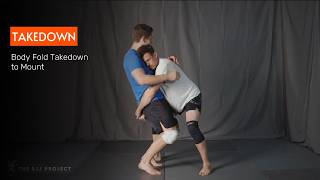
The technique begins with securing one underhook and one overhook on the opponent. The underhook is positioned under one arm while the overhook goes over the opposite arm. The hands are then locked together firmly to establish control.
Initial Entry and Chest-to-Chest Contact
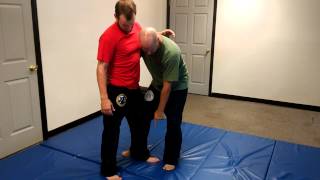
The practitioner steps in close to the opponent with their face near the chest, maintaining an upright posture. Contact must be maintained from head to toe with minimal gaps in the control structure. Pushing with the chest rather than the shoulders creates better leverage for the entry.
The Folding Mechanism
Once locked in position, the knee behind the opponent's leg drives into their standing leg to initiate the fold. The hips press in close while bending the opponent forward, destroying their base and balance. When the opponent loses structure, the front leg is brought to the back while maintaining grip pressure.
Foot Placement and Positioning
The stepping foot should be placed directly behind the opponent's heel, allowing the knee to drive inward for leg control. Common mistakes include stepping too far in (opening counters like uchimata) or not stepping in enough (losing control). Proper foot positioning is critical to executing the technique cleanly.
Grip Mechanics and Locking
The arm lock should cinch above the elbow to prevent the opponent from pulling free. A shovel grip behind the back is preferred, with the hands clasped without finger interlock to avoid injury. The grip pulls the opponent's hips toward the attacker's hips, creating total body control.
Completion and Takedown Execution
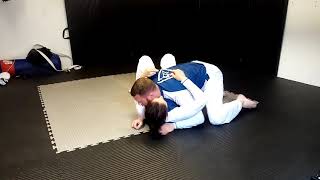
The practitioner drives their knee forward while simultaneously bending the opponent and stepping out. The technique concludes by laying the opponent down on their side with controlled weight distribution. The knee position blocks the opponent from escaping as pressure builds throughout the movement.
Key Advantages and Versatility
The body fold takedown is incredibly low-risk and requires minimal commitment from the attacker. It provides a platform to transition into numerous other throws and submissions. This technique represents one of the most important foundational throws in Greco-Roman wrestling and should be among the first techniques every grappler masters.
Body Fold Takedown - Greco Wrestling Body Lock Basic Take Down for BJJ Grappling MMA
Key Takeaways
- •Introduction to the Body Fold Takedown
- •Hook Position and Hand Placement
- •Initial Entry and Chest-to-Chest Contact
- •The Folding Mechanism
Body Fold - The First throw my 3 time Olympic Competitor Wrestling Trainer showed us. Utmost control, zero risk, perfect setting up follow up throws, easy to fall, quick execution. Check it out. 😎💪
Frequently Asked Questions
What does this video teach about body fold takedown?
This video covers introduction to the body fold takedown, hook position and hand placement, initial entry and chest-to-chest contact. It provides detailed instruction from Peter Mettler Martial Arts.
How long does it take to learn body fold takedown?
The basic mechanics can be understood in a single session, but developing reliable execution requires consistent drilling over weeks of practice. This 8-part breakdown helps structure your training by isolating each phase of the technique.
What are the key details for finishing body fold takedown?
The practitioner drives their knee forward while simultaneously bending the opponent and stepping out. The technique concludes by laying the opponent down on their side with controlled weight distribution. The knee position blocks the opponent from escaping as pressure builds throughout the movement.