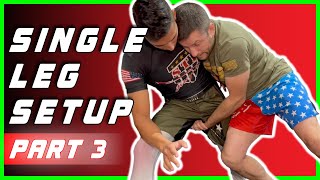
Introduction to the Blast Double
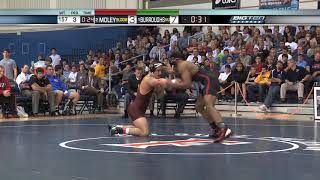
Instructor Bryan Peterson introduces Miguel Mota, a former high school wrestler who competed at Stanford and now trains Brazilian Jiu-Jitsu as a brown belt under Tim Dawson and Matt Miller at High Noon Jiu-Jitsu in Alexandria, Virginia. Mota is known for his proficiency with the blast double leg takedown, a technique popularized by Olympic wrestler Jordan Burroughs.
Defining the Blast Double Technique
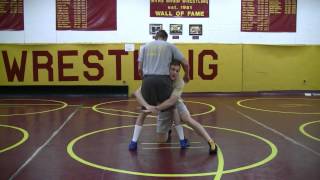
Peterson clarifies that the blast double is not simply an explosive double-leg takedown, but rather a specific technique with distinct mechanics. The key distinction is that the blast double positions the shooter's head in the opponent's torso, creating a safer entry that minimizes exposure to guillotine chokes compared to traditional double-leg shots.
Safety Advantages in Jiu-Jitsu
The blast double is favored in Brazilian Jiu-Jitsu because it protects the shooter from submission counters if the takedown fails. Unlike traditional doubles where the head extends outside the opponent's frame and becomes vulnerable to guillotines or Kimura attacks, the blast double keeps the head buried in the opponent's midsection, blocking these counter-attacks.
Setup and Initial Entry
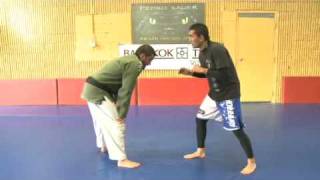
The technique begins from a square stance at proper range, with the shooter able to touch the opponent. The setup involves knocking the opponent's hands down to disrupt their posture, then dropping level and driving the knee forward while placing the head into the opponent's stomach area.
Explosive Execution and Drive
Once positioned, the shooter executes an explosive upward burst that drives the opponent backward onto their heels. After this initial blast disrupts the opponent's balance, the shooter continues driving forward to complete the takedown. If the initial entry fails, the shooter can reset and attempt the shot again or transition to alternative attacks.
Commitment and Momentum
The blast double requires full commitment once initiated—partial or hesitant execution compromises the technique's effectiveness. The continuous momentum of the blast prevents the opponent from establishing defensive controls, as the shooter's driving pressure keeps the opponent off-balance throughout the movement. Stopping mid-shot negates the protective advantages that make this technique valuable in submission-heavy environments.
Avoid Submissions with a BLAST Double Leg Takedown!
Key Takeaways
- •Introduction to the Blast Double
- •Defining the Blast Double Technique
- •Safety Advantages in Jiu-Jitsu
- •Setup and Initial Entry
PLEASE Click this link to SUPPORT the TeachMeGrappling Channel!!! https://www.patreon.com/TeachMeGrappling or https://www.paypal.me/CoachBrianPeterson Your contribution is much appreciated and will help me continue to bring you content! 🙏 www.NextLevelGuy.com The NextLevelGuy Podcast with Coach Brian Peterson has been released!! Check it out! http://teachmegrappling.com This video one of my high school wrestlers from 20 years ago, Miguel Matta, demonstrates a blast double leg takedown. Check out the details and you are sure to find something useful! Enjoy! If you have any questions, comments, or suggestions, please comment below. More videos to come! Please like, share, and subscribe!!
Related Techniques
Frequently Asked Questions
What does this video teach about blast double?
This video covers introduction to the blast double, defining the blast double technique, safety advantages in jiu-jitsu. It provides detailed instruction from TeachMeGrappling Coach Brian.
How long does it take to learn blast double?
The basic mechanics can be understood in a single session, but developing reliable execution requires consistent drilling over weeks of practice. This 6-part breakdown helps structure your training by isolating each phase of the technique.
What are the key details for finishing blast double?
Once positioned, the shooter executes an explosive upward burst that drives the opponent backward onto their heels. After this initial blast disrupts the opponent's balance, the shooter continues driving forward to complete the takedown. If the initial entry fails, the shooter can reset and attempt the shot again or transition to alternative attacks.