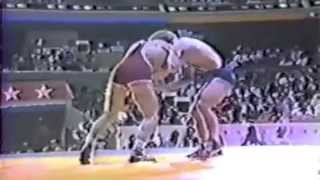
The Double Leg as Setup
A common misconception in takedown training is expecting the double leg to finish every attempt. The instructor compares successful takedown work to boxing fundamentals: just as a jab serves primarily as a setup for combinations rather than a knockout tool, the double leg functions as an entry point that may require transitioning to secondary techniques based on opponent response.
Level Change and Penetration
Proper double leg execution begins with lowering the center of gravity before engagement rather than bending forward at the waist. The lead leg penetrates deeply between the opponent's legs while driving through with full power, maintaining leverage and forward momentum throughout the movement.
Basic Finish and Angle Adjustments
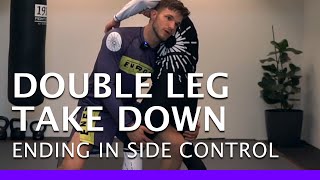
When executing a basic double leg, the shooter should drive hard and attempt to catch the opponent's foot with the shoulder leading backward. If resistance occurs or the initial finish fails, driving at angles while maintaining position prevents being trapped underneath the opponent's weight, which would severely compromise escape options.
Body Lock Setup Double
An alternative entry strategy involves targeting a body lock grip as the primary objective rather than committing fully to the double leg. This approach allows the shooter to secure advantageous control even when the opponent successfully defends the leg attack, enabling transitions to upper body throws and alternative takedowns.
Lift Double Leg Mechanics
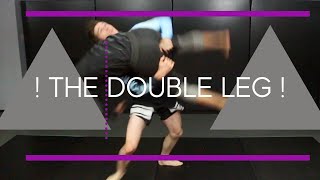
The lift variation emphasizes gripping placement below the opponent's buttocks rather than mid-thigh, preventing leg separation and sprawl defenses. The shooter rises explosively through the hips while maintaining close contact, driving the opponent upward before controlling the descent—a movement pattern that builds neural pathways for consistent level changes.
Recovery and Combination Training
When an opponent successfully sprawls against the double leg, the shooter should immediately transition to an over-under control position rather than retreat. This habit develops through repetitive drilling and positions the shooter to immediately chain secondary takedowns, eliminating the defensive gap created by failed initial attempts.
Maintaining Offensive Geometry
If the double leg does not result in a takedown, the shooter must maintain the space covered during entry and avoid backing away from the opponent. Continuing to pursue position through upper body control prevents surrendering the offensive advantage gained through the initial penetration, keeping takedown options available.
Double Leg Takedown
Key Takeaways
- •The Double Leg as Setup
- •Level Change and Penetration
- •Basic Finish and Angle Adjustments
- •Body Lock Setup Double
Pedro Sauer Brazilian Jiu-jitsu Black Belt and Collegiate Wrestler, Coach Chris Wells shares his understanding of the Basic Double Leg Takedown and it's application to MMA, Submission Wrestling and BJJ. Learn more at: http://damagecontrolmma.com/wrestlings-jab-the-basic-double-leg-takedown/
Related Techniques
Frequently Asked Questions
What does this video teach about high double leg?
This video covers the double leg as setup, level change and penetration, basic finish and angle adjustments. It provides detailed instruction from TakingItToTheMMAT.
How long does it take to learn high double leg?
The basic mechanics can be understood in a single session, but developing reliable execution requires consistent drilling over weeks of practice. This 7-part breakdown helps structure your training by isolating each phase of the technique.
What are the key details for finishing high double leg?
When an opponent successfully sprawls against the double leg, the shooter should immediately transition to an over-under control position rather than retreat. This habit develops through repetitive drilling and positions the shooter to immediately chain secondary takedowns, eliminating the defensive gap created by failed initial attempts.