Inverted Heel Hook Setup from Cage Control
When landing in a position near the cage, the practitioner controls the opponent's legs while maintaining distance. An inverted heel hook can be executed by spiraling underneath the opponent's guard while keeping their legs extended away from their body, preventing them from establishing a stronger defensive position.
Wizard Counter Dynamics and Run-the-Pipe Mechanics
The wizard—a common single-leg counter where the opponent applies downward pressure on the attacking leg—paradoxically makes the run-the-pipe finishing technique more effective. When the opponent tightens their wizard grip, the connection point at the back of the armpit allows the attacker to rotate their hips underneath, causing the opponent to fall forward and completing the takedown.
Stance Width and Defensive Balance
An opponent maintaining wide feet preserves their balance and makes run-the-pipe execution more difficult, as their center of gravity remains stable even when one leg is elevated. Conversely, when an opponent's feet are positioned close together, the attacker's hip rotation during run-the-pipe destabilizes their balance and guarantees a takedown.
Leg Positioning and Kani Basami Vulnerability
The sideways hip position used during single-leg takedown attempts creates a susceptibility to the Kani Basami (scissor takedown), where the opponent places their leg behind the attacker's leg to trip and initiate a leg lock. To mitigate this risk, the attacker maintains an open hip position rather than pinching the knees, which provides better overall pressure and base stability.
Level Change and Hip Pressure Execution
From the hook position, the attacker drops their hips toward the opponent's knee while maintaining relaxed hands, using body weight to apply pressure between the opponent's knees. The hips move underneath any attempted seal, after which the attacker stands and lifts the opponent out of the clinch before executing the final takedown.
Fence Positioning Strategy
While practicing against the fence or wall, the attacker should pull the opponent away from these barriers before completing the takedown. The fence provides additional leverage points for bottom positions to escape or defend, so removing this advantage ensures cleaner technique and prevents the opponent from using the wall to establish better defensive positions.
Double-to-Single Leg Transition
When the opponent maintains a wide stance that prevents double-leg execution, the attacker transitions to a single-leg attack by securing a hook around the leg. If the opponent defends the wrist, the attacker breaks this grip, re-establishes the hook, and proceeds with the level change and lift sequence to complete the takedown.
Combination Training and Positional Flow
Proficiency with multiple techniques—even just two complementary moves—creates an effective offensive game, as the opponent cannot predict which technique will be attempted. Practitioners should develop smooth transitions between techniques like the double and single leg, allowing them to adapt to defensive responses and maintain offensive momentum.
Run the Pipe off the CAGE... Part 3
Key Takeaways
- •Inverted Heel Hook Setup from Cage Control
- •Wizard Counter Dynamics and Run-the-Pipe Mechanics
- •Stance Width and Defensive Balance
- •Leg Positioning and Kani Basami Vulnerability
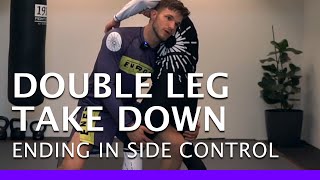
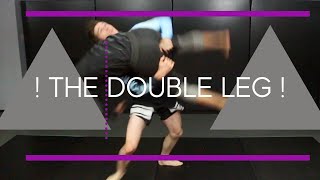
This video is part 3 of showing my guys a single leg with a running the pipe finish when you push your opponent against a cage or wall. Now we go to a double leg. Check out the details and you are sure to find something useful! Enjoy! If you have any questions, comments, or suggestions, please comment below. More videos to come! Please like, share, and subscribe!! PLEASE Click this link to SUPPORT the TeachMeGrappling Channel!!! https://www.patreon.com/TeachMeGrappling or https://www.paypal.me/CoachBrianPeterson To purchase TMG or PG Merchandise go to... https://www.petersongrapplers.com/shop Your contribution is much appreciated and will help me continue to bring you content! 🙏 www.NextLevelGuy.com The NextLevelGuy Podcast with Coach Brian Peterson has been released!! Check it out!
Related Techniques
Frequently Asked Questions
What does this video teach about run-the-pipe double?
This video covers inverted heel hook setup from cage control, wizard counter dynamics and run-the-pipe mechanics, stance width and defensive balance. It provides detailed instruction from TeachMeGrappling Coach Brian.
How long does it take to learn run-the-pipe double?
The basic mechanics can be understood in a single session, but developing reliable execution requires consistent drilling over weeks of practice. This 8-part breakdown helps structure your training by isolating each phase of the technique.
What are the key details for finishing run-the-pipe double?
When the opponent maintains a wide stance that prevents double-leg execution, the attacker transitions to a single-leg attack by securing a hook around the leg. If the opponent defends the wrist, the attacker breaks this grip, re-establishes the hook, and proceeds with the level change and lift sequence to complete the takedown.