Foundation: Distance and Positioning
Effective double leg execution begins with establishing proper distance—the shooter must be close enough to touch the opponent. If too far away, the opponent has time to recognize the shot and defend with a sprawl. Maintaining contact distance eliminates the defender's reaction window.
Pre-Shot Setup and Hand Control
Before initiating the takedown, the shooter uses wrestling fundamentals such as snaps, pops, and chops to set up the opponent. Hand placement is critical, with both hands targeting the back of the kneecaps during the shot. Shooting too high allows the opponent to sprawl effectively, while knee-level contact prevents defensive hip escape.
The Penetration Step
The penetration step is the initial forward drive between the opponent's feet, designed to achieve deep hip and leg contact. This step, combined with a level change, generates momentum that forces the opponent backward before the shooter's hands even make contact. Proper penetration creates positional advantage through body pressure alone.
Power Leg Positioning and Drive
The trailing leg must remain coiled and ready to generate explosive power, similar to a compressed spring. If the back leg is dragged too far behind during the shot, the shooter loses driving power and cannot finish the takedown. The back leg should stay loaded to enable a powerful drive through the finish.
Head Position and Directional Control
Head positioning directly influences the opponent's balance and direction. Rather than looking down or to the side, the shooter should turn their head to read the opponent's back, which simultaneously rotates their torso and shifts the opponent's weight. This head turn creates an off-balance condition and establishes the direction of the drive.
The Y-Pattern Drive and Finish
The finishing drive follows a Y-shaped pattern: the shooter penetrates straight in, turns their head (and hips), then drives perpendicular to the initial entry. This change of direction compounds the opponent's instability. The shooter maintains contact on the back of the knees throughout, taking small steps to maintain control and power until the opponent is driven to the mat.
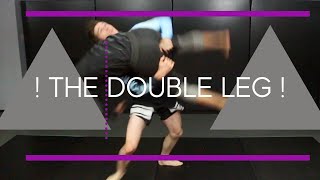
Double Leg Takedown Tutorial
Key Takeaways
- •Foundation: Distance and Positioning
- •Pre-Shot Setup and Hand Control
- •The Penetration Step
- •Power Leg Positioning and Drive
www.cumulussport.com Step by step instructions on how to execute a wrestling double leg takedown.
Related Techniques
Frequently Asked Questions
What does this video teach about low double leg?
This video covers foundation: distance and positioning, pre-shot setup and hand control, the penetration step. It provides detailed instruction from Alex Nicholes.
How long does it take to learn low double leg?
The basic mechanics can be understood in a single session, but developing reliable execution requires consistent drilling over weeks of practice. This 6-part breakdown helps structure your training by isolating each phase of the technique.
What are the key details for finishing low double leg?
Head positioning directly influences the opponent's balance and direction. Rather than looking down or to the side, the shooter should turn their head to read the opponent's back, which simultaneously rotates their torso and shifts the opponent's weight. This head turn creates an off-balance condition and establishes the direction of the drive.