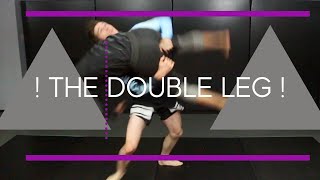
Introduction to the Double Leg Takedown
The double leg takedown is presented as one of the highest-percentage takedowns across wrestling, Brazilian Jiu-Jitsu, grappling, and MMA. The instructor emphasizes that despite common misconceptions, the technique should not result in the opponent ending up in the practitioner's closed guard.
Entry and Base Positioning
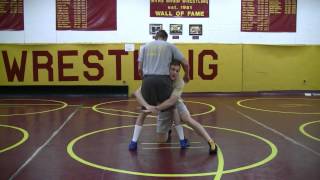
Proper entry requires closing the distance and dropping through the hips and knees to get below the opponent's base, rather than bending forward from a distance. The practitioner should maintain a low, strong base similar to a deadlift position to effectively lift even larger or stronger opponents.
Leg Grip and Control
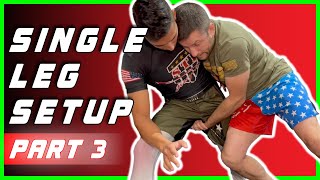
Rather than closing hands around the buttocks—which allows the opponent to extend their leg and sprawl—the practitioner should grip the back of the knees or clasp the hands low on the legs. This positioning prevents the opponent from stepping backward and escaping.
Head Positioning and Steering
The head should be placed underneath the opponent's armpit rather than on the hip to avoid facial injury if the takedown fails. Head placement is critical for steering the opponent—placing the head to one side while pulling the legs in the opposite direction causes the opponent to pivot in the air.
Finishing Position and Follow-Through
After lifting and steering, the practitioner must follow with their body weight rather than remaining on their knees, ultimately landing in side control. The complete sequence involves shooting in, lifting, steering the head, and falling through with the body as one continuous motion.
Variation for Low-Base Opponents
Against opponents with a naturally low base and straight back, a deeper knee entry is required, with the front knee dropping to the mat. From this position, the practitioner leans toward the opposite side while stepping out laterally to complete the takedown into side control.
Execution from Knee Entry Position
When shooting from a knee entry against a lowered opponent, the practitioner steps to one side, leans their body weight toward the opposite direction, and pulls the opponent's legs to complete the takedown. This variation allows penetration under the opponent's low base while maintaining control.
Double leg takedown
Key Takeaways
- •Introduction to the Double Leg Takedown
- •Entry and Base Positioning
- •Leg Grip and Control
- •Head Positioning and Steering
Double leg takedown. Today we'll be showing you a well known takedown: the double leg! Check the added info in the comments! Chapters: 0:00 - Start 0:39 - Concepts & mechanics 1:58 - Head placement 2:40 - Basic double leg 3:13 - Low shoot variation 4:30 - More ! Remember to put on notifications to receive an update anytime we drop a new video ! To become a Patron, support our channel ánd receive special rewards, click on this link: https://www.patreon.com/Energia_martialarts?fan_landing=true To check out our gear go to: https://www.energia-martialarts.com/gear Instruction: Tum Energia Assisting: Yaniek van Aken Video and editing: Arjuna Beuger Music: Mr. Ortiz #doubleleg #takedown #energiamartialarts #bjj #submissiongrappling #mma #brazilianjiujitsu #UFC
Related Techniques
Frequently Asked Questions
What does this video teach about snatch double?
This video covers introduction to the double leg takedown, entry and base positioning, leg grip and control. It provides detailed instruction from Energia Martial Arts.
How long does it take to learn snatch double?
The basic mechanics can be understood in a single session, but developing reliable execution requires consistent drilling over weeks of practice. This 7-part breakdown helps structure your training by isolating each phase of the technique.
What are the key details for finishing snatch double?
Against opponents with a naturally low base and straight back, a deeper knee entry is required, with the front knee dropping to the mat. From this position, the practitioner leans toward the opposite side while stepping out laterally to complete the takedown into side control.