Grip Variation Overview
The instructor demonstrates a specific grip variation of the double underpass guard pass. This variation represents the fundamental approach taught when the instructor began training in Brazilian Jiu-Jitsu as a white belt ten years prior.
Guard Breaking Foundation
The initial step requires breaking the opponent's guard. The practitioner must avoid passing under each arm sequentially to prevent being caught in a triangle choke, instead moving under both arms simultaneously and locking them together.
Problems with Traditional Double Underpass
The traditional double underpass becomes problematic against experienced opponents who create distance by scooting backward and anchoring their knees to the mat as the passer moves underneath. This defensive response makes it difficult to establish the locked arm position needed to complete the pass.
Hip Elevation Priority
The key modification prioritizes lifting the opponent's hips off the ground before attempting to lock the arms together. This sequence prevents the opponent from creating space by extending their knees outward or scooting away from the passer.
Grip Options for Hip Control
The passer can secure the hips using multiple grip options: the belt, pant material, or upper thigh. Grabbing the upper thigh is preferred because if the opponent pushes their knees outward defensively, it actually facilitates easier hip elevation.
Finishing Sequence - Collar Control
After establishing hip control and stacking the opponent, the passer opens the collar grip and secures a cross-body collar grip with the thumb pressed tightly against the neck. The opposite hand cups the hip to maintain control during the finish.
Driving and Turning Mechanics
The passer drives the opponent's knee toward their face while turning the shoulder down, creating pressure on the neck and hip. This driving motion is particularly important against flexible opponents where turning alone may be insufficient to complete the pass.
Post-Pass Foot Positioning
After successfully passing the guard, the passer maintains active foot pressure by keeping the toes engaged with the mat rather than relaxing them. Continued forward pressure with the feet prevents the opponent from escaping and helps the passer maintain positional control.
Double Under Guard Pass
Key Takeaways
- •Grip Variation Overview
- •Guard Breaking Foundation
- •Problems with Traditional Double Underpass
- •Hip Elevation Priority
www.chewjitsu.net www.derbycitymma.com A small grip change on the old but still very useful, double under pass..
Related Techniques
Frequently Asked Questions
What does this video teach about double under pass?
This video covers grip variation overview, guard breaking foundation, problems with traditional double underpass. It provides detailed instruction from Chewjitsu.
How long does it take to learn double under pass?
The basic mechanics can be understood in a single session, but developing reliable execution requires consistent drilling over weeks of practice. This 8-part breakdown helps structure your training by isolating each phase of the technique.
What are the key details for finishing double under pass?
The passer drives the opponent's knee toward their face while turning the shoulder down, creating pressure on the neck and hip. This driving motion is particularly important against flexible opponents where turning alone may be insufficient to complete the pass.
Related videos
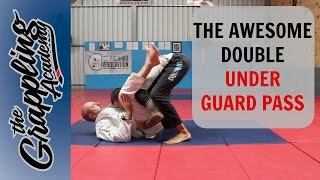
The GREAT DOUBLE UNDER Guard Pass!
The Grappling Academy
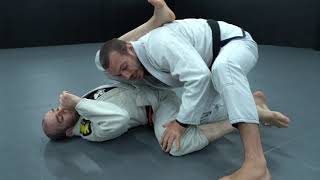
Over under pass (Lachlan Giles)
Absolute MMA St Kilda - Melbourne
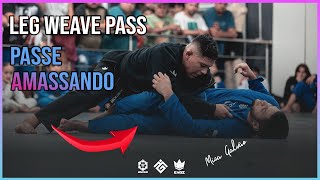
Leg Weave Pass
MICAEL GALVÃO
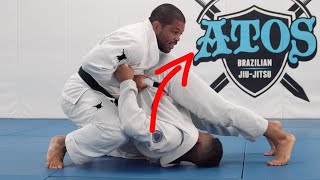
Basic Stack Pass to Flow Pass - Andre Galvao
Atos Jiu-Jitsu HQ | World's Best BJJ Academy - Home Page
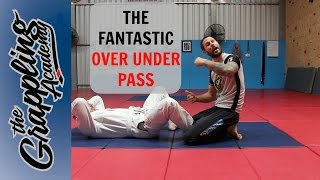
A Fantastic PASS - The OVER UNDER Pass!
The Grappling Academy