Introduction: Riposte Strategy for Short Fencers
The instructor addresses the specific challenges short fencers face when executing a riposte from a parry of tierce. Due to their shorter reach, the conventional high riposte above the opponent's blade is mechanically disadvantageous. The focus shifts to finding optimal riposte angles that leverage the fencer's natural positioning.
Physical Limitations and Blade Geometry
Short fencers encounter difficulty executing a riposte above the sword level, particularly when targeting the chest. The geometric constraints of reach and arm extension make this approach inefficient relative to taller opponents. Understanding these limitations is essential for developing effective alternatives.
The Low-Line Riposte Advantage
The optimal solution for short fencers is to execute the riposte below the sword level while maintaining proper body position. This lower-line approach maximizes reach efficiency and reduces the mechanical strain of extension. Positional control remains critical throughout this movement.
Mechanical Execution and Blade Control
The riposte requires precise transition mechanics from initial parry contact to the attack phase. The fencer must manage the blade movement in a controlled manner to prevent the opponent's sword from finding the inside line. Maintaining external blade pressure throughout ensures tactical advantage.
Transition Management: Late to Mid Contact
The critical phase occurs during the transition from late parry contact to mid-distance attack positioning. The instructor emphasizes maintaining control of the opponent's blade position, keeping it on the outside throughout the movement. This blade management prevents the opponent from executing a counter-parry or remise.
Practical Application and Opponent Dynamics
When executed correctly, the low-line riposte becomes significantly easier against opponents who respond predictably after their attack. Most opponents naturally attempt to recover to a standard defensive position, creating opportunities for the short fencer's riposte. This technical approach accounts for both biomechanical realities and tactical timing.
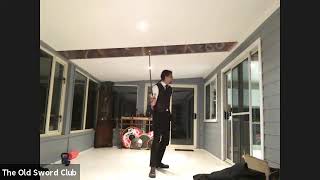
Riposte from the parry of tierce for a short fencer
Key Takeaways
- •Introduction: Riposte Strategy for Short Fencers
- •Physical Limitations and Blade Geometry
- •The Low-Line Riposte Advantage
- •Mechanical Execution and Blade Control
In this video, I analyze a specific problem: how a short fencer can conveniently riposte below the sword, from the parry of tierce
Frequently Asked Questions
What does this video teach about parry of tierce?
This video covers introduction: riposte strategy for short fencers, physical limitations and blade geometry, the low-line riposte advantage. It provides detailed instruction from Carlo Parisi.
How long does it take to learn parry of tierce?
The basic mechanics can be understood in a single session, but developing reliable execution requires consistent drilling over weeks of practice. This 6-part breakdown helps structure your training by isolating each phase of the technique.
What are the key details for finishing parry of tierce?
The critical phase occurs during the transition from late parry contact to mid-distance attack positioning. The instructor emphasizes maintaining control of the opponent's blade position, keeping it on the outside throughout the movement. This blade management prevents the opponent from executing a counter-parry or remise.
Related videos
Parry seconde tierce reposted all
Beth Speedy
Hope Lesson Three: Parry in Tierce vs. Cut
Keith Myers
Hope Lesson Three: Parry in Tierce vs. Thrust
Keith Myers
06 reposting tierce thrust Thrusting sabre livesteam 20 05 2020
The Old Sword Club
04 parries of tierce - Sabre fencing review lesson 03 06 2020
The Old Sword Club