How to Pass Half Guard and Go Straight to Mount with Henry Akins
0
Half Mount Pass·Bernardo Faria BJJ Fanatics
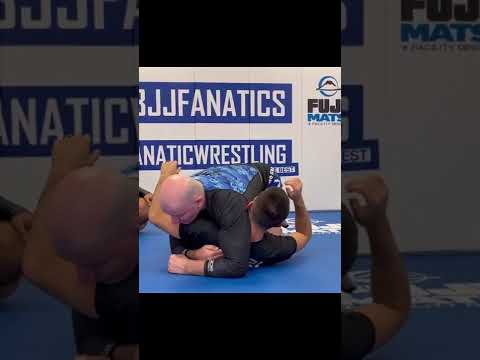
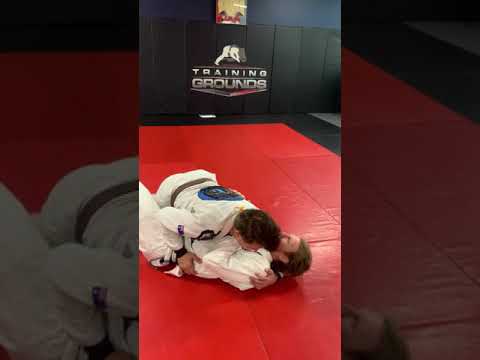
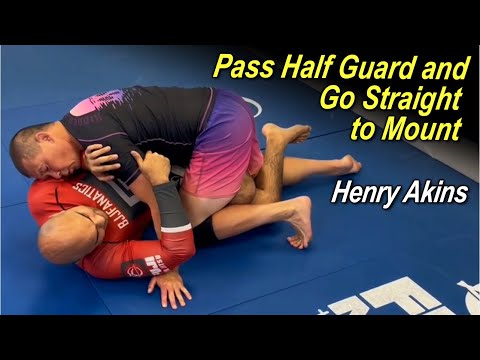
How to Pass Half Guard and Go Straight to Mount - Henry Akins demonstrates How to Pass Half Guard and Go Straight to Mo…
Translation: преминаване от полумаунт
Преминаването от полумаунт е техника за пасиране на гард, при която атакуващият се придвижва от полумаунт (където е почти преминал гарда, но единият му крак все още е захванат) към пълен маунт или странична контрола. [1] Рибейро демонстрира вариацията с кръстосване на коляното. [1]
Преминаването от полумаунт е техника за пасиране на гард, подробно описана в систематичния подход към BJJ на Сауло Рибейро. [1]
Ефективна техника за пасиране на гард, преподавана като част от цялостна система за пасиране. [1]
Методология за пасиране на гард в бразилското жиу-житсу. [1]
Използва се в UFC и в професионалния MMA
No images yet for this technique.
Sign in to suggest an image.
Not yet documented
How to Pass Half Guard and Go Straight to Mount - Henry Akins demonstrates How to Pass Half Guard and Go Straight to Mo…
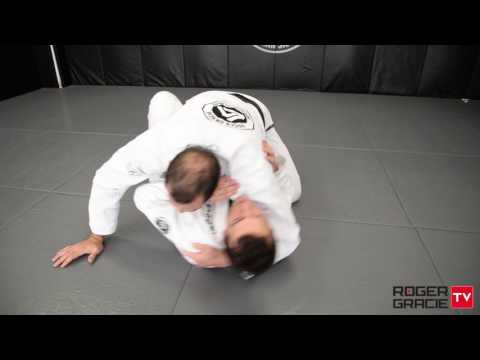
How To Pass Nogi Half Guard by JOHN DANAHER - For The Best BJJ Instructional Videos, Check Out: https://bjjfanatics.com …
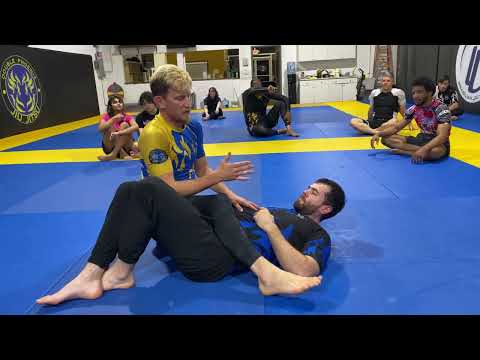
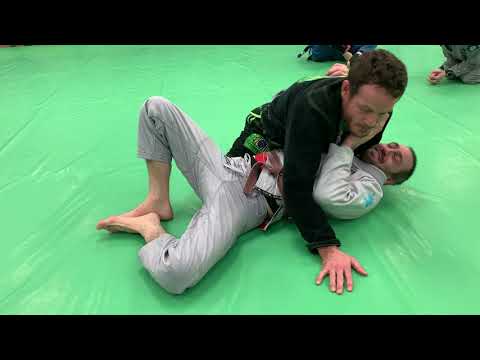
Passing the guard from cross face underhook half guard with the pry pass to the mount. For a free trial class in Sterlin…
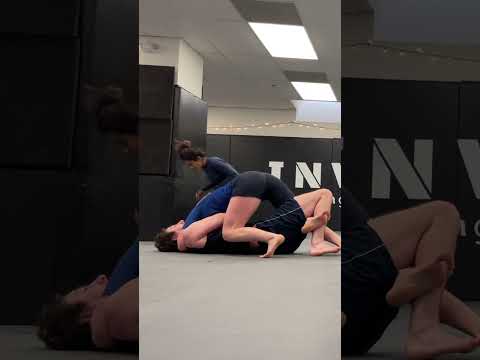
In this video, Oli Geddes demonstrates a simple method for passing the half guard and moving directly to the mount.
✅ BJJ Beginner Course: https://bjjbeginnercourse.com ✅ Jiu-Jitsu Theory Course: https://jiujitsutheorycourse.com 📩 Ne…
Kids bjj syllabus
Often your opponent will feel safe when they manage to insert a butterfly guard hook from their half guard. However, I l…
This half guard BJJ technique is called the Knee Over Half Guard Pass. #realizebjjlife #BJJ #JiuJitsu #nogi ... Rea…
Browse hundreds of different video tutorials (words and video): http://www.bjjpath.com Revolution Brazilian Jiu Jitsu …
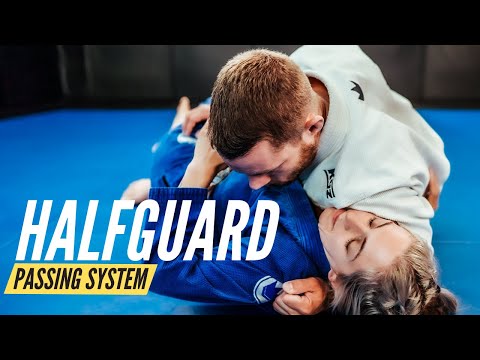
The half mount pass (also called half guard pass) is a fundamental guard-passing technique executed from the top position when one of the passer's legs is trapped in the opponent's half guard. Instructors from Stronger Fitness and Martial Arts, Revolution BJJ, and Jordan Teaches Jiujitsu converge on core principles: establishing shoulder control via crossface to prevent the defender from turning their hips and creating space, combined with either an underhook or hand-on-knee pressure to control the upper body. All three emphasize the two-phase process of first freeing the trapped knee, then freeing the foot. Stronger Fitness prioritizes locking legs initially and using hip pressure while pivoting the shin behind the opponent's knee, transitioning through a butterfly mount position before moving to full mount. Revolution BJJ stresses the crossface as primary control, with the underhook as secondary, recommending lifting the opponent slightly to anchor before driving shoulder pressure across the face. Jordan Teaches Jiujitsu advocates a "hip turn pass" where the passer sits their hips back far to create base and prevent being swept, then uses the shin and pants grip as a wedge to escape the foot. All instructors agree that maintaining constant pressure, controlling the head, and preventing hip recovery are essential; variations emerge in sequencing—whether emphasizing the underhook initially or treating it reactively—and in final positioning (mount versus side control). The technique succeeds through positional pressure and mechanical leverage rather than strength alone.
Synthesized from 4 instructors
No instructional courses yet for this technique.
Sign in to suggest a course.
Risk of injury to the person this technique is applied to
Пасиране на гард — позиционна техника, не удар или задушаване/лост
Skill level needed to execute this technique reliably
Whether this technique is allowed under major competition rule sets
Jiu-Jitsu University (Ribeiro & Howell, 2008)
description, historyOrigin: sourced from Ribeiro, S
description, historyOrigin: sourced from Ribeiro, S
Добра подвижност на ханша и натиск
Баланс
Преминаването от полумаунт се извършва от полугард чрез прекарване на захванатото коляно напред и постигане на пълен маунт. Една от най-разпространените техники за пасиране — атакуващият просто освобождава захванатия си крак. (Ribeiro, Jiu-Jitsu University; основи на BJJ)
Underhook their arm with one hand while placing your other arm behind their head, then clasp your hands together to create solid shoulder pressure into the face. According to Jordan Teaches Jiujitsu, you should grab a solid grip on the head so your partner can't turn their body into you—in no-gi use your middle finger in the armpit, and in gi grab the shoulder material.
Don't shift your weight too much to one side, as this makes it easier to get rolled and harder to maintain pressure. Instead, move your hips out and drop your hip while keeping your weight distributed to maintain control.
Yes. Henry Akins emphasizes that many people only think about passing to side control, but you can often pass directly into mount by collapsing your opponent's frames, swallowing their knee, and then lifting your own knee to transition into the mounted position.
Slide out just enough to get your foot free, but not too far. According to Jordan Teaches Jiujitsu, sliding out too far gives your partner space to re-guard by bringing their bottom knee in and re-establishing half guard or closed guard.
Преминаването от полумаунт е техника за пасиране на гард, при която атакуващият се придвижва от полумаунт (където е почти преминал гарда, но единият му крак все още е захванат) към пълен маунт или странична контрола. Рибейро демонстрира вариацията с кръстосване на коляното.
Преминаването от полумаунт е техника за пасиране на гард, подробно описана в систематичния подход към BJJ на Сауло Рибейро.
IBJJF: легална — Разрешено, пасирането на гарда носи 3 точки; IJF: легална — Разрешено — преминаването покрай краката на противника е част от newaza; ADCC: легална — Разрешено, пасирането на гарда носи 3 точки; Unified MMA: легална — Разрешено; FIAS Sport Sambo: легална — Разрешено
Оценка на опасност 2/10. Пасиране на гард — позиционна техника, не удар или задушаване/лост
Стандартната верига за подготовка: Контрол на хватките → преминаване от полумаунт → установяване на странична контрола или маунт.
Стандартните контри включват: Възстановяване на гард / Рамка и бягство с ханша / Подхват отдолу.
Използва се в UFC и в професионалния MMA
Основни грешки, за които да внимавате: Бързане без контрол върху хватките / Позволяване на противника да възстанови гарда си.
Half Mount Pass е известна също като Half Mount Pass, От полумаунт към пълен маунт.