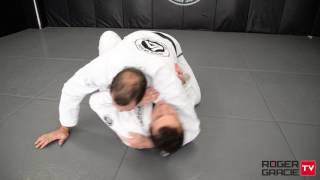
Initial Position and Hip Alignment
Begin in half guard with the top player's hips turned toward the bottom player. The passer should position their knee vertically and walk their toes close to the opponent's buttocks to establish a strong base. Proper hip alignment creates the foundation for executing the pry pass effectively.
Knee Placement Outside the Quad Line
The critical first step is positioning the passing knee outside the opponent's quadriceps line. If the knee remains behind the quad, leg extraction will be impossible until this positional adjustment is made. Use the elbow to help create space and initiate the knee escape.
Pinning the Half Guard Leg
Pin the opponent's leg using pressure from the passer's left knee and upper body weight. Maintain chest pressure against the opponent's face while keeping the passing knee in a vertical orientation. This control prevents the bottom player from adjusting their position.
Circling the Knee to the Outside
Rotate the passer's knee outward in a circular motion while maintaining upper body pressure. Walk the toes progressively closer to the opponent to improve leverage. Once the knee clears the line, the foot naturally pinches against the opponent's leg.
The Hip Lift and Shin Press Sequence
Slightly elevate the hips while applying downward pressure with the shins. Open the knees in a prying motion, then press down and repeat the sequence. This rhythmic lifting and pressing action creates the mechanical advantage needed to extract the leg.
Extracting the Leg and Transitioning to Mount
Once the foot begins to escape, press the shins down firmly and roll the feet outward while slapping the calves for control. The passer maintains balance on the head and chest throughout the extraction. This explosive movement completes the transition to a dominant mount position.
Maintaining Floating and Grounded Knee Position
Keep the right knee elevated off the mat throughout the pass to prevent the opponent from attacking underneath. Maintain the left knee firmly on the mat to anchor the pass and create control. This configuration prevents the opponent from improving their position or creating space.
Defending Against Inside Elbow Placement
If the opponent's elbow drives inside the passer's hip, immediately walk the foot higher and maintain pressure across their face. Keep the hips and knee inside the opponent's arm to prevent elevation. Adjust the hip tilt to counteract any elevation attempts before continuing the pass.
Final Leg Extraction and Mount Control
Once the passing knee clears completely, lift the opponent's elbow while maintaining upper body stability. Perform the final wiggle-and-slap sequence with both feet simultaneously to fully extract the leg. Transition into mount position with a cross-body base to establish dominant control.
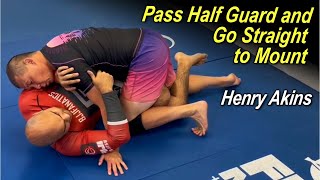
Half Guard Pry pass to mount
Key Takeaways
- •Initial Position and Hip Alignment
- •Knee Placement Outside the Quad Line
- •Pinning the Half Guard Leg
- •Circling the Knee to the Outside
Passing the guard from cross face underhook half guard with the pry pass to the mount. For a free trial class in Sterling VA visit Doublephoenixjj.com
Frequently Asked Questions
What does this video teach about half mount pass?
This video covers initial position and hip alignment, knee placement outside the quad line, pinning the half guard leg. It provides detailed instruction from Double Phoenix Jiu Jitsu.
How long does it take to learn half mount pass?
The basic mechanics can be understood in a single session, but developing reliable execution requires consistent drilling over weeks of practice. This 9-part breakdown helps structure your training by isolating each phase of the technique.
What are the key details for finishing half mount pass?
If the opponent's elbow drives inside the passer's hip, immediately walk the foot higher and maintain pressure across their face. Keep the hips and knee inside the opponent's arm to prevent elevation. Adjust the hip tilt to counteract any elevation attempts before continuing the pass.