Introduction to Seiken Jodan Uke
Seiken jodan uke is a fundamental upper-level block essential to karate defense. This technique combines proper stance work with zenkutsu dachi and integrates seamlessly with offensive techniques like oi tsuki. Mastering this block provides practitioners with reliable head protection against incoming attacks.
Zenkutsu Dachi Foundation
The forward stance (zenkutsu dachi) forms the structural foundation for executing jodan uke with power and stability. Practitioners should position the front knee directly over the ankle with the rear leg extended straight, creating a strong base. Weight distribution should favor the front leg at approximately 60%, allowing for dynamic movement and counterattacking.
Arm Position and Chamber
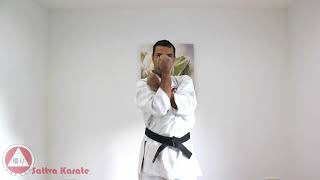
Begin with the blocking arm chambered near the hip, with the fist facing upward and the opposite hand extended forward in a guard position. The blocking arm should travel diagonally upward and across the body, generating power from hip rotation. The chamber phase is critical—tension should build progressively throughout the movement.
Execution and Timing
Execute the block by rotating the hips forward while driving the forearm upward to intercept attacks at head height. The block should meet the incoming strike at approximately a 45-degree angle, deflecting rather than absorbing full impact. Proper timing requires anticipation and awareness of your opponent's distance and intent.
Integration with Oi Tsuki
Immediately following the block, practitioners can transition to oi tsuki (lunge punch) using the same hip rotation and forward momentum. This combination demonstrates the principle of simultaneous defense and counterattack. The natural flow from blocking to striking should be continuous and explosive, minimizing the gap between techniques.
Common Errors and Corrections
Avoid raising the shoulder excessively, which creates tension and slows execution. The block should originate from hip rotation rather than arm strength alone. Maintain proper distance and ensure the blocking forearm remains firm yet relaxed, ready to flow into the next technique.
Repetition and Refinement
Consistent practice through kata and partner drills develops muscle memory and timing precision. Practitioners should focus on maintaining form while gradually increasing speed and power. Regular feedback and self-evaluation ensure the technique remains efficient and effective under realistic training conditions.
Basic Karate Training (Oi Tsuki+Zenkutsu Dachi+Jodan Uke)
Key Takeaways
- •Introduction to Seiken Jodan Uke
- •Zenkutsu Dachi Foundation
- •Arm Position and Chamber
- •Execution and Timing
Frequently Asked Questions
What does this video teach about seiken jodan uke?
This video covers introduction to seiken jodan uke, zenkutsu dachi foundation, arm position and chamber. It provides detailed instruction from The Motodojo Diaries.
How long does it take to learn seiken jodan uke?
The basic mechanics can be understood in a single session, but developing reliable execution requires consistent drilling over weeks of practice. This 7-part breakdown helps structure your training by isolating each phase of the technique.
What are the key details for finishing seiken jodan uke?
Avoid raising the shoulder excessively, which creates tension and slows execution. The block should originate from hip rotation rather than arm strength alone. Maintain proper distance and ensure the blocking forearm remains firm yet relaxed, ready to flow into the next technique.
Related videos
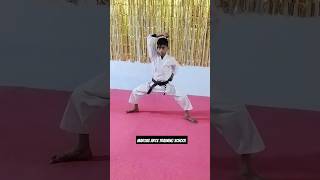
KARATE BLOCK 👊|| HOW TO DO JODAN UKE (UPPER BLOCK) || #karate #worldkaratefederation #block
Martial Arts Training School
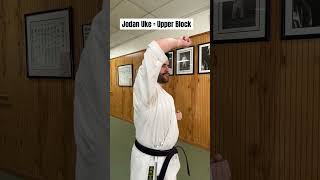
Learn to perform the basic upper block - JODAN UKE! Practice on your own or with a partner! #karate
Okinawa Goju Ryu Karate Do International - OGKI
Jodan Uke - Upper Level Block
Pathways Dojo
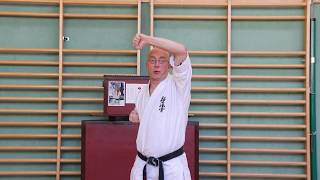
Jodan Uke
OYAMA KARATE Tulln
How to do Jodan Uke / Upper Block - Sattva Karate Goju Ryu
Sattva Karate