Foundation and Stance
The practitioner establishes a stable foundation by adopting a front stance (zenkutsu dachi) with feet shoulder-width apart. The rear hip is squared forward to generate power, while the front knee remains aligned over the ankle. This positioning provides the base necessary for effective upper-level defense.
Guard Position
Both hands are positioned at chest level with elbows bent at approximately 90 degrees. The guard protects the torso while keeping the arms ready for immediate blocking action. The shoulders remain relaxed and slightly elevated to absorb potential impact.
Chamber and Hip Rotation
As the block initiates, the rear hip drives forward powerfully, generating rotational force through the torso. The blocking arm chambers near the ear, with the fist positioned vertically. This hip engagement is critical for creating the necessary power and speed in the technique.
Blocking Arc and Arm Path
The forearm executes a diagonal sweeping motion from the chamber position across the body's centerline. The block travels upward and outward, intercepting attacks directed at the head and upper torso. The arm path should be smooth and economical, avoiding unnecessary circular movements.
Contact Point and Angle
The outer forearm makes contact with an incoming strike, angling the opponent's attack safely away from the head. The wrist remains straight and firm throughout impact to prevent joint stress. The blocking angle should redirect force rather than meet it directly head-on.
Completion and Recovery
The block completes with the arm extended slightly beyond shoulder height, with the fist clenched and facing downward. The stance remains grounded and centered, positioning the practitioner to immediately transition into a counterattack. The opposite hand returns to guard position to protect the midsection.
Jodan Uke
Key Takeaways
- •Foundation and Stance
- •Guard Position
- •Chamber and Hip Rotation
- •Blocking Arc and Arm Path
Jodan Uke ist der japanische Begriff für einen Block im Kyokushinkai-Karate.
Frequently Asked Questions
What does this video teach about seiken jodan uke?
This video covers foundation and stance, guard position, chamber and hip rotation. It provides detailed instruction from OYAMA KARATE Tulln.
How long does it take to learn seiken jodan uke?
The basic mechanics can be understood in a single session, but developing reliable execution requires consistent drilling over weeks of practice. This 6-part breakdown helps structure your training by isolating each phase of the technique.
What are the key details for finishing seiken jodan uke?
The outer forearm makes contact with an incoming strike, angling the opponent's attack safely away from the head. The wrist remains straight and firm throughout impact to prevent joint stress. The blocking angle should redirect force rather than meet it directly head-on.
Related videos
Basic Karate Training (Oi Tsuki+Zenkutsu Dachi+Jodan Uke)
The Motodojo Diaries
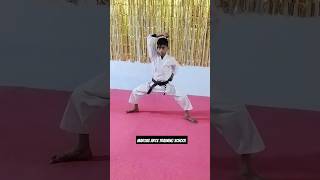
KARATE BLOCK 👊|| HOW TO DO JODAN UKE (UPPER BLOCK) || #karate #worldkaratefederation #block
Martial Arts Training School
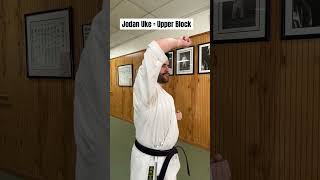
Learn to perform the basic upper block - JODAN UKE! Practice on your own or with a partner! #karate
Okinawa Goju Ryu Karate Do International - OGKI
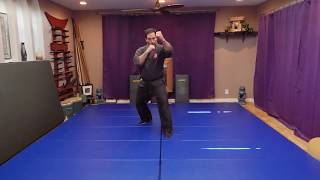
Jodan Uke - Upper Level Block
Pathways Dojo
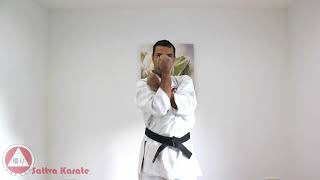
How to do Jodan Uke / Upper Block - Sattva Karate Goju Ryu
Sattva Karate