Lapel Control Mechanics
The lapel grip provides unique control properties distinct from collar and sleeve grips. When pulled, the lapel wraps behind the opponent's back and applies rotational force to the opposite shoulder, rotating the opponent's body rather than simply moving them forward and backward. This rotational control is valuable for managing which direction an opponent can pass the guard.
Comparative Grip Functions
In Brazilian Jiu-Jitsu, collar grips allow both pushing and pulling along the vertical axis. Sleeve grips offer less dynamic control than collar grips, as pushing on the sleeve is less effective than pulling. The pulling mechanic is generally preferred in Jiu-Jitsu, as it opens the opponent's structure and creates opportunities for submissions like triangles and armbars.
Guard Position Prerequisites
The worm guard can be established from most guard variations but is most effectively set up from open guard positions rather than closed guard. Setting up the position requires proper grip control and body positioning before the guard is actually established.
Safe Guard Pulling Technique
When pulling guard with a lapel grip, practitioners should sit down rather than commit to a flying guard pull with the leg placed on the opponent's hip. The sitting guard pull maintains directional control and reduces vulnerability to counter-passes, as the practitioner is not completely reliant on momentum and can adjust position mid-movement.
Initial Worm Guard Setup
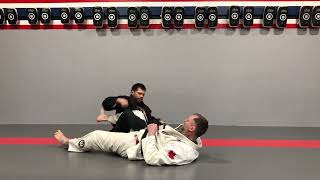
The worm guard is initiated from open guard by gripping the lapel with the same-side hand, establishing distance to prevent ankle picks or low single-leg takedowns. The guard leg swings up and hooks behind the opponent's knee while the lapel grip is transferred to the other hand, passing under the ankle to create the finished position.
Worm Guard Pressure and Posture Control
Once established, the worm guard generates significant postural pressure on the top player, forcing them to post or adjust their base. This position is highly resistant to knee-slide passing attempts, as the leg hook and lapel control prevent the opponent from executing the pass effectively.
Worm Guard 101 - Keenanonline.com
Key Takeaways
- •Lapel Control Mechanics
- •Comparative Grip Functions
- •Guard Position Prerequisites
- •Safe Guard Pulling Technique
Make sure to go sign up and subscribe at http://keenanonline.com/ to learn more great techniques and take your control of your learning and elevate your jiu-jitsu to the next level! Comment below and tell us your thoughts on the video, subscribe to see more videos like this, and to stay up to date with all the latest news, technique videos and lots more, make sure you follow me on the following social media platforms! ➢ Facebook : http://www.facebook.com/KeenanCorneliusFans ➢ Instagram : http://www.instagram.com/keenancornelius (personal) | http://www.instagram.com/keenanonline (website) ➢ Twitter : https://www.twitter.com/keenancornelius ➢ Snapchat : @keenancornelius
Frequently Asked Questions
What does this video teach about worm guard?
This video covers lapel control mechanics, comparative grip functions, guard position prerequisites. It provides detailed instruction from Keenan Cornelius.
How long does it take to learn worm guard?
The basic mechanics can be understood in a single session, but developing reliable execution requires consistent drilling over weeks of practice. This 6-part breakdown helps structure your training by isolating each phase of the technique.
What are the key details for finishing worm guard?
The worm guard is initiated from open guard by gripping the lapel with the same-side hand, establishing distance to prevent ankle picks or low single-leg takedowns. The guard leg swings up and hooks behind the opponent's knee while the lapel grip is transferred to the other hand, passing under the ankle to create the finished position.