Introduction and Context
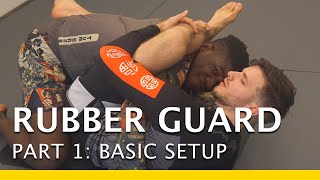
Matt Arroyo of Grace Tampa South addresses a common gap in no-gi grappling knowledge among practitioners who primarily train in the gi. He presents a guard-opening technique that has proven effective even against larger opponents with significant strength.
Grip Control and Neck Defense
In no-gi, the opponent cannot use lapel or sleeve grips but can control the wrists and back of the neck. A rear neck grip is particularly problematic as it prevents postured posture and enables sweeps, so the top player must immediately break this grip by controlling the opponent's arm to the shoulder or swiping it away.
Hand Positioning and Wrist Control
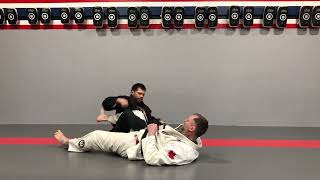
Once postured, the top player sits on their heels with hands inside the opponent's feet while gripping their own wrists, creating pressure through locked elbows. The bottom player will typically grip the wrists, so the top player must break this grip by circling downward toward the thumb rather than pulling away, then immediately re-gripping to prevent re-engagement.
Posturing and Wrist Sequencing
The top player double-grips one wrist and pins it to the opponent's chest to prevent re-gripping, then punches upward and postured with hips forward and head back. Once postured, the top player secures a double grip on the one wrist they intend to maintain control of while freeing the other hand.
Guard Opening Technique
The free hand pushes the opponent's knee toward their hip to create twist and loosen the guard, then slides inside the knee with a completely straight arm. Using core engagement rather than tricep strength, the top player drives downward and forward, controlling both the wrist and knee to open the guard and transition to the next passing movement.
Standing Guard Pass Alternative
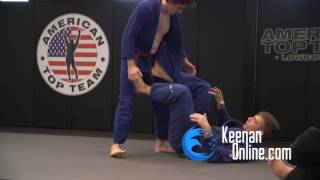
As an alternative to passing from the knees, the top player can stand up while maintaining wrist control, stepping one foot up on the same side as the controlled wrist. The player then drives their elbow as deep as possible toward the opponent's ankle rather than stopping at the knee, which ensures the guard opens before continuing the pass.
Practical Application and Closing
Once the guard opens, the top player steps around the opponent to advance position. This technique is presented as foundational for practitioners developing their no-gi guard passing fundamentals.
Technique Of The Week: How To Open The Guard In No Gi
Key Takeaways
- •Introduction and Context
- •Grip Control and Neck Defense
- •Hand Positioning and Wrist Control
- •Posturing and Wrist Sequencing
http://www.NoGiLibrary.com Matt Arroyo shows how to open the guard the easiest way in no gi. Some people who train only gi have a lot of trouble with this!
Frequently Asked Questions
What does this video teach about open guard?
This video covers introduction and context, grip control and neck defense, hand positioning and wrist control. It provides detailed instruction from Matt Arroyo Jiu Jitsu .
How long does it take to learn open guard?
The basic mechanics can be understood in a single session, but developing reliable execution requires consistent drilling over weeks of practice. This 7-part breakdown helps structure your training by isolating each phase of the technique.
What are the key details for finishing open guard?
As an alternative to passing from the knees, the top player can stand up while maintaining wrist control, stepping one foot up on the same side as the controlled wrist. The player then drives their elbow as deep as possible toward the opponent's ankle rather than stopping at the knee, which ensures the guard opens before continuing the pass.