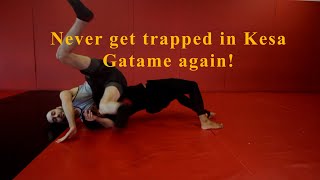
Initial Movement and Hand Control
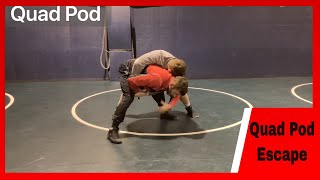
Upon the referee's whistle, the wrestler on bottom must immediately begin moving and locate the opponent's hands. Securing a four-finger grip on each of the opponent's hands is essential, as this is the primary means by which the top wrestler maintains control. The grip should be applied with sufficient pressure to make it uncomfortable for the opponent to maintain their position.
Leg Positioning During Escapes
When executing a switch, the bottom wrestler must kick their legs outward with sufficient distance to prevent the opponent from stepping between them. This positioning is critical regardless of whether the wrestler chooses to switch or stand up, as it directly impacts the viability of the escape attempt.
Maintaining Shoe Contact with the Mat
Continuous contact between the rubber sole of the wrestling shoe and the mat is fundamental to escaping bottom position. The wrestler should use constant foot pressure either to push away from or into the opponent, generating the upward momentum necessary to achieve a standing position. Loss of mat contact through the feet indicates poor positioning and reduced escape potential.
Continuous Offensive Sequences
A single escape attempt should not conclude the bottom wrestler's offensive effort if unsuccessful. Instead, the wrestler must immediately execute follow-up techniques—such as blocking a failed switch and returning to the knees—and continue generating offensive possibilities. This relentless approach prevents the top wrestler from establishing dominance and maintains pressure throughout the exchange.
Creating Space Between Bodies
The fundamental principle of bottom wrestling is that control depends on the top wrestler minimizing space between their hips and the bottom wrestler's hips. By creating even small amounts of separation—such as positioning the hips slightly underneath the body before standing—the bottom wrestler dramatically reduces the opponent's mechanical advantage. Increased space reduces friction and limits the top wrestler's ability to utilize their back muscles, which are the primary source of downward control.
4 Tips for Bottom Wrestling
Key Takeaways
- •Initial Movement and Hand Control
- •Leg Positioning During Escapes
- •Maintaining Shoe Contact with the Mat
- •Continuous Offensive Sequences
in this Video I go over how to be better at bottom position wrestling and some tips for getting out
Related Techniques
Frequently Asked Questions
What does this video teach about wrestling bottom escape?
This video covers initial movement and hand control, leg positioning during escapes, maintaining shoe contact with the mat. It provides detailed instruction from Isaac Gomez.
How long does it take to learn wrestling bottom escape?
The basic mechanics can be understood in a single session, but developing reliable execution requires consistent drilling over weeks of practice. This 5-part breakdown helps structure your training by isolating each phase of the technique.
What are the key details for finishing wrestling bottom escape?
A single escape attempt should not conclude the bottom wrestler's offensive effort if unsuccessful. Instead, the wrestler must immediately execute follow-up techniques—such as blocking a failed switch and returning to the knees—and continue generating offensive possibilities. This relentless approach prevents the top wrestler from establishing dominance and maintains pressure throughout the exchange.