Back Control Fundamentals
Back control is maintained through coordinated leg and arm positioning to prevent the opponent from rotating to face the controller. The primary threat is the opponent's ability to turn sideways or face forward, which must be systematically prevented through specific hook and arm placements.
Hook Placement and Function
Hooks are established by curling the feet inward against the opponent's thighs and hips. The right hook prevents the opponent from turning rightward, while the left hook prevents leftward rotation, creating a mechanical barrier that maintains positional control.
Avoiding Crossed Feet
Crossing the feet while on the opponent's back creates a vulnerability to submission attacks, as the opponent can step over the legs and bridge, potentially injuring the controller's ankle or knee. Maintaining open feet with active hooks is the preferred positioning.
Hip Cross Placement Alternative
When lateral hip movement threatens the hook, positioning one foot across the opponent's hip prevents hip escape while maintaining control. The controller should typically fall to one side and place the corresponding foot across the hip rather than maintaining an upright, centered position.
Seatbelt Arm Configuration
The seatbelt grip consists of one arm threaded underneath the opponent's armpit and the other arm positioned over the shoulder, with hands clasped together. The hand intended for the choke should be covered by the opposite hand to prevent the opponent from peeling it away from the neck.
Underhook Mechanics
The underhook arm is kept tight against the body to prevent the opponent from rotating away or dropping down the spine. This underhook works synergistically with the leg hooks to restrict rotational and lateral movement.
Top Arm Control
The arm positioned over the shoulder prevents upward movement and restricts the opponent from turning toward the controller. Combined with the underhook, this creates a complete positional lock preventing vertical, rotational, and lateral escape.
Head Position and Placement
The controller's head should be positioned on the same side as the underhook and placed close to the opponent's head, ear to ear. This head placement prevents the opponent from swinging their head to escape and creates the proper geometry for choke setups.
Back control
Key Takeaways
- •Back Control Fundamentals
- •Hook Placement and Function
- •Avoiding Crossed Feet
- •Hip Cross Placement Alternative
Full Course Playlist → https://youtube.com/playlist?list=PLDrQXekZsfYZfV1QZ4T5UkxLwFwQ12EbP Find the Introduction course here → https://submeta.io/@lachlangiles/courses/introduction Back control, sometimes simply referred to as ‘the back’, is our most powerful attacking position. Before we learn how to submit from back control we must first understand the basics of controlling the position. In this video, we cover how to control the positions as well as some common mistakes that can help our opponent escape or even submit us. More from Lachlan https://www.submeta.io/@lachlangiles Subscribe to watch a huge range of courses all designed to plan, personalize and optimize your game. Follow SUBMETA https://www.instagram.com/submeta.io https://www.facebook.com/submeta.io
Related Techniques
Frequently Asked Questions
What does this video teach about back position?
This video covers back control fundamentals, hook placement and function, avoiding crossed feet. It provides detailed instruction from Absolute MMA St Kilda - Melbourne.
How long does it take to learn back position?
The basic mechanics can be understood in a single session, but developing reliable execution requires consistent drilling over weeks of practice. This 8-part breakdown helps structure your training by isolating each phase of the technique.
What are the key details for finishing back position?
The arm positioned over the shoulder prevents upward movement and restricts the opponent from turning toward the controller. Combined with the underhook, this creates a complete positional lock preventing vertical, rotational, and lateral escape.
Related videos
How To Take The Back From A Tight Turtle Position
MMA Leech
Mounted Rubber Guard - 10th Planet Jiu Jitsu
Brandon Mccaghren
Boxing Stance | Learn Long Range vs Short Range Fighting
FightCamp
5 Tips For Fighting At Long Range
Warrior Martial Arts
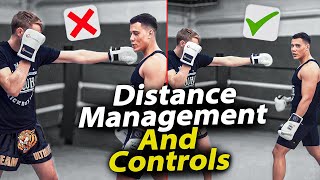
Be A Master Of DISTANCE MANAGEMENT: The Most Important Part Of Fighting | BAZOOKATRAINING.COM
Bazooka Joe Valtellini