Breaking Down a Tight Turtle Position
When an opponent is in a tight turtle position, the top player lacks immediate access to hooks or seatbelt control. To open up the opponent and force a reaction, the practitioner establishes a side-by-side stance with knee beside knee and hip beside hip, keeping the near-side knee off the mat to maintain pressure. This positioning allows the top player to stay mobile and follow the opponent's escape attempts.
Hand Placement and Hip Drag
The top player inserts a hand into the opponent's inner thigh—a space too small for hooks but accessible for control. The practitioner runs the forearm and elbow along the opponent's hip bone, aiming to drag the hip toward the ground. To execute the drag effectively, the top player switches leg positioning to disconnect their hip from the opponent's hip, then uses circular motion with the hand to pull the opponent down.
Securing the Seatbelt Control
As the opponent falls to their hip and bases out with their hands, the top player immediately transitions from the hip drag to a seatbelt grip—one arm underneath the armpit from the inside position. The near-side knee checks the opponent's hip, positioning the top player to capitalize if the opponent returns to turtle. This configuration provides both control and a launching point for the back take.
Hooking as Opponent Goes to Turtle
As the opponent extends their legs to reestablish turtle position, the top player shoots the near hook into the space created by this extension. The practicing player rides through the opponent's hip transition, keeping the knee pressed against the opponent's hip to maintain connection. The foot plants on the ground, providing a base to generate leverage for the back take.
Rolling to Back Control
Once the near hook is secured with seatbelt control, the top player rolls over their shoulder to complete the back take, transitioning the near hook into a bottom hook. The top player works to establish the top hook by extending and crossing the legs, pinching the knees against the opponent's hip and arching the back if the opponent blocks the insertion.
Following Through a Defensive Roll
If the opponent attempts to roll the top player away during the transition, the tight seatbelt grip keeps the top player attached. The top player drives their head between the opponent's head and shoulder, tucking it to follow the roll while covering the opponent's hip with their own body. The outside-leg knee checks the opponent's hip as they roll, maintaining positional control throughout the movement.
Scooping and Repositioning
As the opponent continues to roll, the top player scoops underneath from the inside hook position, pointing the grounded knee upward to drive the opponent through the roll. This scooping motion completes the transition to back control on the opposite side. The entire sequence—from initial breakdown through the roll—flows as one continuous movement executed at speed.
Positional Variations and Contingencies
If the opponent bases out on their hands rather than collapsing to their hip, the top player can apply a gi seatbelt for choke attacks. If the opponent avoids turtle and remains partially on their side, additional back-take techniques become available. Successful back control relies on having either the hook, the seatbelt, or both—each scenario presents different submission and control opportunities.
How To Take The Back From A Tight Turtle Position
Key Takeaways
- •Breaking Down a Tight Turtle Position
- •Hand Placement and Hip Drag
- •Securing the Seatbelt Control
- •Hooking as Opponent Goes to Turtle
Taking the Back from turtle position can be very challenging sometimes, especially when your opponent is playing it very tight, with no room for your seatbelt or hooks to get in. Learn how to take the back from a tight turtle position by applying the 3 techniques demonstrated in this video. Total Back Control Digital Course: https://www.mmaleech.com/totalbackcontrol/ Click Here To Subscribe So You Never Miss A Video ➤ https://bit.ly/2CxCEvi BJJ Courses: https://www.mmaleech.com/best-bjj-instructionals-for-beginners/ Facebook: https://www.facebook.com/mmaleech/ Instagram: https://www.instagram.com/mmaleech/ Free BJJ Mini-Courses: https://www.mmaleech.com/free-stuff/
Related Techniques
Frequently Asked Questions
What does this video teach about back position?
This video covers breaking down a tight turtle position, hand placement and hip drag, securing the seatbelt control. It provides detailed instruction from MMA Leech.
How long does it take to learn back position?
The basic mechanics can be understood in a single session, but developing reliable execution requires consistent drilling over weeks of practice. This 8-part breakdown helps structure your training by isolating each phase of the technique.
What are the key details for finishing back position?
As the opponent continues to roll, the top player scoops underneath from the inside hook position, pointing the grounded knee upward to drive the opponent through the roll. This scooping motion completes the transition to back control on the opposite side. The entire sequence—from initial breakdown through the roll—flows as one continuous movement executed at speed.
Related videos
Back control
Absolute MMA St Kilda - Melbourne
Mounted Rubber Guard - 10th Planet Jiu Jitsu
Brandon Mccaghren
Boxing Stance | Learn Long Range vs Short Range Fighting
FightCamp
5 Tips For Fighting At Long Range
Warrior Martial Arts
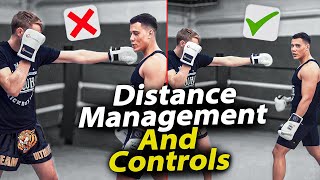
Be A Master Of DISTANCE MANAGEMENT: The Most Important Part Of Fighting | BAZOOKATRAINING.COM
Bazooka Joe Valtellini