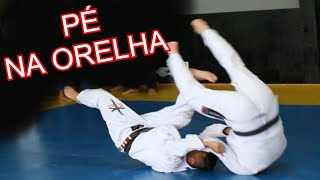
Sacrifice Throws and Tori Mata
Sacrifice throws in judo and jiu-jitsu involve rolling the body down onto the opponent, a category known as Tori Mata. These techniques require the thrower to sacrifice positional advantage temporarily in order to execute a reversal or throw.
Sumi Gaeshi: Corner Reversal
Sumi gaeshi is a corner reversal throw where the word 'gaeshi' refers to rolling backward or executing a rear somersault-type movement. The technique functions as a counter throw, with the thrower rolling backward and reversing the opponent's momentum.
Foot Placement and Body Positioning
In sumi gaeshi, precise foot placement is essential, with the base leg stepping deep and the attacking foot positioned inside the opponent's thigh or crotch area. The thrower maintains a locked, controlled position rather than loose contact, then executes a rounding motion to roll the opponent over the thrower's back.
Hikkomi Gaeshi Definition and Nomenclature
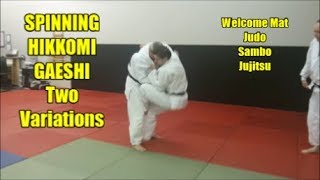
Hikkomi gaeshi, meaning to pull down or pull over, historically shared nomenclature with obi tori gaeshi (belt grab and backward roll). Recent Kodakon standards have clarified that hikkomi gaeshi is the definitive name for this pulling and backward rolling technique.
Georgian Grip Setup
The modern hikkomi gaeshi begins with a Georgian grip—an over-the-shoulder grip on the near shoulder combined with a belt grab. This belt grip provides strong control, and the thrower bends the opponent forward before applying the foot attack.
Arm Trapping and Shoulder Control
After establishing the Georgian grip, the thrower may swim the free arm through and catch the opponent's arm or underhook to trap the shoulder and back securely. This trapping creates additional control of the opponent's upper body before executing the throw.
Foot Attack and Execution
The foot performing the attack typically corresponds to the hand holding the belt grip, though either side can be used depending on positioning. The thrower steps with the attacking foot either inside the thigh or to the side, then drives forward and upward to complete the throw.
Transition to Ground Position
Hikkomi gaeshi transitions efficiently from standing throw to ground control, depositing the opponent directly into a favorable pinning position. This seamless transition makes the technique particularly effective for immediate ground advantage in grappling sequences.
SUMI GAESHI AND HIKKOMI GAESHI A COMPARISON
Key Takeaways
- •Sacrifice Throws and Tori Mata
- •Sumi Gaeshi: Corner Reversal
- •Foot Placement and Body Positioning
- •Hikkomi Gaeshi Definition and Nomenclature
Sumi Gaeshi (Corner Reverse Roll) and Hikkomi Gaeshi (Pull Down Reverse Roll) are similar throws but there are some distinct differences. View hundreds of videos of judo, freestyle judo, Shingitai Jujitsu, sambo, submission grappling and sport jujitsu on our Youtube channel at http://youtube.com/user/welcomematstevescott. The Welcome Mat Judo-Jujitsu Club was founded in 1969. Please subscribe to our Youtube channel if you have not done so already. Visit our web sites at http://www.WelcomeMatJudoClub, http://www.judoblackbelt.com and visit our online store at http://www.WelcomeMatStore.com. Join our premium channel at http://www.grapplingcoach.us. Thank you for watching our video.
Related Techniques
Frequently Asked Questions
What does this video teach about hikkomi gaeshi?
This video covers sacrifice throws and tori mata, sumi gaeshi: corner reversal, foot placement and body positioning. It provides detailed instruction from welcomematstevescott.
How long does it take to learn hikkomi gaeshi?
The basic mechanics can be understood in a single session, but developing reliable execution requires consistent drilling over weeks of practice. This 8-part breakdown helps structure your training by isolating each phase of the technique.
What are the key details for finishing hikkomi gaeshi?
The foot performing the attack typically corresponds to the hand holding the belt grip, though either side can be used depending on positioning. The thrower steps with the attacking foot either inside the thigh or to the side, then drives forward and upward to complete the throw.