Arm Hook Mechanics
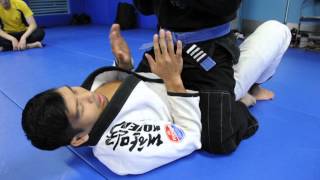
The trap and roll begins with hooking the opponent's arm by coming underneath rather than over the top. The defender hooks with their elbow down and brings their other arm to the back of the opponent's tricep using the palm. This dual-point control prevents the opponent from quickly extracting their arm or catching their weight during the subsequent roll.
Ankle Trap and Body Position
Simultaneously with the arm trap, the defender secures the opponent's ankle while maintaining pressure to prevent the opponent from posting up on their ribs. The defender's knee angles slightly outward to facilitate the trap. All four control points—both arm hooks and ankle trap—are established nearly instantaneously as an integrated sequence.
Hip Lift and Weight Displacement
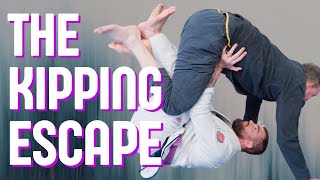
Rather than attempting to roll directly, the defender uses their hips and legs to lift the opponent's weight forward and away from their body. Once the opponent cannot post or catch their weight, the defender can continue the rolling motion to achieve top position. This sequential approach of trapping first, then displacing weight, then rolling is more effective than attempting a direct roll.
Grip Variation: Sleeve and Gi Control
When the opponent's hands are not on the defender, the defender can trap the arm by grabbing the sleeve or gi instead of direct arm hooks. The ankle trap remains essential in all variations. The defender can also use their thigh to knock the opponent forward while maintaining grip control.
Ground Hand Position: Inside Tricep Chop
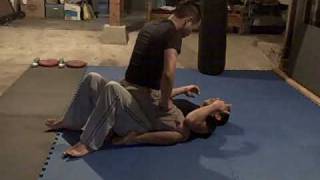
When the opponent's hands are on the ground, the defender hooks the arm from inside the tricep rather than from the outside. The defender should chop this arm control inward while the training partner ensures their wrist is turned to prevent finger or wrist rollover. The defender may sit up slightly during this variation to create better mechanical advantage.
Ground Hand Position: Wide Base Adjustment
When the opponent's hands are positioned wide apart, the defender shifts position before applying the tricep trap. The defender pulls the arm inward before securing it with the same grip sequence as the initial variation. Once the arm is trapped and the ankle is secured, the defender uses a strong arch in the hips to complete the roll.
Arm Behind Head Variation
When the opponent has their arm behind the defender's head while flattening them out, the defender angles out to free the trapped leg first. The defender then uses their head to hold the opponent's arm in place while supporting with their arm. This configuration prevents the opponent from extracting their arm while the defender executes the trap and roll.
Trap & Roll Basics
Key Takeaways
- •Arm Hook Mechanics
- •Ankle Trap and Body Position
- •Hip Lift and Weight Displacement
- •Grip Variation: Sleeve and Gi Control
Learn important details of how to escape mount.
Related Techniques
Frequently Asked Questions
What does this video teach about trap and roll?
This video covers arm hook mechanics, ankle trap and body position, hip lift and weight displacement. It provides detailed instruction from Grapplers Elite.
How long does it take to learn trap and roll?
The basic mechanics can be understood in a single session, but developing reliable execution requires consistent drilling over weeks of practice. This 7-part breakdown helps structure your training by isolating each phase of the technique.
What are the key details for finishing trap and roll?
When the opponent's hands are positioned wide apart, the defender shifts position before applying the tricep trap. The defender pulls the arm inward before securing it with the same grip sequence as the initial variation. Once the arm is trapped and the ankle is secured, the defender uses a strong arch in the hips to complete the roll.