Butterfly Guard Fundamentals Overview
This comprehensive guide covers butterfly guard technique across gi and nogi contexts. Topics include sweep mechanics, grip variations (arm drags, overhooks, underhooks), positional transitions, and submission options. Practitioners of all levels should review this material for complete technical understanding.
Traditional Butterfly Sweep Setup
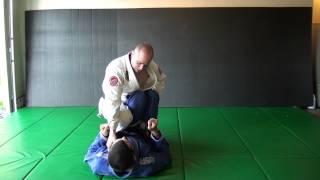
The foundation of butterfly guard requires positioning on the buttocks rather than the back to generate sweep power. The practitioner must establish a 90-degree angle with the opponent and secure a tricep control to prevent hand posting. Deep underhook placement with shoulder underneath the armpit, combined with hip connection, ensures the opponent's weight transfers with the sweeper's movement.
Butterfly Sweep Execution and Leg Mechanics
The majority of sweep power derives from pushing off the mat with one foot while lifting the other. One butterfly hook remains framed on the opponent's leg before centering for mat push-off. The sweeper blocks the opponent's shoulder toward the mat while coming up on knees, completing the technique into top position for pass completion.
Addressing Leg Post Defense
When the opponent posts with their leg during the sweep, the sweeper must block above the knee with a slight forward kick, similar to scissor sweep mechanics. If the opponent's arm remains posted firmly on the mat, lifting their head with the sweeper's head creates space to extract and pull the arm across the body. This removes the posting option entirely.
Elbow Sweep from Underhook
The elbow sweep utilizes a gable grip to control the opponent's shoulder while directing their face toward the mat using the sweeper's flared elbow. Forward hip movement combined with falling to the back generates momentum for the sweep. The gable grip prevents the opponent from posting their arm, making this arguably the most powerful butterfly guard sweep available.
Double Underhook to X Guard Transition
Double underhooks create difficulty for direct sweeps due to the opponent's available posting options on either side. Instead, the sweeper rocks backward, lifts the opponent's hips, and catches a leg while pushing the tricep to unweight the opponent. One foot positions in front of the hip and the other behind the knee, setting up X guard sweep mechanics.
Overhook Guard Control and Triangle Setup
The overhook grip, executed while maintaining butt and side positioning, provides easier connection than underhooks while preventing the opponent from establishing a passing grip. A quick triangle becomes available when the opponent's hand posts on the mat—the sweeper grabs the wrist and brings their leg over the opponent's arm. The traditional sweep functions identically to other butterfly variations once grips are secured.
Arm Drag Mechanics and Foot Positioning
The arm drag begins with removing the butterfly hook before initiating the drag to prevent foot entrapment. Grip fighting for wrist control must precede tricep grip establishment. The sweeper pulls the opponent to an all-fours position, optionally catching their toes on the opponent's shin for maximum control and rolling back attack opportunities.
2-on-1 Grip for Back Take
The 2-on-1 grip, opposite in hand placement to the arm drag, prevents the opponent from postured out. The sweeper scoots forward, rocks back, and rotates the opponent while lifting with hooks to take their back. When the opponent attempts to posture and retreat, the sweeper gains hip access for a double leg takedown alternative.
Butterfly Guard Guide In Gi & Nogi | BJJ Fundamentals
Key Takeaways
- •Butterfly Guard Fundamentals Overview
- •Traditional Butterfly Sweep Setup
- •Butterfly Sweep Execution and Leg Mechanics
- •Addressing Leg Post Defense
✅ BJJ Beginner Course: https://bjjbeginnercourse.com ✅ Jiu-Jitsu Theory Course: https://jiujitsutheorycourse.com 📩 Newsletter: http://jordanteachesjiujitsu.com/newsletter/ ✅ BJJ Games: A Constraints-Led Approach To Grappling: https://playbjjgames.com ✅ Wrestling For BJJ Course: http://wrestlingforbjj.com/ 💥 Kimura Trap Mastery: http://kimuratrapmastery.com ✅ Rides & Escapes Course: https://ridesescapes.com 🏖️ Trinidad & Tobago BJJ Camp: https://www.rollingintobago.com/ 🔥 X-Martial - https://www.xmartial.com/search?q=limitless --- Support my work: ❤️ Patreon: https://www.patreon.com/jordanteachesjiujitsu 👕 Merch: https://limitless-apparel-22.creator-spring.com/ 🥋 BJJ Fanatics: https://bjjfanatics.com/collections/new-releases/products/jordan-teaches-bottom-half-guard-by-jordan-preisinger Social: 💥 Instagram: https://www.instagram.com/jordanteachesjiujitsu/?hl=en 💥 Facebook: https://www.facebook.com/jordanteachesjiujitsu 💥 Facebook group: https://www.facebook.com/groups/jordanteachesjiujitsugroup/ 💥 TikTok: https://www.tiktok.com/@jordanteachesjiujitsu 0:00 bow in for class 00:22 traditional butterfly sweep 00:28 tip: don't be on your back 00:51 force butt off heals 1:07 underhook 2:10 intro 2:25 underhook elbow sweep 2:56 double underhooks to X guard 3:33 double underhooks back breaker 3:48 overhook 4:07 overhook to triangle 4:15 head and arm 4:26 arm drag back take 5:35 high posture to double 5:43 snap down to front choke 5:55 back take 6:05 entry half guard 6:28 loop choke
Frequently Asked Questions
What does this video teach about butterfly pass?
This video covers butterfly guard fundamentals overview, traditional butterfly sweep setup, butterfly sweep execution and leg mechanics. It provides detailed instruction from Jordan Teaches Jiujitsu.
How long does it take to learn butterfly pass?
The basic mechanics can be understood in a single session, but developing reliable execution requires consistent drilling over weeks of practice. This 9-part breakdown helps structure your training by isolating each phase of the technique.
What are the key details for finishing butterfly pass?
The arm drag begins with removing the butterfly hook before initiating the drag to prevent foot entrapment. Grip fighting for wrist control must precede tricep grip establishment. The sweeper pulls the opponent to an all-fours position, optionally catching their toes on the opponent's shin for maximum control and rolling back attack opportunities.
Related videos
What's The Best Way to Pass Butterfly Guard in BJJ ?
Chewjitsu
1/2 Butterfly Pass - Add this to your game!
Brian Glick
Passing Butterfly Guard: THREE (3) Guard Passes from the Knees (No Gi BJJ)
Brian Glick
A BJJ Butterfly Guard Pass So Smooth But Surprisingly Simple
Chewjitsu
BJJ Vault - Butterfly Pass & Omoplata Techniques
BJJ Vault