Introduction to the Surfboard Pass
The surfboard pass is a fundamental Brazilian Jiu-Jitsu technique that repurposes the basic movements learned by white belts. This pass is executed from the butterfly guard position and provides an effective way to advance position while utilizing simple, foundational mechanics.
Technical Foundation: The Modified Technical Standup
The surfboard pass builds on the technical standup, a core movement all practitioners learn early in their training. Instead of posting on the same-side hand and foot and driving backward, the practitioner posts on opposite limbs and drives the body forward over the opponent.
Initial Setup and Hand Fighting
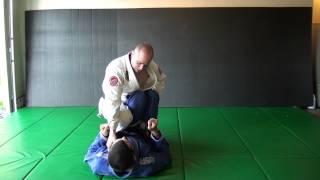
Begin by posting on one foot while controlling the inside of the opponent's arm. Engage in hand and wrist fighting while maintaining a safe distance to avoid triangle submissions. Walk toward the opposite side as the opponent attempts to follow the movement.
Execution: The Leg Drive and Position Transition
As the opponent chases, explosively lift the hips and drive the leg over the opponent's body. The passing leg should slide directly over the opponent's leg while the torso drives forward and upward. This creates the distinctive 'surfboard' motion as the knee rides down the opponent's sternum into knee-on-belly position.
Gi and No-Gi Variations
In the gi, secure the opponent's sleeve to control posture and base during the pass. For no-gi applications, control the inside of the wrist or bicep to maintain grip security. Both variations follow the same fundamental mechanics of the hip drive and leg transition.
Drilling from Stationary Position
To develop the technique, practitioners should first drill the pass statically from the butterfly guard. This allows focus on the hip elevation, leg placement, and proper body positioning without the pressure of an escaping opponent. Once comfortable, practitioners can add resistance and movement.
Finishing in Knee-on-Belly Control
Once the leg clears the opponent's body and the position transitions to knee-on-belly, apply controlled weight distribution. The practitioner can adjust aggression level based on partner safety and training intensity. This control position creates excellent opportunities for submissions or further positional advancement.
A BJJ Butterfly Guard Pass So Smooth But Surprisingly Simple
Key Takeaways
- •Introduction to the Surfboard Pass
- •Technical Foundation: The Modified Technical Standup
- •Initial Setup and Hand Fighting
- •Execution: The Leg Drive and Position Transition
This is one of my favorite Guard Passes in BJJ. And I've called in the Surfboard pass since I learned it. What's great about this pass is the functionality of it mixed with the appearance of being "fancy" or advanced. When in fact, there's not advanced or fancy about it. . . It's literally a technical standup / stand up and base mixed with a forward push to clear the legs. This move came about because recently I posted a video of me and my students rolling. And at some point in the video I hit the Surfboard pass against my student's Butterfly Guard. And I received lots of questions asking what exactly the pass was. As I said, this is one of my favorite Brazilian Jiujitsu guard passes to throw into the mix against an opponent's Butterfly Guard. So if you're looking for a cool Guard pass technique to add into your Brazilian Jiu-jitsu game then I hope this move is useful for you! -Chewy ----------------- Free Ebook: http://www.chewjitsu.net/focused-jiu-jitsu-13-page-ebook/ Video Courses and Products: http://www.chewjitsu.net/products T shirts: http://www.chewjitsu.net/shop/ http://www.Facebook.com/Chewjitsu http://www.instagram.com/Chewjitsu http://www.twitter.com/Chewjitsu Intro/Outtro Music : http://www.thesoundproviders.com/#/ If you’d ever like to train with the team and I. Check out my gym Derby City MMA in Louisville,KY.
Frequently Asked Questions
What does this video teach about butterfly pass?
This video covers introduction to the surfboard pass, technical foundation: the modified technical standup, initial setup and hand fighting. It provides detailed instruction from Chewjitsu.
How long does it take to learn butterfly pass?
The basic mechanics can be understood in a single session, but developing reliable execution requires consistent drilling over weeks of practice. This 7-part breakdown helps structure your training by isolating each phase of the technique.
What are the key details for finishing butterfly pass?
To develop the technique, practitioners should first drill the pass statically from the butterfly guard. This allows focus on the hip elevation, leg placement, and proper body positioning without the pressure of an escaping opponent. Once comfortable, practitioners can add resistance and movement.
Related videos
Butterfly Guard Guide In Gi & Nogi | BJJ Fundamentals
Jordan Teaches Jiujitsu
What's The Best Way to Pass Butterfly Guard in BJJ ?
Chewjitsu
1/2 Butterfly Pass - Add this to your game!
Brian Glick
Passing Butterfly Guard: THREE (3) Guard Passes from the Knees (No Gi BJJ)
Brian Glick
BJJ Vault - Butterfly Pass & Omoplata Techniques
BJJ Vault