Float Passing: Hip Switch Pass
0
Floating Pass·Tarik BJJ
🔗 Links: Follow me on Instagram for more jiu-jitsu content: https://www.instagram.com/tarik_bjj/ Discover top-qualit…
Translation: floating pass
The Floating Pass is a guard passing technique detailed in Saulo Ribeiro's systematic BJJ approach. [1]
Effective guard passing technique taught as part of a comprehensive passing system. [1]
Brazilian Jiu-Jitsu guard passing methodology. [1]
Used in UFC and professional MMA competition
No images yet for this technique.
Sign in to suggest an image.
Not yet documented
🔗 Links: Follow me on Instagram for more jiu-jitsu content: https://www.instagram.com/tarik_bjj/ Discover top-qualit…
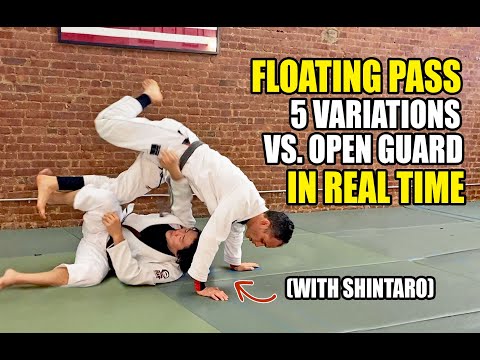
The floating pass is one of our favorite methods of guard passing whenever we can get inside position with a leg from th…
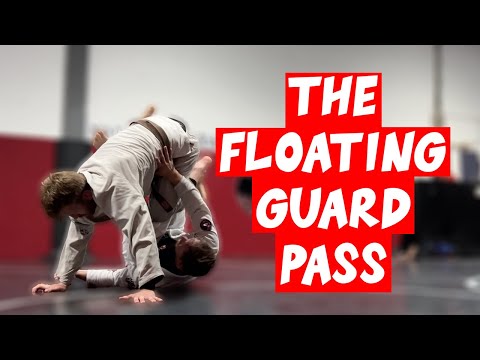
What is the floating guard pass and why do I like it so much? Let's take a look. If you enjoyed this video make sure t…
Don't forget to Subscribe 🤙 www.leviathanacademy.com @leviathan_academy Multiple float passing options
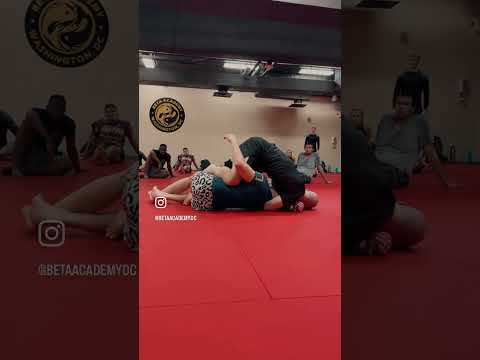
- Technique Of The Week - Floating Pass. With Prof. Chris. Catch his Gi And Nogi class every Saturday morning. 🎥: @sou…
http://www.JiuJItsupedia.com Jeff Glover, JiuJitsupedia contributor demonstrates the advanced floating guard pass which …
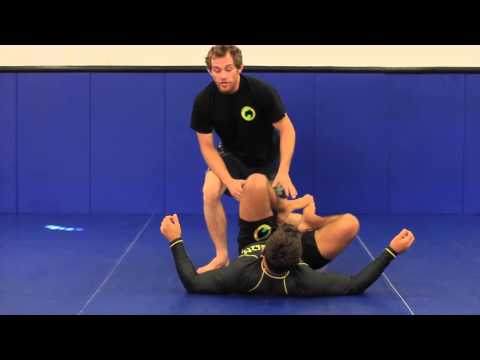
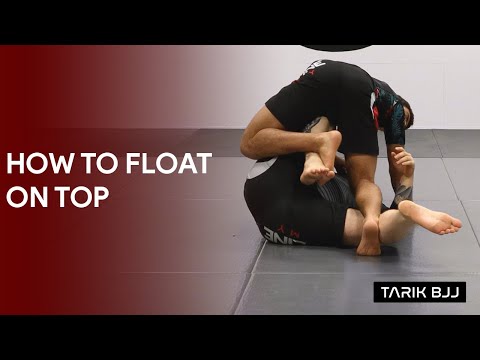
The floating guard pass is an unconventional passing technique where the passer maintains hands on the mat while keeping their legs light and mobile, allowing the defender to elevate and move the passer's hips while the passer simultaneously entangles and manipulates the defender's legs. Tarik BJJ emphasizes the positional setup, describing how the passer transitions from a failed knee-slice or blocked entry into a low, balanced squat position with weight distributed to the hands, then uses shin hooks and leg weaving to transition under the defender's guard before establishing side control. Justin Lesko characterizes floating passing as the inverse of pressure passing—intentionally appearing vulnerable to sweeps while leveraging leg entanglement to ultimately stay on top—noting it works most safely in the gi due to heel hook restrictions. Still Rolling provides systematic detail on leg pummeling mechanics (mirroring hand pummeling for grip fighting) and multiple passing options: hip bumps for quick passes, weaving entries with one leg secured first, windshield-wiper leg positioning to displace the guard, knee-slice transitions with critical underhook placement, and tight clamping strategies against high-level leg-lock threats. All instructors agree the technique requires counterintuitively accepting near-sweep positions while maintaining composure and base, and that practitioners can abandon the float and return to pressure passing if opportunities don't materialize.
Synthesized from 4 instructors
No instructional courses yet for this technique.
Sign in to suggest a course.
Risk of injury to the person this technique is applied to
Guard passing — positional technique, not a strike or submission
Skill level needed to execute this technique reliably
Whether this technique is allowed under major competition rule sets
Jiu-Jitsu University (Ribeiro & Howell, 2008)
description, historyOrigin: sourced from Ribeiro, S
description, historyOrigin: sourced from Ribeiro, S
Good hip mobility and pressure
Balance
The floating pass uses light pressure and movement rather than smashing — the passer 'floats' around the opponent's guard attempts rather than driving through them. A speed-based alternative to pressure passing. (BJJ instructionals; competition strategy)
The floating pass keeps you elevated and prevents your opponent from easily entering leg lock positions. According to Still Rolling, by getting one leg in and staying elevated, you avoid giving them the space they need to drop into leg lock entries, and you can dictate which direction to move once you have inside space control.
It takes time to get used to the feeling as the passer—Justin Lesko emphasizes that you'll feel like you're 90% swept and about to be swept, but that's intentional misdirection that creates the pass opportunity.
According to Still Rolling, you have to go from floating loosely to getting really close and tight; this transition is critical, and you can use multiple finishing options like knee slice or underhook passes once you've created the right positioning.
Still Rolling explains that getting one leg in gives you stability, allows you to drive with a hook, and prevents your opponent from easily dropping into leg lock entrances—it's especially useful when entering rather than coming in square.
The Floating Pass involves hovering above the opponent's guard without committing weight, then quickly floating past the legs when an opening appears. Used primarily against reverse De La Riva guard.
The Floating Pass is a guard passing technique detailed in Saulo Ribeiro's systematic BJJ approach.
IBJJF: legal — Legal, guard pass scores 3 points; IJF: legal — Legal — transitioning past opponent's legs is part of newaza; ADCC: legal — Legal, guard pass scores 3 points; Unified MMA: legal — Legal; FIAS Sport Sambo: legal — Legal
Danger rating 2/10. Guard passing — positional technique, not a strike or submission
The standard setup chain: Control grips → Floating Pass → Establish side control or mount.
Standard counters include: Re-guard / Frame and hip escape / Underhook from bottom.
Used in UFC and professional MMA competition
Top errors to watch for: Rushing without controlling grips / Allowing guard re-composition.
The Floating Pass is also known as Floating Pass, Float Pass, Hover Pass.