Butterfly Guard Fundamentals
The butterfly guard presents varying difficulty levels depending on the opponent's proficiency with hooks and underhooks. The instructor's primary recommendation is to stand up immediately rather than engage at close range, preventing the opponent from establishing dominant hook positions and transition opportunities.
Toriando Smash Pass
The toriando smash pass begins with inside pant grips while maintaining a low posture. The practitioner's left hand turns downward toward the opponent's foot, circles low, and drives the shoulder into the opponent's midsection while keeping them flat. The right hand blocks the hip while the left arm underhooks to establish side control.
Spike Pass Technique
The spike pass mirrors the toriando setup but targets the hip rather than the knee with the right hand grip. Upon popping up and circling, the practitioner can either keep the opponent flat or drive the knee across their body to force a lateral turn. This positioning allows transition into a seatbelt grip and continued pressure.
X Pass with Directional Deception
The X pass employs a collar grip combined with an outside knee grip while the practitioner stands. A juke step in one direction causes the opponent to react defensively before the practitioner kicks their legs into an X formation, culminating in knee-on-belly position.
Corkscrew Pass Mechanics
The corkscrew pass involves diving the right hand under to secure the pants cuff while positioning the head at shoulder level to prevent loop chokes and guillotine attempts. The right leg steps backward rather than forward to prevent the opponent's feet from hooking during the spin. The practitioner then drops to their side and rotates the opponent, walking the hips to establish side control.
Training Application and Variation
These five techniques represent foundational approaches to butterfly guard passing, with numerous additional variations available to practitioners. Consistent drilling and adaptation of these core principles develop comprehensive passing proficiency against butterfly guard positions.
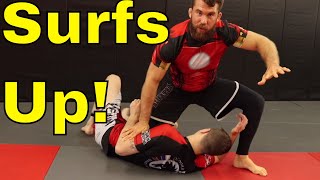
Technique on Command - Passing the Butterfly Guard
Key Takeaways
- •Butterfly Guard Fundamentals
- •Toriando Smash Pass
- •Spike Pass Technique
- •X Pass with Directional Deception
Technique by Wade Barden Like and Subscribe Comment for Questions
Frequently Asked Questions
What does this video teach about butterfly pass?
This video covers butterfly guard fundamentals, toriando smash pass, spike pass technique. It provides detailed instruction from Strong Hold Jiu Jitsu.
How long does it take to learn butterfly pass?
The basic mechanics can be understood in a single session, but developing reliable execution requires consistent drilling over weeks of practice. This 6-part breakdown helps structure your training by isolating each phase of the technique.
What are the key details for finishing butterfly pass?
The corkscrew pass involves diving the right hand under to secure the pants cuff while positioning the head at shoulder level to prevent loop chokes and guillotine attempts. The right leg steps backward rather than forward to prevent the opponent's feet from hooking during the spin. The practitioner then drops to their side and rotates the opponent, walking the hips to establish side control.
Related videos
Butterfly Guard Guide In Gi & Nogi | BJJ Fundamentals
Jordan Teaches Jiujitsu
What's The Best Way to Pass Butterfly Guard in BJJ ?
Chewjitsu
1/2 Butterfly Pass - Add this to your game!
Brian Glick
Passing Butterfly Guard: THREE (3) Guard Passes from the Knees (No Gi BJJ)
Brian Glick
A BJJ Butterfly Guard Pass So Smooth But Surprisingly Simple
Chewjitsu