Bob and Weave vs. Slip and Roll Terminology
The bob and weave and slip and roll are functionally identical defensive techniques in modern combat sports. The instructor emphasizes this distinction to clarify terminology for students learning head movement in MMA and kickboxing contexts.
Context-Specific Application in MMA and Kickboxing
The bob and weave must be understood within the threat environment of striking sports where knees and kicks are available weapons. This distinction matters because the defensive geometry differs significantly from boxing-only contexts where only hand strikes are present.
Foundational Slip Drill Setup
Training begins with the partner throwing a jab-cross combination while the defender practices slipping the incoming cross to the outside. The attacker intentionally leaves the cross extended to give the defender tactile feedback against their shoulder as they slip.
Weight Distribution and Weave Mechanics
After slipping the cross, the defender's weight shifts to one leg, creating the mechanical opportunity to bob and weave underneath the attacker's looping arm. The weave return is not a head dip but a directional change that restores the defender to fighting stance with weight centered.
Threat Assessment: Knee Strike Vulnerability
In MMA and kickboxing, improper weave direction exposes the defender's face to an upward knee strike from the opponent. The attacker creates a large looping arc with their arm rather than tracking the defender's head, allowing safe practice while the defender learns proper weave height.
Progressive Complication with Follow-Up Strikes
Once the basic slip-and-weave pattern is established, the attacker adds counter-strikes after the initial cross-hook exchange. The defender must then slip and weave while simultaneously preparing defensive responses to these follow-ups.
Mitt-Free Training Variation
The technique can be practiced without focus mitts using a slow cross-hook exchange between partners. This allows both participants to develop timing and rhythm while focusing entirely on defensive head movement patterns.
Live Counter-Strike Defense
Advanced drilling requires the defender to slip-roll and immediately fire back with strikes while the attacker defends incoming crosses. This integrates offensive and defensive responsibilities into a single exchange, simulating fighting conditions more closely.
Unlocking The Bob & Weave
Key Takeaways
- •Bob and Weave vs. Slip and Roll Terminology
- •Context-Specific Application in MMA and Kickboxing
- •Foundational Slip Drill Setup
- •Weight Distribution and Weave Mechanics
In this week’s Mitt Work Monday, we unlock the Bob & Weave for Muay Thai, Kickboxing, or MMA. The Combat Theory Clothing Line https://teespring.com/stores/combat-theory Impact Custom Mouth Pieces (Discount Code = CombatTheory) https://www.impactmouthguards.com/?ref=CT1101 The Best Quality Kickboxing Gear on the Market (Message me on Instagram for Discount Code) https://www.combatcorner.com/?ref=bb-7xy5xe Complete List of Gear Recommendations http://5in5club.com/training/gear/ The Worlds Best Sunglasses https://share.knockaround.com/x/fyIwgd Be a Combat Corner Brand Ambassador https://api.brandbassador.com/s/7mbvbu Music For Youtube https://www.epidemicsound.com/referral/a8836q/ The Gym I Coach at https://www.orlandobjj.com
Related Techniques
Frequently Asked Questions
What does this video teach about bob and weave?
This video covers bob and weave vs. slip and roll terminology, context-specific application in mma and kickboxing, foundational slip drill setup. It provides detailed instruction from Combat Theory.
How long does it take to learn bob and weave?
The basic mechanics can be understood in a single session, but developing reliable execution requires consistent drilling over weeks of practice. This 8-part breakdown helps structure your training by isolating each phase of the technique.
What are the key details for finishing bob and weave?
The technique can be practiced without focus mitts using a slow cross-hook exchange between partners. This allows both participants to develop timing and rhythm while focusing entirely on defensive head movement patterns.
Related videos

The Bob and Weave (step by step for beginners)
Fight your way Fit

How To Punch Someone Using The Shoulder Roll Defense (The Philly Shell)
World Class Boxing Channel
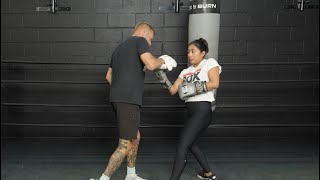
Boxing Breakdowns: The Philly Shell | The Shoulder Roll
BoxRope
Judo Slip Examen
FamSlingerland
Judo power phase - the pull @ Grapplefit
Grapplefit