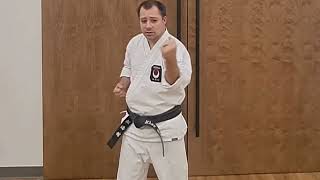
Introduction to Soto Uke
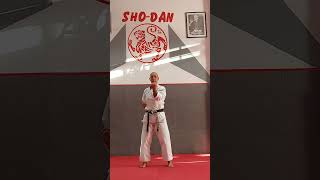
This instructional sequence demonstrates the progressive teaching methodology for soto uke (outside block) designed for beginner karate students. The instructor builds complexity gradually, starting with fundamental hand positioning before advancing to dynamic stepping combinations.
Bilateral Hand Preparation
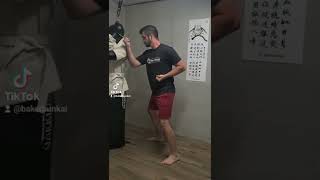
Both hands are raised with elbows bent and fists rotated outward, palms facing away from the body. The hands then move toward the front of the body while maintaining contact between the elbows and fists, establishing the foundational hand position.
Hand Rotation and Chamber
The hands pull back while rotating the fists so the palms face inward. The movement continues upward and forward, with the fists rotating outward to face the opponent. This cycle of pulling back, rotating, and extending forward establishes the rhythmic pattern of the block.
Proper Extension Distance
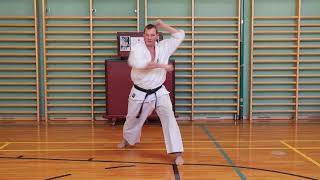
The blocking fists must extend away from the body at an appropriate distance, rather than remaining close to the torso. This proper extension ensures adequate reach and defensive coverage when executing the technique.
Single-Arm Alternating Practice
Students progress to executing one arm at a time, with one hand rising and extending forward while the other hand pulls back to the hip. This alternating pattern is repeated in a controlled tempo to develop independent arm coordination and muscle memory.
Integration of Chamber and Block
The pullback hand extends fully during preparation before the blocking motion is executed. This extended chamber position emphasizes the connection between the preparatory phase and the actual blocking movement.
Soto Uke with Stepping
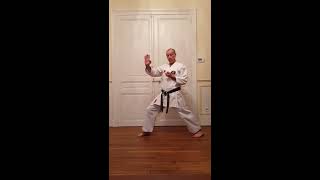
The block is integrated with both backward and forward stepping patterns, with the hips remaining retracted during the defensive phase. The student practices stepping back and stepping forward while maintaining proper hip positioning throughout each directional variation.
Effective Blocking Range and Hip Mechanics
Soto uke is mechanically limited in strength beyond the center line, so effective execution relies on hip rotation to deflect attacks past the body rather than meeting them directly. The hips must remain withdrawn during the block and then rotate forward during the counter-attack to maximize technique efficiency and power generation.
Beginning karate: Outside block (Soto Uke)
Key Takeaways
- •Introduction to Soto Uke
- •Bilateral Hand Preparation
- •Hand Rotation and Chamber
- •Proper Extension Distance
For new students to karate: How to learn to do a basic outside block (soto-uke).
Frequently Asked Questions
What does this video teach about seiken chudan soto uke?
This video covers introduction to soto uke, bilateral hand preparation, hand rotation and chamber. It provides detailed instruction from Seamus O'Dowd.
How long does it take to learn seiken chudan soto uke?
The basic mechanics can be understood in a single session, but developing reliable execution requires consistent drilling over weeks of practice. This 8-part breakdown helps structure your training by isolating each phase of the technique.
What are the key details for finishing seiken chudan soto uke?
The block is integrated with both backward and forward stepping patterns, with the hips remaining retracted during the defensive phase. The student practices stepping back and stepping forward while maintaining proper hip positioning throughout each directional variation.