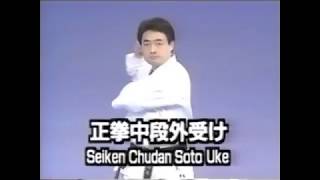
Introduction to Chudan Soto Uke
Chudan Soto Uke, or middle-level outside block, is a fundamental defensive technique in karate that redirects incoming strikes away from the body's center. This progression series builds competency from basic stance work through advanced applications. Practitioners will develop proper body mechanics, timing, and power transfer essential for effective execution.
Foundational Stance Requirements
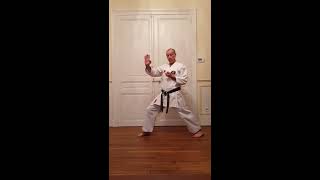
The stable foundation begins with proper stance positioning, typically zenkutsu-dachi (forward stance) or kokutsu-dachi (back stance). Weight distribution and hip alignment directly influence blocking power and recovery capability. Instructors should emphasize grounding through the feet while maintaining an engaged core for maximum stability.
Arm Path and Chamber Position
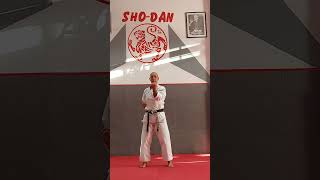
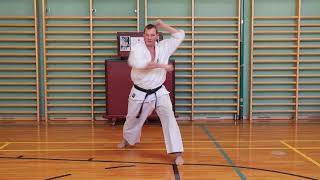
The blocking arm begins chambered across the body at solar plexus height, with the fist positioned near the opposite hip. The movement initiates from the shoulder, not the elbow, creating a sweeping arc that generates momentum. The non-blocking arm simultaneously withdraws to the hip, creating balanced rotational force through the torso.
Execution and Contact Point
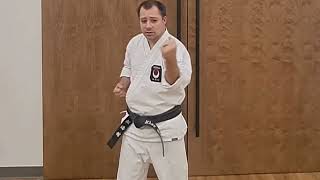
As the block extends outward, the forearm rotates to present the outer edge as the contact surface, angled approximately 45 degrees from the vertical centerline. Full extension occurs at chest height, with the arm slightly bent to absorb incoming force. The blocking surface must meet the attack at the proper angle to deflect rather than absorb impact.
Hip Rotation and Power Generation
Simultaneous hip rotation amplifies blocking force and establishes proper weight transfer. The hips rotate fully into the technique, with the rear hip driving forward as the blocking arm extends. This coordinated movement prevents the common error of blocking with arm strength alone, ensuring efficient power delivery.
Progression to Dynamic Application
Once static execution is refined, practitioners advance to blocking against actual punch combinations. The technique must be adaptable to varying attack angles and speeds while maintaining proper form. Instructors should introduce moving drills that develop timing, distance management, and appropriate response sequencing.
Common Errors and Corrections
Frequent mistakes include blocking with only arm strength, insufficient hip rotation, and poor stance stability. The block should never cross the body's centerline excessively, as this compromises defensive coverage. Practitioners must maintain constant awareness of stance integrity and alignment throughout the technique.
Integration with Counter-Techniques
The blocking position naturally transitions into offensive responses such as gyaku-zuki (reverse punch) or immediate follow-up strikes. The chamber position of the opposite arm positions the practitioner for seamless counterattack. Combining defensive and offensive movements develops practical fighting application beyond isolated technique practice.
Chudan Soto Uke Progression
Key Takeaways
- •Introduction to Chudan Soto Uke
- •Foundational Stance Requirements
- •Arm Path and Chamber Position
- •Execution and Contact Point
Frequently Asked Questions
What does this video teach about seiken chudan soto uke?
This video covers introduction to chudan soto uke, foundational stance requirements, arm path and chamber position. It provides detailed instruction from Bryce Baker.
How long does it take to learn seiken chudan soto uke?
The basic mechanics can be understood in a single session, but developing reliable execution requires consistent drilling over weeks of practice. This 8-part breakdown helps structure your training by isolating each phase of the technique.
What are the key details for finishing seiken chudan soto uke?
Frequent mistakes include blocking with only arm strength, insufficient hip rotation, and poor stance stability. The block should never cross the body's centerline excessively, as this compromises defensive coverage. Practitioners must maintain constant awareness of stance integrity and alignment throughout the technique.