Introduction to the Figure-Four Leg Lock Setup
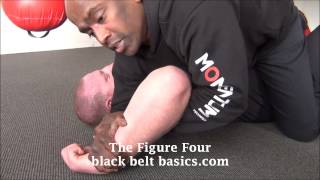
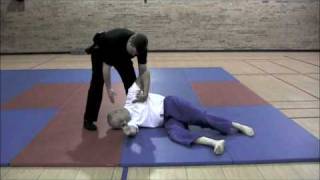
The instructor introduces an efficient method to achieve the figure-four leg lock from a breakdown position. This approach prioritizes positioning the opponent on their belly before initiating the technique, regardless of the specific breakdown method used.
Initial Leg Positioning and Foot Scoop
The athlete uses their inside leg to scoop the opponent's foot, creating a leg curl motion toward their own body. Once the opponent's foot is positioned against the athlete, they reach down with their outside hand to drive their toe into the opponent's neck while elevating the leg.
Securing the Figure-Four and Hip Control
The athlete scoops the opponent's leg underneath to establish the figure-four position. Placement height is critical—positioning the lock higher on the opponent's hip provides superior control, while lower placement near the knee reduces leverage and dominance.
Hip Turn and Upper Body Integration
The athlete initiates the turn by rotating their hips while securing the opponent's wrist with both hands in an interlocked grip. The free leg steps over the opponent's body with the foot flat on the mat to facilitate the turning motion.
Achieving Back Control and Forcing the Turn
The athlete executes a coordinated bump of the hips combined with an arm pull to drive the opponent onto their back. If the opponent's shoulder remains elevated, the athlete pulls their chest forward, bumps with their hips, and pulls with their arms again until back control is achieved.
Chaining into the Power Half Nelson
Once back control is secured, the athlete maintains the wrist grip and captures the opponent's fingers by pulling the hand over the head. The athlete secures this position by placing their own hand on top, then transitions into a power half nelson by bringing their hand underneath and locking onto their own hand.
Defending Against the Inside Turn
If the opponent attempts to turn into the athlete, they can counter by using their outside leg to hook and prevent the turn. Alternatively, the athlete can squeeze the arm away by pulling the wrist, keeping their arms straight to prevent the opponent's escape.
Accumulating Multiple Turns for the Fall
Unlike traditional tilts, the figure-four leg lock allows the athlete to execute multiple consecutive turns without releasing the grip. Each hip rotation counts as a scoring turn, enabling the athlete to build pressure and positioning for an eventual pin without resetting the position.
Power Half Nelson Finish
The athlete steps their free leg over the opponent's body with the foot flat on the mat, then initiates the power half nelson by pulling the opponent's hand through and toward their own body. Continuous arm pressure and coordinated hip movement force the opponent flat, resulting in a count and potential pin.
Centurion Wrestling: Figure Four Series: Getting to Leg from Breakdown w/ Two Turns!
Key Takeaways
- •Introduction to the Figure-Four Leg Lock Setup
- •Initial Leg Positioning and Foot Scoop
- •Securing the Figure-Four and Hip Control
- •Hip Turn and Upper Body Integration
Continuing our figure four leg ride series. Coach Higgins teaches how to set up the figure four from the mat, and chain two dominant turns together! The second turn can often yield the fall! Legs are one of the most dominant rides on top. It’s an easy way to score a lot of points and inflict a lot of pain from the top position.
Related Techniques
Frequently Asked Questions
What does this video teach about figure-four?
This video covers introduction to the figure-four leg lock setup, initial leg positioning and foot scoop, securing the figure-four and hip control. It provides detailed instruction from Centurion Wrestling.
How long does it take to learn figure-four?
The basic mechanics can be understood in a single session, but developing reliable execution requires consistent drilling over weeks of practice. This 9-part breakdown helps structure your training by isolating each phase of the technique.
What are the key details for finishing figure-four?
Unlike traditional tilts, the figure-four leg lock allows the athlete to execute multiple consecutive turns without releasing the grip. Each hip rotation counts as a scoring turn, enabling the athlete to build pressure and positioning for an eventual pin without resetting the position.