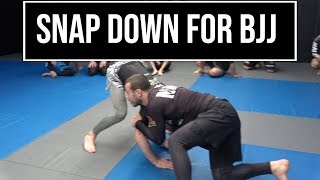
Introduction to Duck Under Takedown
The duck under takedown is a fundamental wrestling technique that remains highly effective when executed correctly. The instructor emphasizes this as a foundational wrestling skill applicable to no-gi grappling situations.
Establishing the Collar Tie Position
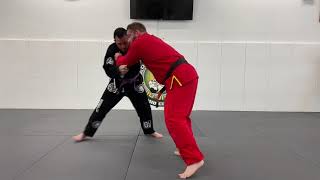
The technique begins from a collar tie or wrestler tie-up position. Both competitors typically seek this control simultaneously, as allowing an opponent to establish a wrestler tie without reciprocal control permits excessive head manipulation.
Achieving Inside Bicep Control
The practitioner secures inside bicep control on the opponent's tied arm, with fingers extending toward the armpit. This positioning provides the leverage necessary for the subsequent elevation and head movement required in the technique.
Creating Reactive Movement Through Snap Down
The duck under functions as a pullover technique requiring the opponent to react. The practitioner initiates this by performing or feinting a snap down to the opponent's head, forcing a reflexive upward head movement.
Ducking Under and Arm Control
As the opponent's head moves upward, the practitioner steps laterally and pulls the opponent's arm over their head as if removing a shirt. Maintaining collar grip control while securing the arm positioning is critical for subsequent control.
Establishing Back Control and Body Lock
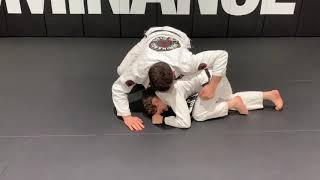
After successfully ducking under, the practitioner pivots to establish back control and secures a body lock grip. The hips are positioned underneath the opponent's center of gravity to maximize leverage.
Completing the Takedown with Knee Bump
The practitioner lifts the opponent by throwing the hips forward while simultaneously bumping with the knee to disrupt the opponent's base. This combined action results in a controlled takedown to the ground.
Advanced Variation: Anticipatory Arm Trap
For more experienced practitioners, the duck under can be timed during the opponent's initial reach for a collar tie. The practitioner anticipates this movement and traps the arm over their head before fully establishing the tie.
Heel Block Finish Option
An alternative finishing method involves blocking the opponent's heel by aligning and positioning the foot to obstruct the opponent's stepping pattern. This variation reduces energy expenditure compared to the full body lock lift.
Summary of Two Primary Variations
The primary variation involves a full tie-up, inside bicep control, snap down, and hip-driven body lock takedown, recommended for younger practitioners with high energy capacity. The secondary variation uses anticipatory timing and a heel block finish, conserving energy while maintaining effectiveness.
No gi duck under takedown
Key Takeaways
- •Introduction to Duck Under Takedown
- •Establishing the Collar Tie Position
- •Achieving Inside Bicep Control
- •Creating Reactive Movement Through Snap Down
No gi duck under takedown to the back
Related Techniques
Frequently Asked Questions
What does this video teach about duck under takedown?
This video covers introduction to duck under takedown, establishing the collar tie position, achieving inside bicep control. It provides detailed instruction from BJJ4Breakfast.
How long does it take to learn duck under takedown?
The basic mechanics can be understood in a single session, but developing reliable execution requires consistent drilling over weeks of practice. This 10-part breakdown helps structure your training by isolating each phase of the technique.
What are the key details for finishing duck under takedown?
An alternative finishing method involves blocking the opponent's heel by aligning and positioning the foot to obstruct the opponent's stepping pattern. This variation reduces energy expenditure compared to the full body lock lift.