Introduction to Turtle Position Escape
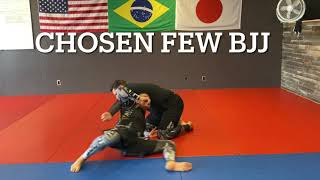
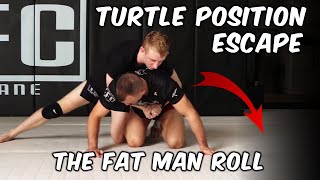
The instructor introduces a series on escaping or reversing the turtle position, focusing on a stand-up technique that allows the defender to regain feet and control their opponent. This method applies across jiu-jitsu, wrestling, and MMA contexts. The turtle position is described as a highly defensive posture commonly seen in competition when athletes prioritize safety over advancement.
Positioning and Hand Defense
When trapped in turtle position, the defender should maintain elbows on the ground while protecting the head from strikes with proper hand placement. Early wrist control is essential, either secured before or during the stand-up motion. The defender must prevent the opponent from locking their hands around the waist while initiating the escape.
Explosive Stand with Backward Pressure
The stand-up requires driving upward to the feet while simultaneously pushing backward into the opponent to maintain balance and leverage. The defender should stand tall and block the opponent's arm from entering and wrapping around the waist. Backward pressure is critical—without it, the defender will be pushed forward and fail the escape.
Pressure Testing Drill
A basic pressure test involves the defender standing above the opponent in turtle position with hands on them. If the defender stands up without backward pressure, they can be pushed directly downward. Proper technique is confirmed when the defender maintains balance as the opponent applies counter-pressure during the stand.
Realistic Drilling with Knee in the Hole
The instructor demonstrates more realistic resistance by placing their knee in the opponent's hip pocket while the defender practices the stand-up escape. In wrestling contexts, the top player positions themselves more directly behind; in jiu-jitsu, the positioning is more lateral. The defender must drive upward and back toward wherever pressure originates.
Solo Wall Conditioning Drill
A solo drill involves the defender practicing the stand-up motion against a wall, pushing their back into it while transitioning from elbows (jiu-jitsu) or knees (wrestling) to standing. This drill develops the backward pressure mechanics without a partner and can be performed at high intensity for conditioning purposes. Performing the movement explosively and repeatedly serves dual purposes of technique reinforcement and cardio work.
Follow-Up Options After Standing
Once the defender achieves the stand-up and separates from the turtle position, multiple offensive and control options become available. Techniques include the camora throw, whizzer arm control, T-position throws, and hip displacement to face the opponent. The primary objective is achieving foot position and breaking the opponent's grip, after which tactical decisions depend on the specific context and opponent response.
Escaping the turtle position in a fight or BJJ with a stand-up
Key Takeaways
- •Introduction to Turtle Position Escape
- •Positioning and Hand Defense
- •Explosive Stand with Backward Pressure
- •Pressure Testing Drill
This is the first video in a short series of videos that will highlight escape or reversals from the turtle position. This wrestler style stand-up will help set up the other moves in this series. Great for BJJ and MMA.
Related Techniques
Frequently Asked Questions
What does this video teach about stand up from turtle?
This video covers introduction to turtle position escape, positioning and hand defense, explosive stand with backward pressure. It provides detailed instruction from Ben Egli.
How long does it take to learn stand up from turtle?
The basic mechanics can be understood in a single session, but developing reliable execution requires consistent drilling over weeks of practice. This 7-part breakdown helps structure your training by isolating each phase of the technique.
What are the key details for finishing stand up from turtle?
A solo drill involves the defender practicing the stand-up motion against a wall, pushing their back into it while transitioning from elbows (jiu-jitsu) or knees (wrestling) to standing. This drill develops the backward pressure mechanics without a partner and can be performed at high intensity for conditioning purposes. Performing the movement explosively and repeatedly serves dual purposes of technique reinforcement and cardio work.