Guard Recovery Through Turtle Position
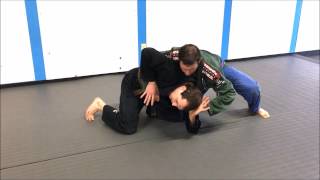
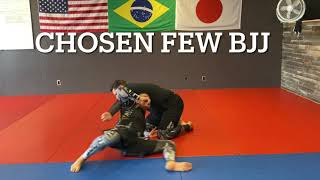
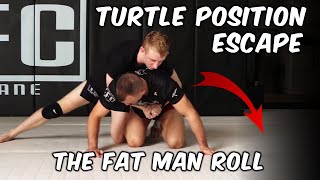
Turtle position serves as an effective guard recovery method that prevents opponents from scoring guard pass points in competition or MMA. By transitioning to turtle at the proper moment, practitioners can deny the opponent scoring opportunities while positioning themselves to reverse into a top position.
Foundational Requirements for Turtle Entry
Establishing an underhook is essential before attempting the turtle transition. The practitioner must move their hips away from the opponent positioned at approximately 90 degrees, avoiding situations where the opponent can flatten them or secure their back.
Shoulder Rotation and Hip Positioning
The underhook's primary function is enabling shoulder rotation rather than lifting the opponent's weight. The practitioner steps out onto one hip, moves the hips away from the opponent, and drives from the toes while connecting the shoulder to the opponent's hip bone.
Iron Core Position Defense
Iron core position represents a critical moment where the top player can attempt to flatten the bottom player before they fully establish turtle. The bottom player must seal off all gaps by keeping elbows tight to the ribcage and maintaining a 'iron pillow' position with the head buried into the arm.
Defending the D'Arce Grip from Top Position
When the opponent secures their thumb in the D'Arce space, the bottom player's defense is to grab their own thumb and pull it back toward their hair, closing the gap before the opponent can establish the grip fully.
Leg Positioning to Prevent Leg Drag Pass
Maintaining open leg positioning prevents the opponent from jumping over the legs or pinning them to facilitate a leg drag pass. Keeping the legs in an open position forces the opponent to move around the head rather than over the legs.
Turtle to Guard Pull Mechanics
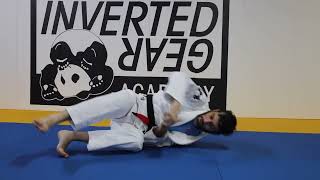
When pulling guard from turtle position, the practitioner should move away from the opponent rather than sliding into guard underneath their weight. This positioning places the opponent at the end of the practitioner's hands and feet rather than directly on top.
Guard Pull Foot and Head Movement
During the guard pull transition, the practitioner elevates the knees to a more vertical angle, steps up with one foot, rotates the shin, and moves the head backward. The head movement travels away from the opponent rather than forward into their weight.
Guard Recovery - Getting To Turtle
Key Takeaways
- •Guard Recovery Through Turtle Position
- •Foundational Requirements for Turtle Entry
- •Shoulder Rotation and Hip Positioning
- •Iron Core Position Defense
Try out SBG University for a month for free. Use the code: YOUTUBEFREE https://sbgu.samcart.com/referral/OD1DNOAi/vUiYFZg8SxVUHRex For more SBG International BJJ and MMA instructional videos check: www.sbguniversity.com Also, check the BJJ Q&A with founder of SBG Matt Thornton here: https://youtu.be/pghir7WyisY Learn more about SBG here: https://sbgi-pdx.com/ #bjj #brazilianjiujitsu #SBG
Related Techniques
Frequently Asked Questions
What does this video teach about guard pull from turtle?
This video covers guard recovery through turtle position, foundational requirements for turtle entry, shoulder rotation and hip positioning. It provides detailed instruction from SBG PDX & Vancouver BJJ and MMA Videos.
How long does it take to learn guard pull from turtle?
The basic mechanics can be understood in a single session, but developing reliable execution requires consistent drilling over weeks of practice. This 8-part breakdown helps structure your training by isolating each phase of the technique.
What are the key details for finishing guard pull from turtle?
When pulling guard from turtle position, the practitioner should move away from the opponent rather than sliding into guard underneath their weight. This positioning places the opponent at the end of the practitioner's hands and feet rather than directly on top.