Turtle Position Fundamentals
When trapped in turtle position under heavy top pressure, the defender must immediately establish a tight posture with chin to chest and shoulders elevated to prevent quick submissions like guillotines or back control. Proper turtle positioning should be maintained for only 5-10 seconds maximum before initiating an escape attempt.
Hand Placement Assessment
The sit-out escape varies based on the opponent's hand configuration: both arms controlling the chest, front headlock position, or head-and-arm control. The defender must identify which arm is positioned over their armpit, as this determines the direction of the escape.
Creating Separation
The defender controls the opponent's arm or wrist with their elbow or hand while simultaneously elevating their leg to create space. Without this initial space creation, the subsequent baseball slide will result in the hips becoming trapped.
The Baseball Slide Escape
Once space is established, the defender executes a baseball slide at approximately 45 degrees while driving their head into the opponent's rib cage. This explosive movement allows the defender to escape the bottom position and transition toward back control.
Leg Control and Back Take
After the baseball slide, the defender can grab the inside of the opponent's leg at hip height to initiate a back take from the turtle position. The opponent may release their grip or continue holding, but the escape momentum makes back control accessible.
Side Selection Based on Opponent Control
When the opponent controls with both arms across the chest, the defender escapes toward the side where the opponent's arm passes over their armpit. If the opponent secures a front headlock or head-and-arm position, the defender must escape to the opposite side to avoid becoming trapped in a submission.
Guillotine Side Vulnerability
Escaping toward the guillotine side (where the opponent has head-and-arm control with a tight grip) is high-risk and may result in the defender being forced onto their back to defend the choke. In cases of strong front headlock position, the defender should instead control the opponent's hands and back up to avoid the escape attempt.
Execution Sequence
The complete escape sequence involves identifying the opponent's arm position, controlling their arm or wrist, creating space by elevating the leg, executing the baseball slide at 45 degrees toward the safe side, and finishing with a leg grab to initiate back control or complete the escape.
Sit Out escape from Turtle
Key Takeaways
- •Turtle Position Fundamentals
- •Hand Placement Assessment
- •Creating Separation
- •The Baseball Slide Escape
Sitout escape from bottom turtle One of my favorite techniques from Turtle to quickly take peoples back. Crypto donations: Chosenfew.crypto Or BTC-bc1qjvcfe8p22fd2p42r3weu8e4euq0f3j8x4garzt XRP- rw1erad1gJXW6CfoavRtAuHeucJiDknKy5 Theta- 0xAEeD5F9e6fEf99A41BCa403fAf22F6c371b77e8c ZIL- zil13rxjpngz58hg7hzqx25q35r5a4mhgqjcjxzker ETH- 0xd5B4fe76Afbbc259f0f40E7a263bA18e73Ba8bF6 Link- 0xd5B4fe76Afbbc259f0f40E7a263bA18e73Ba8bF6 VET- 0x97b086a7BE926E7FeB07479ca70Bd05Bd82729b6
Related Techniques
Frequently Asked Questions
What does this video teach about sit-out escape?
This video covers turtle position fundamentals, hand placement assessment, creating separation. It provides detailed instruction from Chosen Few BJJ.
How long does it take to learn sit-out escape?
The basic mechanics can be understood in a single session, but developing reliable execution requires consistent drilling over weeks of practice. This 8-part breakdown helps structure your training by isolating each phase of the technique.
What are the key details for finishing sit-out escape?
Escaping toward the guillotine side (where the opponent has head-and-arm control with a tight grip) is high-risk and may result in the defender being forced onto their back to defend the choke. In cases of strong front headlock position, the defender should instead control the opponent's hands and back up to avoid the escape attempt.
Related videos
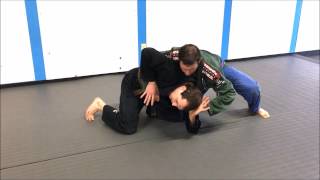
Escaping the turtle position in a fight or BJJ with a stand-up
Ben Egli
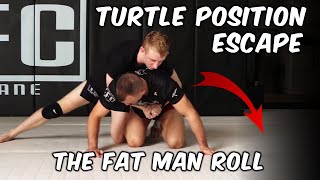
Fat Man Roll - Turtle Position Escape | Grappling Techniques
The Fight Centre - Brisbane
Guard Recovery - Getting To Turtle
SBG PDX & Vancouver BJJ and MMA Videos
Learning How To Granby Roll
Inverted Gear
Aerobatics Lesson 4 : Snap Roll
Bashar Dahabra