Setup and Airspeed
The snap roll begins with the aircraft at 80 knots airspeed at full power. The pilot must maintain this specific speed to execute the maneuver safely and effectively.
Initial Control Input
The pilot pulls back on the yoke to pitch the aircraft upward, inducing a stall condition. Full rudder input in the desired direction of roll is applied as the aircraft approaches the stall.
Rudder Application During Stall
At the moment of stall, full rudder deflection causes the aircraft to snap roll rapidly. The timing of rudder input relative to the stall is critical to executing the maneuver cleanly.
Recovery Technique
Once the aircraft has rotated through the desired angle, opposite rudder is applied to stop the rolling motion. The control inputs must be precise to avoid entering a spin.
Recovery Timing Issues
Delayed application of recovery controls can cause the aircraft to lose significant altitude or approach a spin condition. Recovery inputs must be applied promptly after the snap roll reaches the desired orientation.
Altitude Considerations
Adequate altitude is necessary to safely execute and recover from a snap roll without entering a descent toward the ground. A minimum altitude buffer of 3500 feet is recommended during training.
Control Sequence Summary
The complete sequence involves: pitch up to induce stall, apply full rudder to snap roll, apply opposite rudder to recover, and push forward on the yoke to return to level flight. Executing these inputs in proper sequence and timing prevents inadvertent spins.
Aerobatics Lesson 4 : Snap Roll
Key Takeaways
- •Setup and Airspeed
- •Initial Control Input
- •Rudder Application During Stall
- •Recovery Technique
Related Techniques
Frequently Asked Questions
What does this video teach about snap roll?
This video covers setup and airspeed, initial control input, rudder application during stall. It provides detailed instruction from Bashar Dahabra.
How long does it take to learn snap roll?
The basic mechanics can be understood in a single session, but developing reliable execution requires consistent drilling over weeks of practice. This 7-part breakdown helps structure your training by isolating each phase of the technique.
What are the key details for finishing snap roll?
Adequate altitude is necessary to safely execute and recover from a snap roll without entering a descent toward the ground. A minimum altitude buffer of 3500 feet is recommended during training.
Related videos
How to do a Snap Roll
lu7432
BASIC TURNOVERS 7 PETERSON ROLL
welcomematstevescott
The Snap Down part 1( getting to the front head and turtle position)
Still Rolling
PETERSON ROLL & DRILL TRAINING FOR IT "YOU FIGHT AS HARD AS YOU TRAIN"
welcomematstevescott
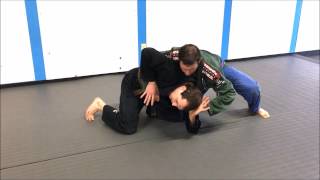
Escaping the turtle position in a fight or BJJ with a stand-up
Ben Egli