Foundation Stance
The practitioner begins in a neutral stance with feet shoulder-width apart and knees slightly bent. This foundational position provides stability and allows for explosive weight transfer necessary for the stepping punch.
Chamber Position
The rear hand draws back toward the hip while the front hand maintains guard. The elbow stays close to the body, creating tension in the core muscles that will drive the punch forward.
Weight Distribution
The practitioner shifts weight onto the rear leg, loading the hips for maximum power generation. This conscious weight transition is critical—approximately 70% of body weight should settle into the back leg before initiating the step.
Forward Step Execution
The front foot steps forward while the rear leg extends, creating forward momentum. The step should be controlled and measured, allowing the body to move as one unit rather than independently.
Hip Rotation and Drive
As the stepping motion completes, the hips rotate explosively toward the target. This rotational power transfers through the torso into the punching arm, multiplying force through proper kinetic chain alignment.
Punch Extension
The rear hand extends fully at shoulder height with the fist rotated palm-down at impact. The punch travels in a straight line directly from the hip to the target, maintaining alignment from elbow to knuckles.
Impact and Follow-Through
The punch reaches full extension as the rear foot plants firmly into the ground. Proper follow-through ensures the energy carries through the target rather than stopping at contact.
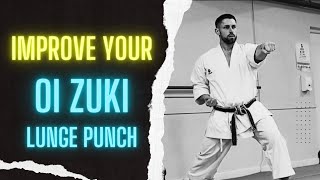
Oizuki Stepping Punch
Key Takeaways
- •Foundation Stance
- •Chamber Position
- •Weight Distribution
- •Forward Step Execution
https://www.shotokankarateonline.com/blog/lesson-6-oi-zuki-stepping-punch/ Stepping forward oizuki from zenkutsu dachi, gedan barai (left leg in front). 1. An initial, small but important forward movement with the front knee, whilst keeping the front foot still. 2. Drive the left shoulder, right hip and rib cage forward, at the same time keeping the right shoulder back. 3. Try pulling with the front leg as you step half way. 4. The left leg then pushes from the floor to propel the body forward. 5. At the same time the right foot lands, execute the punch. 6. At the exact time the right foot lands and the punch reaches the target, drive the left heel back into the floor tighten the muscles for a split second, especially muscles under the punching arm, abdomen and the back and inside of the thigh muscles and buttocks, them immediately relax. 7. Repeat 10,000 times, relax, less is more, don’t try to hard and good luck with the very basic, oizuki, which every experienced shotokan karateka thinks they have down! 8. Breathing should be smooth and natural, no ‘Thomas The tank Engine’ sounds. Once this style of movement is drilled and practiced thoroughly, especially during kata training, your whole karate seems to take on a new direction.
Related Techniques
Frequently Asked Questions
What does this video teach about oi tsuki?
This video covers foundation stance, chamber position, weight distribution. It provides detailed instruction from shotokan karate online.
How long does it take to learn oi tsuki?
The basic mechanics can be understood in a single session, but developing reliable execution requires consistent drilling over weeks of practice. This 7-part breakdown helps structure your training by isolating each phase of the technique.
What are the key details for finishing oi tsuki?
The rear hand extends fully at shoulder height with the fist rotated palm-down at impact. The punch travels in a straight line directly from the hip to the target, maintaining alignment from elbow to knuckles.