Foundation Through Stance
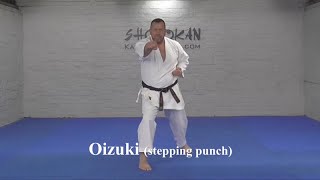
The Oi Tsuki begins not with the punch, but with proper stance mechanics. All power is generated from the ground up through the legs and feet, making stance the foundational element of an effective lunge punch. The practitioner should establish a solid Zenko stance before attempting any movement.
The Pulling Action
Movement into Oi Tsuki initiates with a pulling action from the hip flexors, drawing the rear knee toward the front knee. The practitioner must maintain weight over the front leg while explosively pulling the rear foot from the ground, avoiding a pushing bounce. The knees remain close together throughout this phase to protect the groin.
Foot Positioning and Rotation
The rear foot should not be elevated excessively; optimal positioning places the knee at hip height. Rotation of the rear foot occurs during the step, not before, to prevent harmful knee stress. The foot rotates approximately 35-45 degrees as forward momentum drives the stance, never turned directly to the side.
Hip-Driven Propulsion
The practitioner initiates forward momentum by pulling the hips as if drawn forward, with the hands remaining inactive initially. As the rear foot contacts the ground, rotation and drive occur simultaneously, propelling the body into the completed stance. The punch lands synchronously with the establishment of the final stance position.
Sequencing the Punch
Hip and leg drive must precede upper body action; the hands engage only as the rear leg begins its driving push. The rotation of the rear foot on the floor triggers synchronized hand and body movement, creating explosive power transfer. This timing ensures maximum force generation from the ground through the entire kinetic chain.
Resistance Training Method
Using a resistance band attached to the waist develops proper hip-driven mechanics independent of upper body muscling. The practitioner pulls the rear foot while driving forward against resistance, emphasizing the sequential pull-then-push action. This drill reinforces correct power generation patterns and prevents compensatory upper body tension.
A lesson on Oi Zuki - Shotokan Karate lunge punch
Key Takeaways
- •Foundation Through Stance
- •The Pulling Action
- •Foot Positioning and Rotation
- •Hip-Driven Propulsion
#karate #shotokan #martialarts #training #karatetechniques
Related Techniques
Frequently Asked Questions
What does this video teach about oi tsuki?
This video covers foundation through stance, the pulling action, foot positioning and rotation. It provides detailed instruction from John Gardiner.
How long does it take to learn oi tsuki?
The basic mechanics can be understood in a single session, but developing reliable execution requires consistent drilling over weeks of practice. This 6-part breakdown helps structure your training by isolating each phase of the technique.
What are the key details for finishing oi tsuki?
Hip and leg drive must precede upper body action; the hands engage only as the rear leg begins its driving push. The rotation of the rear foot on the floor triggers synchronized hand and body movement, creating explosive power transfer. This timing ensures maximum force generation from the ground through the entire kinetic chain.