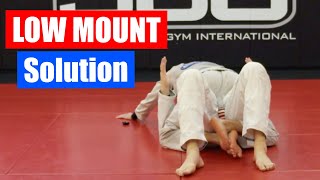
Introduction to Mount Retention
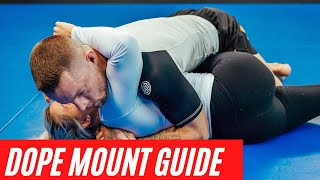
This instructional series focuses on maintaining a dominant mount position. The foundation begins with understanding grapevine variations and their strategic applications.
Two Grapevine Subtypes Defined
The low grapevine positions the legs across the opponent's lower ankles, maximizing torque on the knees. The high grapevine places the legs higher on the hamstrings, near the glutes, creating a different control dynamic.
Low Grapevine: Strengths and Weaknesses
The low grapevine excels at neutralizing bridge escapes by creating severe hip pressure and rotational resistance. However, it becomes vulnerable when the opponent initiates elbow escape sequences by kicking out and threading their feet.
Defeating the Bridge with Low Grapevine
When the opponent attempts to bridge, the top player rotates their hip downward into the pressure, using the low grapevine to create a powerful stretch. This positioning makes bridging ineffective in either direction.
High Grapevine: Application Against Elbow Escapes
When the opponent initiates an elbow escape with a kick-out, the top player transitions to the high grapevine, which severely restricts the threading motion. This position makes the elbow escape virtually impossible to complete.
Key Technical Detail: Maintaining Relaxed Pressure
The high grapevine requires keeping the soles of the feet pressed together in a pyramid structure while remaining flexible at the knees. The practitioner must allow knee flexion while maintaining solid downward hip pressure to prevent the opponent from creating space.
Why Rigidity Fails in High Grapevine
When a top player attempts to keep the high grapevine apparatus rigid, pushing against the knees creates opening and allows escape opportunities. Strategic relaxation of the legs combined with consistent hip pressure is essential for control.
Strategic Switching Between Grapevine Types
The low grapevine is optimized for defeating bridge escapes, while the high grapevine is superior for stopping elbow escapes. Proficient mount retention requires seamlessly transitioning between these positions based on the opponent's escape attempts.
1 - Mount Retention - Grapevines
Key Takeaways
- •Introduction to Mount Retention
- •Two Grapevine Subtypes Defined
- •Low Grapevine: Strengths and Weaknesses
- •Defeating the Bridge with Low Grapevine
The Green Mask introduces basic concepts for controlling the mount position. This lecture focuses on grapevines - understanding the subtypes and their respective strengths and weaknesses.
Related Techniques
Frequently Asked Questions
What does this video teach about grapevine mount?
This video covers introduction to mount retention, two grapevine subtypes defined, low grapevine: strengths and weaknesses. It provides detailed instruction from Secret Jiu Jitsu.
How long does it take to learn grapevine mount?
The basic mechanics can be understood in a single session, but developing reliable execution requires consistent drilling over weeks of practice. This 8-part breakdown helps structure your training by isolating each phase of the technique.
What are the key details for finishing grapevine mount?
When a top player attempts to keep the high grapevine apparatus rigid, pushing against the knees creates opening and allows escape opportunities. Strategic relaxation of the legs combined with consistent hip pressure is essential for control.