Introduction to the Ghost Escape
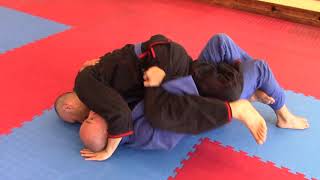
The Ghost Escape is a fundamental side control escape technique that has become increasingly popular in modern grappling, particularly through Ten Planet Jiu-Jitsu. This escape serves as a primary weapon when the opponent applies heavy shoulder pressure from the top position, preventing the defender from escaping to their right side.
Reading Shoulder Pressure and Directional Options
When mounted with heavy shoulder pressure in side control, the defender must recognize that escaping toward the pressure is impossible. The correct approach is to move laterally away from the pressure, initiating movement to the left rather than attempting to go right against the oppressive force.
Foundation: Hip Escape and Triceps Control
The technical execution begins with a bridge and hip escape movement. As the defender escapes, they must simultaneously control the opponent's triceps with their upper hand while managing the opponent's knee position against the mat. Proper head positioning is critical—the defender should dig their hand into the opponent's shoulder and look toward their left side during the escape.
Head Placement and Squeeze Defense
Correct head placement allows the defender's head to slip out even under significant squeeze pressure from the opponent. The defender should control the opponent's neck after the head escapes and transition into a dart choke or sprawl position. Improper head positioning dramatically reduces the technique's effectiveness against skilled opponents.
The Core Mechanism: Creating Space with Hand Control
The fundamental mechanism involves grabbing the opponent's triceps with a fireman's carry grip while using the right hand to create sequential small bumps underneath the opponent's arm. These incremental movements gradually build enough space for the defender to escape, regardless of how tightly the opponent squeezes.
Countering the Triceps Grip Switch
Skilled opponents will attempt to counter by switching their hand to what is known as the 'doorstop' position—placing their arm across the defender's body to block the escape. The defender must anticipate this counter by maintaining continuous triceps control throughout the escape sequence.
Maintaining Arm Control to Prevent Counter Escapes
Critical error occurs when defenders allow the opponent's arm to move freely during the escape attempt. Whether using a grip, pinch, or elbow pressure, the defender must consistently control the opponent's triceps to prevent the opponent from moving their arm to the doorstop or opposite side. Loss of this control eliminates both the dart choke finish and the option to stand up.
Handling Increased Squeeze and Heavy Hip Pressure
When the opponent responds with heavy hip pressure and increased head/neck squeeze, small incremental movements become essential. The defender's hand should climb slowly up and around the opponent's waist while maintaining composure under pressure, creating subtle positional adjustments that eventually compound into a successful escape.
Walking and Sitting Sequence for Balance Disruption
As the defender climbs their hand around the waist, they execute a coordinated walk-and-sit movement pattern—walking to one side while sitting up toward the opposite direction. This combination disrupts the opponent's balance and structure, particularly if the opponent had established a sideways kesketomi position.
Finishing Positions and Base Establishment
After the escape is initiated, the defender must quickly establish a solid base and transition into either a dart choke finish or a top position. The escape's success depends on reading the opponent's reactive base switches and timing the final pop-out movement accordingly, creating a complete sequence from bottom side control to dominant positioning.
The Ghost ESCAPE is UNSTOPPABLE!!!
Key Takeaways
- •Introduction to the Ghost Escape
- •Reading Shoulder Pressure and Directional Options
- •Foundation: Hip Escape and Triceps Control
- •Head Placement and Squeeze Defense
This video demonstrates more in-depth info on the "Ghost" escape from side control! There is a cool pickle you can put your opponent in where he has to give you one way to escape or another. Its one of my most effective tricks for escaping. Check out the details and you are sure to find something useful! Enjoy! If you have any questions, comments, or suggestions, please comment below. More videos to come! Please like, share, and subscribe!! PLEASE Click this link to SUPPORT the TeachMeGrappling Channel!!! https://www.patreon.com/teachmegrappling Your contribution is much appreciated and will help me continue to bring you content! 🙏
Frequently Asked Questions
What does this video teach about ghost escape?
This video covers introduction to the ghost escape, reading shoulder pressure and directional options, foundation: hip escape and triceps control. It provides detailed instruction from TeachMeGrappling Coach Brian.
How long does it take to learn ghost escape?
The basic mechanics can be understood in a single session, but developing reliable execution requires consistent drilling over weeks of practice. This 10-part breakdown helps structure your training by isolating each phase of the technique.
What are the key details for finishing ghost escape?
As the defender climbs their hand around the waist, they execute a coordinated walk-and-sit movement pattern—walking to one side while sitting up toward the opposite direction. This combination disrupts the opponent's balance and structure, particularly if the opponent had established a sideways kesketomi position.
Related videos
Using the UNDERHOOK to Escape Side Control
The Grapple Lab
Fundamentals: Underhook escape from side control
Bellingham BJJ
The Easy Way to Learn Side Control Escape
JonThomasBJJ
Dealing With Frames by Using Your Own Frame - Andre Galvao
Atos Jiu-Jitsu HQ | World's Best BJJ Academy - Home Page
Video 8 - Side Control Escape Bridge and Roll Series
Brazilian Jiu Jitsu Incorporated