Introduction to Rule-Breaking Stance
This instructional guide explores when fighters can deviate from conventional striking stance principles. While proper stance fundamentals form the foundation of martial arts training, specific situations in combat require tactical adjustments to maintain effectiveness.
The Bladed Stance Foundation
The bladed stance is the standard striking position taught to all combat athletes. This stance minimizes the target surface area available to opponents, provides rotational stability through the back leg brace, and enables efficient forward and backward movement during exchanges.
Disadvantages of the Squared Stance in Open Space
When fighting in open areas, a squared stance compromises both defensive protection and striking power generation. The fighter becomes unstable against incoming strikes and cannot generate sufficient force through the hips and legs for effective offensive techniques.
Cage Positioning Changes Tactical Requirements
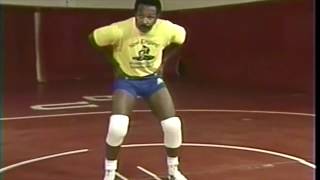
As a fighter is driven toward the cage, the bladed stance becomes increasingly restrictive due to limited backward mobility and reduced angle-cutting options. The squared stance becomes advantageous in this confined space, opening approximately 180 degrees of lateral movement for evasion and escape.
Mobility and Striking from the Squared Stance
Against the cage, the squared stance enables rapid lateral movement and quick disengagement through side-to-side footwork. While striking power decreases from this position, the primary objective shifts from knockout potential to escaping cage control and resetting position.
Defending Takedowns Against the Cage
The wide leg positioning of a squared stance provides a stronger base for sprawling and defending takedown attempts. A bladed stance leaves the trailing leg trapped and prevents adequate hip retraction, making takedown defense significantly more difficult in confined spaces.
Spatial Awareness and Peripheral Vision
Fighters must develop instinctive cage awareness without looking away from their opponent, similar to a baseball player tracking a ball overhead. Using peripheral vision and tactile feedback, athletes learn to sense cage proximity and adjust their stance accordingly in real time.
Practical Application Drill
Partners alternate as aggressor and defender, with the aggressor driving forward with strikes while the defender practices recognizing cage proximity and transitioning to a squared stance for lateral escape. Set a five-minute timer and alternate roles, focusing on timing the stance adjustment and executing explosive lateral movement.
WHEN TO STAND IN A SQUARED STANCE IN A FIGHT
Key Takeaways
- •Introduction to Rule-Breaking Stance
- •The Bladed Stance Foundation
- •Disadvantages of the Squared Stance in Open Space
- •Cage Positioning Changes Tactical Requirements
Today we talk about the benefits of squaring your stance when against the cage, to increase mobility and create a safe exit to get your back off the ropes. Grab a partner and practice this partner drill to improve your #footwork. Vince's IG►http://www.instagram.com/vincetheanomaly SUBSCRIBE TO GET MORE #FIGHTTIPS►http://bit.ly/1APnzvw FOLLOW: Facebook | http://bit.ly/fightTIPSFacebook Twitter | http://bit.ly/fightTIPSTwitter Instagram | http://bit.ly/fightTIPSInstagram
Frequently Asked Questions
What does this video teach about standard square stance?
This video covers introduction to rule-breaking stance, the bladed stance foundation, disadvantages of the squared stance in open space. It provides detailed instruction from fightTIPS.
How long does it take to learn standard square stance?
The basic mechanics can be understood in a single session, but developing reliable execution requires consistent drilling over weeks of practice. This 8-part breakdown helps structure your training by isolating each phase of the technique.
What are the key details for finishing standard square stance?
Fighters must develop instinctive cage awareness without looking away from their opponent, similar to a baseball player tracking a ball overhead. Using peripheral vision and tactile feedback, athletes learn to sense cage proximity and adjust their stance accordingly in real time.