High Mount Position Advantages
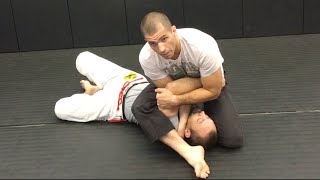
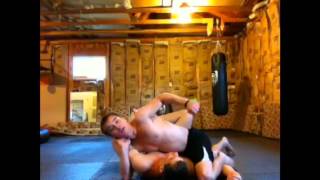
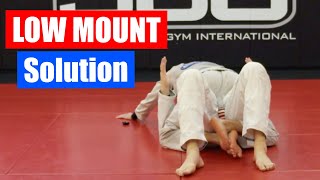
The high mount differs from standard mount by restricting the bottom player's hip mobility and reducing the effectiveness of hip bumps. The top player's elevated position naturally constrains the bottom player's arm movement into a disadvantaged configuration, creating a dangerous position for strikes and ground-and-pound. This elevation also minimizes the bottom player's ability to create defensive frames.
Escape Method 1: Return to Standard Mount
The first escape involves crossing the arms across the neck for protection while posting the elbows on the opponent's hips to create frames. The bottom player walks their hips upward incrementally, pushing the top player's weight distribution away from the chest toward the hips. Once sufficient space is created, the bottom player can transition to standard mount position, then shrimp sideways while isolating one of the opponent's legs.
Executing the Hip Walk Transition
Using the feet and shoulders to drive upward, the bottom player systematically walks their hips into the top player while maintaining elbow frames on the opponent's hips. This progressive movement gradually forces the top player back to a lower mount position where standard escape techniques become viable. Once repositioned, the bottom player immediately posts on one hip and initiates a shrimp movement to one side.
Escape Method 2: Preventive Hip Bump
When the top player begins transitioning into high mount from a lower position, the bottom player can execute a hip bump while simultaneously pushing the opponent's hips upward. The bottom player coordinates this bump with knee drives toward the chest, similar to the motion of removing pants, to establish butterfly hooks. This creates immediate leverage to extend the legs and create space for escape.
Butterfly Hook Leverage and Extension
Once butterfly hooks are secured during the hip bump escape, the bottom player can sit upward and extend both legs, using the opponent's arms or back as anchor points. If both legs are unable to secure, even partial hook placement on one side provides leverage to work the opponent's hips backward and create shrimping space. Leg positioning enables the bottom player to frame on the opponent's head or control the torso while escaping.
Movement Principles During High Mount
The bottom player should prioritize continuous movement to disrupt the top player's ability to execute ground strikes or submissions. Active movement of the body away from center prevents the top player from establishing the positional control needed to implement offense. Even minor adjustments in positioning create cumulative defensive opportunities for the bottom player to progress toward escape.
3 Ways To Escape High Mount
Key Takeaways
- •High Mount Position Advantages
- •Escape Method 1: Return to Standard Mount
- •Executing the Hip Walk Transition
- •Escape Method 2: Preventive Hip Bump
3 ways to escape a high mount for jiu jitsu, mma, and self defense. Check out Combat Corner for all of your fighting gear needs! www.combatcorner.com #staysafemartialarts #mma #bjj #bjjtraining
Related Techniques
Frequently Asked Questions
What does this video teach about high mount?
This video covers high mount position advantages, escape method 1: return to standard mount, executing the hip walk transition. It provides detailed instruction from Stay Safe Martial Arts.
How long does it take to learn high mount?
The basic mechanics can be understood in a single session, but developing reliable execution requires consistent drilling over weeks of practice. This 6-part breakdown helps structure your training by isolating each phase of the technique.
What are the key details for finishing high mount?
Once butterfly hooks are secured during the hip bump escape, the bottom player can sit upward and extend both legs, using the opponent's arms or back as anchor points. If both legs are unable to secure, even partial hook placement on one side provides leverage to work the opponent's hips backward and create shrimping space. Leg positioning enables the bottom player to frame on the opponent's head or control the torso while escaping.